











01
World Tobacco Development Report 2023①
2024-07-04
Development Environment
●World economic recovery
In 2023, the World Health Organization announced that the COVID-19 epidemic no longer constitutes a "public health emergency of international concern." The world has finally emerged from the haze of the COVID-19 epidemic, the economy has entered the process of recovery, and technological innovation and applications such as artificial intelligence have advanced by leaps and bounds. However, the international situation continues to be turbulent, trade protectionism prevails, the inflation situation remains severe, and the epidemic's continued negative impact on the production and supply chain has seriously hindered the pace of economic recovery. World economic growth remains slow and uneven.
● Tobacco use continues to decline
The World Health Organization's "Global Tobacco Use Trends Report 2000-2030" shows that in 2022, about one-fifth of the world's adults will use tobacco, a significant decrease from one-third in 2000. There are 1.25 billion tobacco users in the world, including more than 1 billion men and more than 200 million women. The global tobacco use rate is 20.9%, with male tobacco use rates at 34.4% and female tobacco use rates at 7.4%. Southeast Asia has the highest tobacco use rate at 26.5%. Europe follows closely behind at 25.3%, where female tobacco use is more than double the global average.150 countries have successfully reduced tobacco use rates, with some countries seeing little change in tobacco use rates since 2010, and six countries including Congo, Egypt, Indonesia, Jordan, Oman and Moldova showing an upward trend in tobacco use rates.
● Unbalanced supervision of e-cigarettes
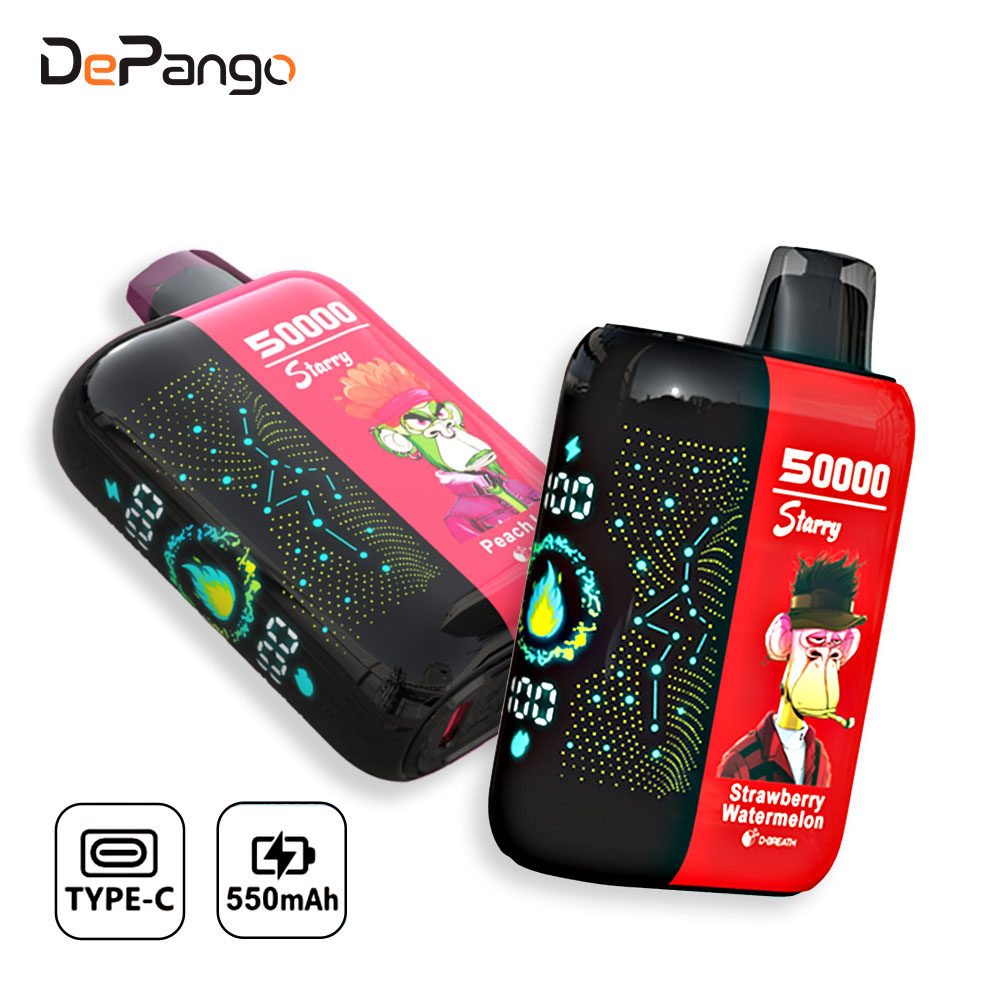
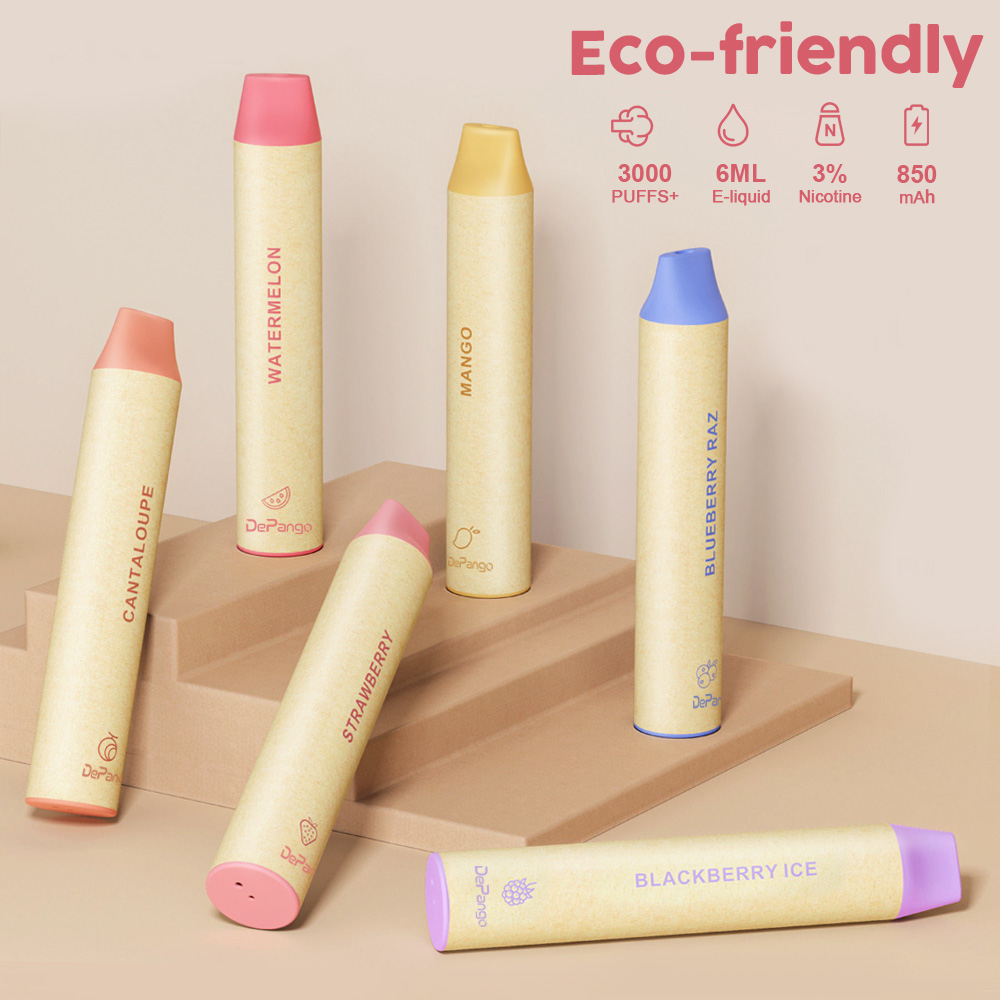
As new tobacco products such as e-cigarettescontinue to innovate and become popular rapidly, their social impact and controversy are also growing, and calls for regulation are getting louder.The seventh Conference of the Parties to the Framework Convention on Tobacco Control in 2016 urged Parties to consider applying regulatory measures to ban or restrict the manufacture, import, distribution, display, sale and use of E-Cigarettes in accordance with the Parties’ national laws and public health objectives. . According to the World Health Organization’s “Global Tobacco Epidemic Report 2023: Protecting People from Tobacco Smoke,” sponsored by Bloomberg Philanthropies, a total of 121 countries regulate e-cigarettes in some way, including 34 The sale of e-cigarettes is prohibited, covering a population of 2.5 billion; 87 countries have adopted one or more legislative measures to control e-cigarettes, covering a population of 3.3 billion. The current control plans adopted by these 87 countries vary, and none of them has yet A global approach to regulating e-cigarettes. Currently, there are still 74 countries (7 fewer than in 2020) that have not enacted bans or regulations on e-cigarettes, covering a population of more than 2 billion.


01