


What's in Your Vape Juice? Breaking Down E-Liquid Ingredients
What's actually in Vape juice?
Most e-liquids rely on a handful of core ingredients that define your vaping experience – from flavor and throat feel to its effects. In this section, we'll break down these essential e-liquid components.
Vegetable Glycerin (VG)
Vegetable Glycerin (VG) is a naturally derived compound sourced from vegetable oils such as palm, soy, or coconut. As a fundamental component of e-liquids, this clear, odorless liquid has a viscous texture that contributes to a smoother inhale. VG is responsible for producing the dense, voluminous clouds favored by many vapers. It offers a subtle sweetness and delivers a less pronounced throat hit compared to other bases.
Due to its thicker consistency, VG can lead to faster coil buildup, particularly in devices not optimized for high-VG blends. Being hypoallergenic, VG is extensively used in food products, pharmaceuticals, and cosmetics. It's also a less effective flavor carrier than Propylene Glycol, meaning e-liquids with higher VG content often have more muted flavor profiles.
Propylene Glycol (PG)
Propylene Glycol (PG) forms the foundation of many e-liquids. This thin, transparent liquid excels at carrying and intensifying flavors while delivering a significantly stronger throat sensation than other bases. Similar to VG, PG is generally recognized as safe (GRAS) and is widely employed in food products, cosmetics, and pharmaceuticals.
Primarily acting as a flavor carrier, PG also vaporizes efficiently and performs reliably across nearly all vaping devices. A small subset of vapers may experience sensitivity to PG, potentially resulting in dry mouth, throat discomfort, or minor allergic reactions, though this is uncommon. Additionally, PG produces substantially less visible vapor than VG, making it the preferred base for those seeking a more discreet vaping experience.
Nicotine
Nicotine, the stimulant responsible for vaping's addictive quality, is extracted from tobacco and blended into e-liquids at customizable concentrations. Available primarily as freebase or salt-based formulations, these variants differ significantly: freebase nicotine may intensify throat harshness at higher levels, while nicotine salts deliver a notably smoother experience even with elevated nicotine content. This compound provides the characteristic 'buzz' or relaxation effect sought by former smokers transitioning to vaping.
Given nicotine's inherent addictiveness, mindful consumption is essential to prevent overexposure. Excessive intake may trigger dizziness, nausea, or accelerated heart rate. For flavor-focused vapers, nicotine-free e-liquid options provide the sensory experience without physiological effects.
Flavorings
Flavor compounds transform vaping into a sensory experience. These range from straightforward fruit and menthol profiles to complex dessert, beverage, and candy-inspired creations. Crucially, vape flavorings must meet dual standards: food-grade safety and inhalation suitability.
Not all formulations satisfy these requirements, as certain ingredients may degrade when heated, potentially releasing harmful compounds. Prioritize brands that transparently disclose ingredients and conduct rigorous safety testing. Additionally, flavor concentration and composition directly influence coil longevity and overall throat sensation.
Sweeteners
Sweetening agents refine and harmonize flavor profiles in e-liquids, predominantly enhancing dessert-inspired and fruit-forward blends. While numerous sweeteners exist in vaping formulations, sucralose, ethyl maltol, and stevia dominate the market. These additives require meticulous dosing – typically at trace concentrations – to complement primary flavors without overpowering them.
Crucially, sweeteners undergo thermal degradation when vaporized. This process generates caramelized residues that adhere to coil surfaces ("coil gunk"), progressively diminishing vapor quality and accelerating atomizer wear. Proper sweetener management is essential for sustained device performance.
Cooling Agents
Cooling additives replicate the physiological chill of menthol without its characteristic mint profile. WS-23 and WS-3 stand as the industry's predominant agents, particularly favored in fruit and beverage-inspired e-liquids where they deliver a refreshing finish. Unlike menthol, these compounds lack distinct flavor - their function centers exclusively on activating cold-sensitive receptors in the throat and nasal passages.
While generally recognized as safe in current applications, excessive concentrations may induce temporary numbness or localized irritation. Comprehensive long-term inhalation studies remain ongoing, warranting moderated usage pending further research conclusions.
Acids & pH Modulators
Acidic compounds and pH regulators serve critical formulation functions in e-liquids – extending shelf stability, preserving nicotine integrity, and optimizing bioavailability during inhalation. Benzoic acid exemplifies this category, essential in nicotine salt formulations for enabling higher concentrations while reducing throat harshness. Citric acid may also be incorporated to maintain flavor fidelity.
Though typically incorporated in minute quantities (often <1%), these components profoundly influence overall sensory performance. Imbalanced acid concentrations can significantly alter throat impact perception or distort intended flavor profiles, necessitating precise formulation control.
Selecting Premium Vape Liquids
E-liquid quality varies significantly across brands. Discerning consumers should evaluate these key indicators beyond packaging to ensure both safety and satisfaction:
● Verify Third-Party Lab Certification
Prioritize brands providing ISO-certified lab reports for purity and contaminants. Transparency in testing correlates directly with product integrity.
● Scrutinize Ingredient Disclosure
Reputable manufacturers list all components explicitly. Avoid products with vague terms like "proprietary blends" or undisclosed formulations.
● Confirm Inhalation-Grade Flavorings
Food-safe ≠ inhalation-safe. Source only from suppliers specializing in vapor flavorants, rejecting oil-based or non-vapable additives.
● Screen for Sensitivities
Those with PG allergies should opt for PG-free or high-VG alternatives. Always cross-reference ingredients against known triggers.
● Validate Regulatory Compliance
Ensure products meet regional mandates including age verification, child-resistant packaging, and ingredient labeling protocols.
● Analyze Authentic User Feedback
Cross-examine multiple platforms for consistency reports, throat hit performance, and device compatibility from verified purchasers.
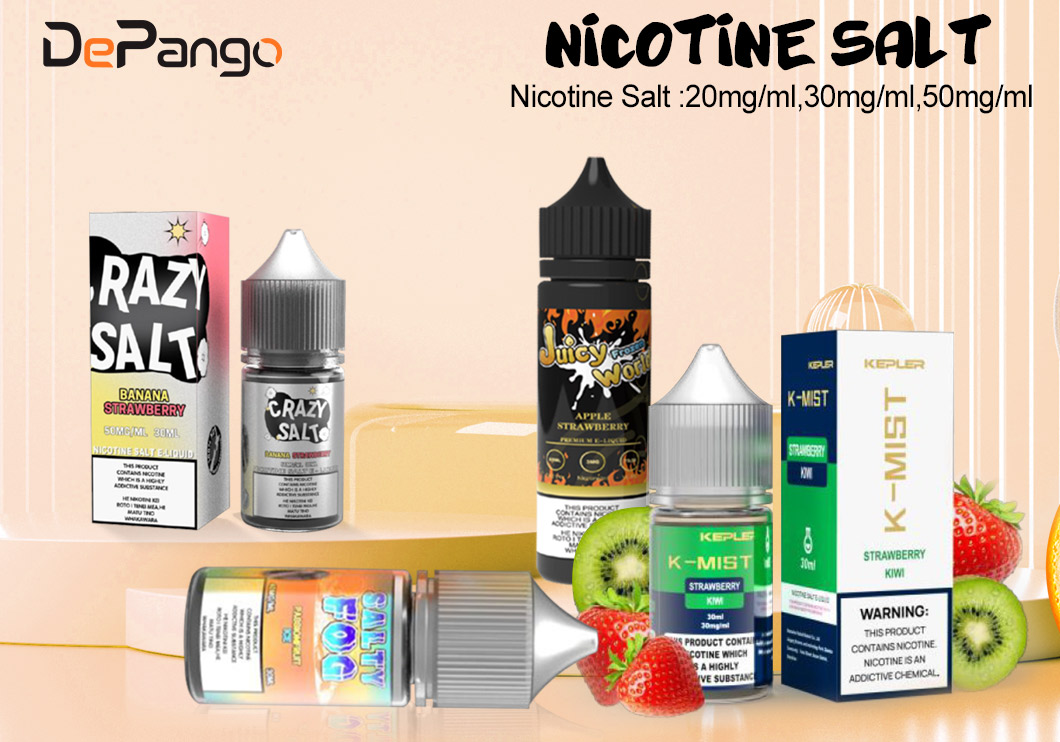
Discover premium vape juice at Depangovape
For premium vape juice sourced from GMP-certified facilities with batch-specific lab reports and full ingredient disclosure, explore Depangovape's curated selection. Experience artisan-crafted profiles ranging from decadent dessert clouds and cryo-extracted fruit infusions to aged tobacco essences—engineered for flavor fidelity and coil compatibility. Our quality-first commitment ensures every product meets rigorous safety standards, trusted by 92,000+ cloud enthusiasts globally.