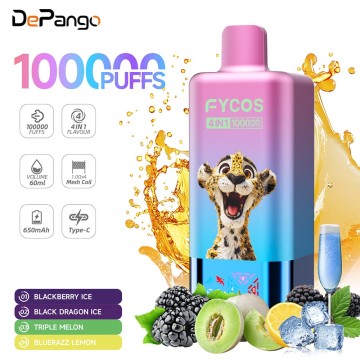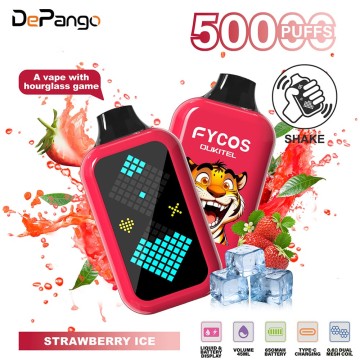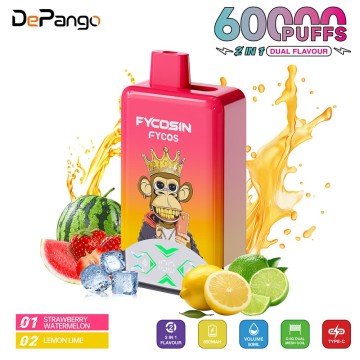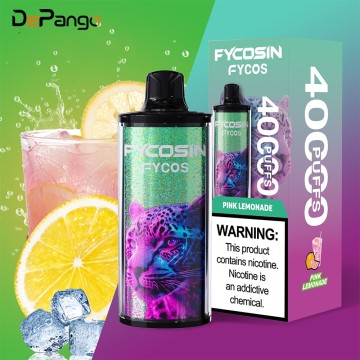











Viewpoint: WHO's Mistake on Vape Flavors – Harm Reduction Needs Rational Regulation
At every stage, new opinions emerge demonizing brands for developing flavored products, often claiming they're marketed to minors—based on the notion of a “hidden agenda.” Let's be clear: these products are created exclusively for adult consumers.
In 2025, the World Health Organization (WHO) is using World No Tobacco Day to promote its familiar “anti-flavor”agenda on nicotine products. This comes as no surprise, with claims that flavors are part of an industry ploy to attract children. The slogan—Bright Product. Dark Intentions. Unmasking the Appeal—is both misleading and harmful. This begs the question: what is the ultimate goal here?

Those pushing this rhetoric seem to overlook that regulatory bodies have implemented strict guidelines to debunk this mythical “hidden agenda.” As compliant and responsible brands, we navigate strict standards daily. Transparency is embedded in every industry layer—from marketing communications across earned, paid, and owned channels to prominent warning labels and full ingredient disclosure. The real concern is the unchecked surge of illicit products flooding the market. Like alcohol, flavors are not a tool to target youth. The logical solution is to adopt uniform age verification measures—at both federal and state levels—to prevent underage access.
WHO's Anti-Vape Push Dismisses Scientific Evidence
Like many one-sided anti-tobacco groups, WHO adopts a sweeping stance against all flavored nicotine products, disregarding clear distinctions between those developed as adult harm-reduction alternatives and others. The reality is that flavored alternatives have been pivotal in advancing harm reduction, aiding millions of smokers in transitioning away from deadly combustible cigarettes.
Earlier this year, the U.S. Food and Drug Administration (FDA) took a significant step by authorizing certain nicotine products as risk-reduced alternatives under its harm-reduction strategy, finally aligning with scientific evidence long recognized by experts. Yet the relentless push for flavor bans contradicts this progressive approach.
The True Challenge: Underage Access, Not Flavors
It's worth emphasizing: Flavors aren't designed for children—they're crafted for adults seeking alternatives to smoking. Recent news cycles have highlighted marginal increases in underage usage, an issue we all recognize as problematic. But let's be clear: minors don't gain access to these products because of flavor names like peach or watermelon. They gain access because standardized age-verification policies—common in other industries and product categories—are lacking. As a result, the default response becomes a ban.
Here's the solution:
- Implement robust, standardized age verification for all nicotine product sales.
- Prohibit proxy sales to minors.
- Enforce strict penalties for non-compliant retailers.
Prohibitions Harm Public Health—and Fuel Illicit Markets
Flavor restrictions fail to protect youth—they merely drive demand into the underground market. At the same time, they deprive adults of their right to choose harm-reducing alternatives and jeopardize legitimate businesses.
Limiting the appeal of lower-risk products won't prevent young people from trying nicotine—it will only make it harder for adults to quit smoking and push both groups toward more dangerous behaviors.
Against WHO's Misguided View: States Must Drive Change.
WHO's 2025 campaign has misidentified its target, with rhetoric that undermines years of research and stokes unfounded fear. Rather than demonizing flavors, the focus should shift to advocating for smarter, stricter regulations that prevent underage access—not banning products proven to help adults quit smoking.
Public health progress isn't driven by moral panic. It's fueled by evidence-based policies that deliver results.