


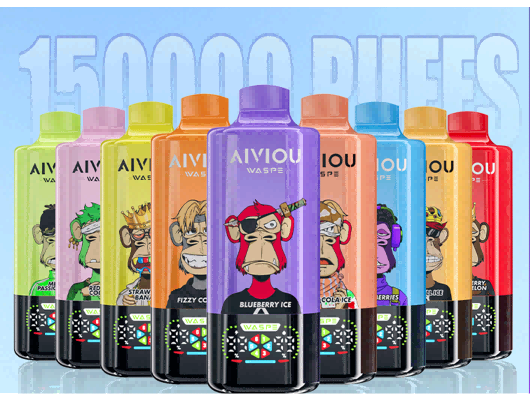
The Safety Basics of E - Liquids and Why They Matter
Understanding the Flavor Factor
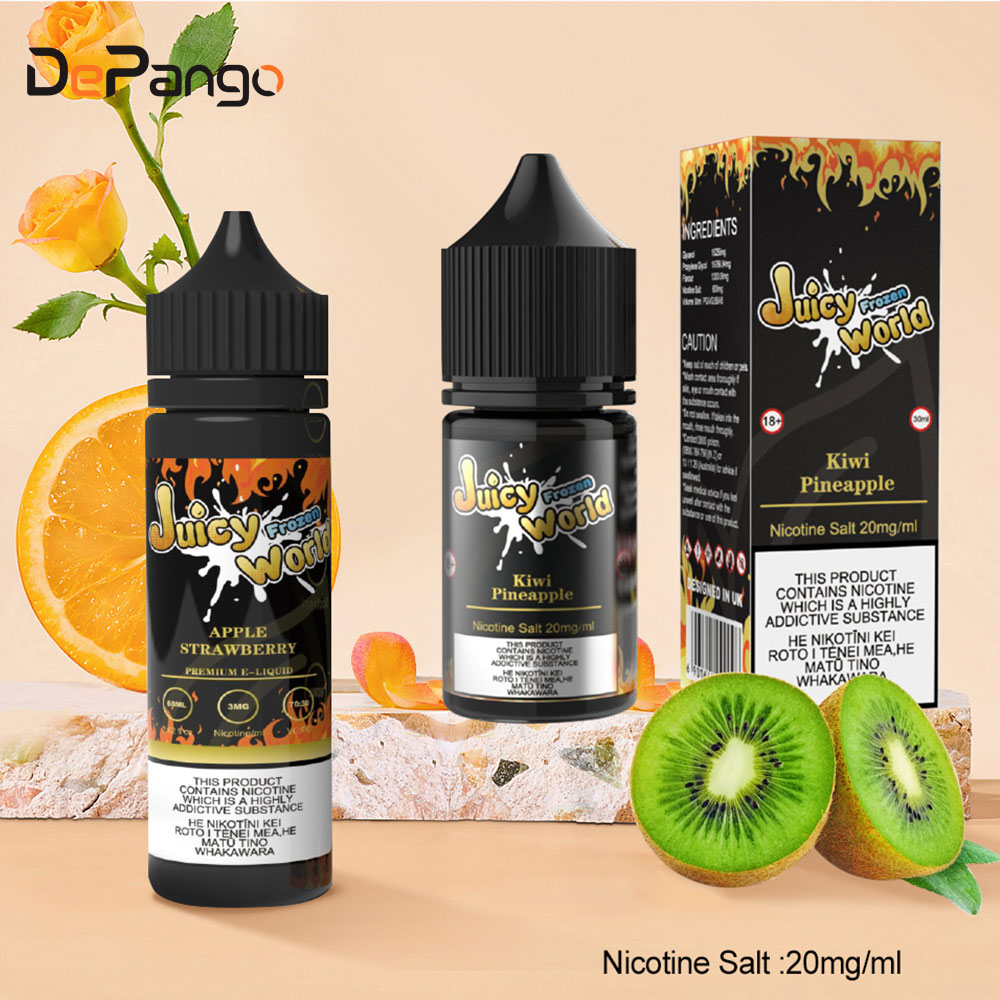
When it comes to e - liquids, the flavor component is a double - edged sword. While the manufacturing of e - liquids is generally well - regulated globally, flavors bring an element of uncertainty. Food - grade flavors, commonly used in the food industry, take on a different role when inhaled during Vaping. Our airways lack the same natural protective mechanisms as the digestive tract, which raises concerns about their long - term effects.
When flavors are heated in an e - cigarette, they can produce aldehydes through thermal degradation. Although the levels of aldehydes in e - cigarette vapor are typically below workplace exposure standards and far lower than in tobacco smoke, it's still a factor to consider. For instance, studies like those by Maciej Goniewicz from the Roswell Park Cancer Institute in Buffalo, USA, have pointed out that certain flavors can contribute to aldehyde production. Strawberry flavors, for example, may be a source of benzaldehyde in e - liquid and its vapor. Gourmet e - liquids often use diacetyl to achieve a buttery taste, and if exposure levels are high enough over time, it can be potentially harmful.
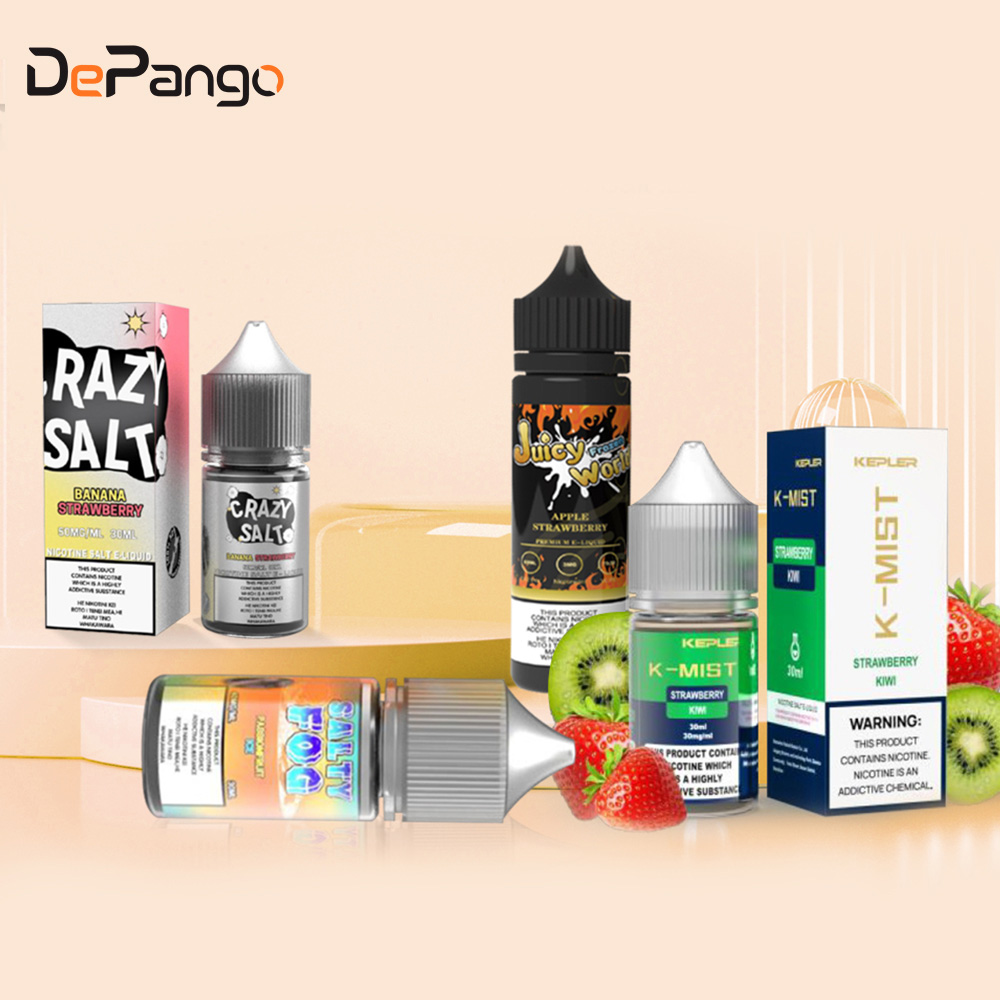
The Maillard Reaction Unveiled
To truly understand the risks associated with e - liquid flavors, we need to look at the Maillard reaction. This reaction occurs between amino acids and sugars in e - liquids (similar to in foods) when heated to a certain temperature range (0 - 150°C). It results in complex chemical processes that can lead to the formation of aldehydes or furans.
Vapers are likely familiar with the Maillard reaction in a more visible way. When a resistance coil gets clogged, that's a sign of this reaction at work. The term “gunk coil” in the vaping community refers to a coil that has become caramelized due to the Maillard reaction. Flavors like very sweet, gourmet, or tobacco - imitating ones are known to cause this problem more quickly. Additives or flavor enhancers such as sucralose, ethyl - maltol, vanillin, monosodium glutamate, and malic acid, which may be present in some manufactured e - liquids or used in DIY e - liquid recipes, can exacerbate this reaction, making the e - liquid composition more complex and potentially riskier.
General Safety Precautions for Vaping
Beyond the e - liquid itself, there are some general safety rules for vaping. First and foremost, never vape when your e - cigarette has a defective e - liquid supply. A “dry hit” can not only produce an unpleasant taste but may also increase the risk of inhaling harmful substances. If you have a configurable device (Mod), always follow the manufacturer's specified settings and adjust the resistance value (ohm) accordingly.
Another important aspect is nicotine content. It's better to increase the nicotine level slightly to vape less frequently rather than reducing it and having to consume more e - liquid to satisfy your cravings. Alternating between tobacco cigarettes and e - cigarettes doesn't offer significant health benefits; it's best to fully commit to vaping or, even better, quit both smoking and vaping. Additionally, if you engage in direct - to - lung (DTL) inhalation or cloud chasing, which involve high e - liquid consumption, be cautious as you may be exposing yourself to more potential risks.