


Research Shows E-cigarettes and NRT Support Smoking Cessation
A groundbreaking clinical trial conducted by Australia's Flinders University has demonstrated the transformative potential of combining flexible nicotine replacement therapies with behavioral interventions to combat smoking relapse among high-risk populations exiting addiction rehabilitation. Published in The Lancet Public Health, the study enrolled 368 adults completing inpatient detox programs, all of whom had histories of heavy smoking and multiple quit attempts. Participants were randomly assigned to receive either 12-week supplies of modern e-cigarettes or conventional nicotine replacement therapies (patches, gum, lozenges), complemented by proactive quit counseling through Quitline services.

Remarkably, after nine months of rigorous monitoring, both groups achieved identical success rates: 10% sustained complete smoking abstinence. This figure represents a fivefold increase over typical quit rates (1-2%) observed in similar rehabilitation cohorts without structured support. Professor Billie Bonevski, the study's lead investigator, emphasized that the equivalence in outcomes between vaping and traditional NRT groups underscores a critical paradigm shift—the availability and diversity of cessation tools, coupled with ongoing psychological support, are far more consequential than the specific nicotine delivery mechanism.
The research further exposed systemic gaps in addiction treatment protocols. Despite 85% of rehab patients being daily smokers, fewer than 30% received evidence-based smoking interventions during recovery. Bonevski urged healthcare systems to embed comprehensive tobacco cessation programs within addiction rehabilitation frameworks, noting that concurrent behavioral counseling empowered participants to navigate triggers and social stressors post-discharge. Policy implications are profound: regulators must ensure equitable access to all WHO-recommended cessation aids—including regulated vapes—for marginalized populations. This holistic approach could prevent 480,000 annual global deaths linked to smoking-relapsed addiction patients, turning rehabilitation centers into dual-dependency treatment hubs.
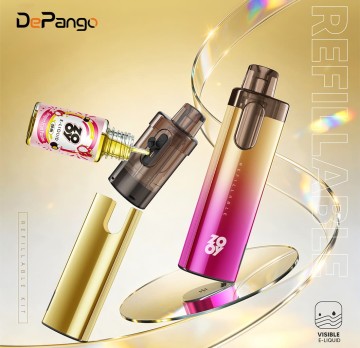
ZOOY Refillable Pod Empty Rechargeable Disposable Vape
Unlock the ideal synergy of convenience, performance, and flavor rich output with the ZOOY Refillable Pod Cartridge. Built for users seeking extended durability and peak performance from their Vaping devices, this refillable system delivers a premium user experience. Whether you are relaxing at home or traveling, the ZOOY 10ml capacity guarantees your go-to e-liquids are always loaded and ready to enjoy.