





Research: Almost a Quarter of Irish Youth Use E-cigarettes
Ireland's Central Statistics Office (CSO) has unveiled a concerning public health landscape through its 2024 National Health Survey, revealing that nearly a quarter (24%) of adults aged 18-34 now regularly use Vaping devices—with 13.6% consuming daily and 10% intermittently—establishing this demographic as the nation's predominante-cigarette cohort.

Beneath the surface lies a complex crisis. Data from over 5,100 adults indicates vaping has permeated mainstream society, with 7.1% of all adults using e-cigarettes daily, rivaling the 10% daily tobacco smoking rate. Notably, traditional cigarette use peaks at 13.3% among 45–54-year-olds, suggesting shifting health risks toward middle-aged populations. More alarmingly, a generational schism in substance use emerges: cannabis consumption within the past year surged to 22% among 18–24-year-olds—nearly triple the national average (8%)—signaling younger generations' growing openness to psychoactive substances.
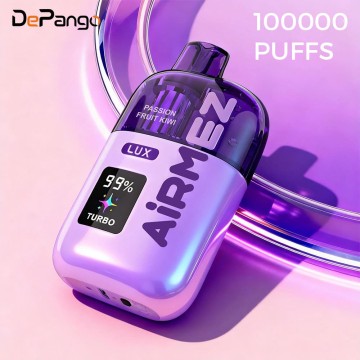
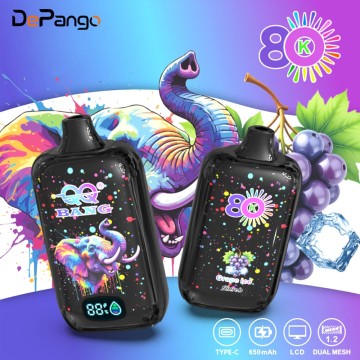
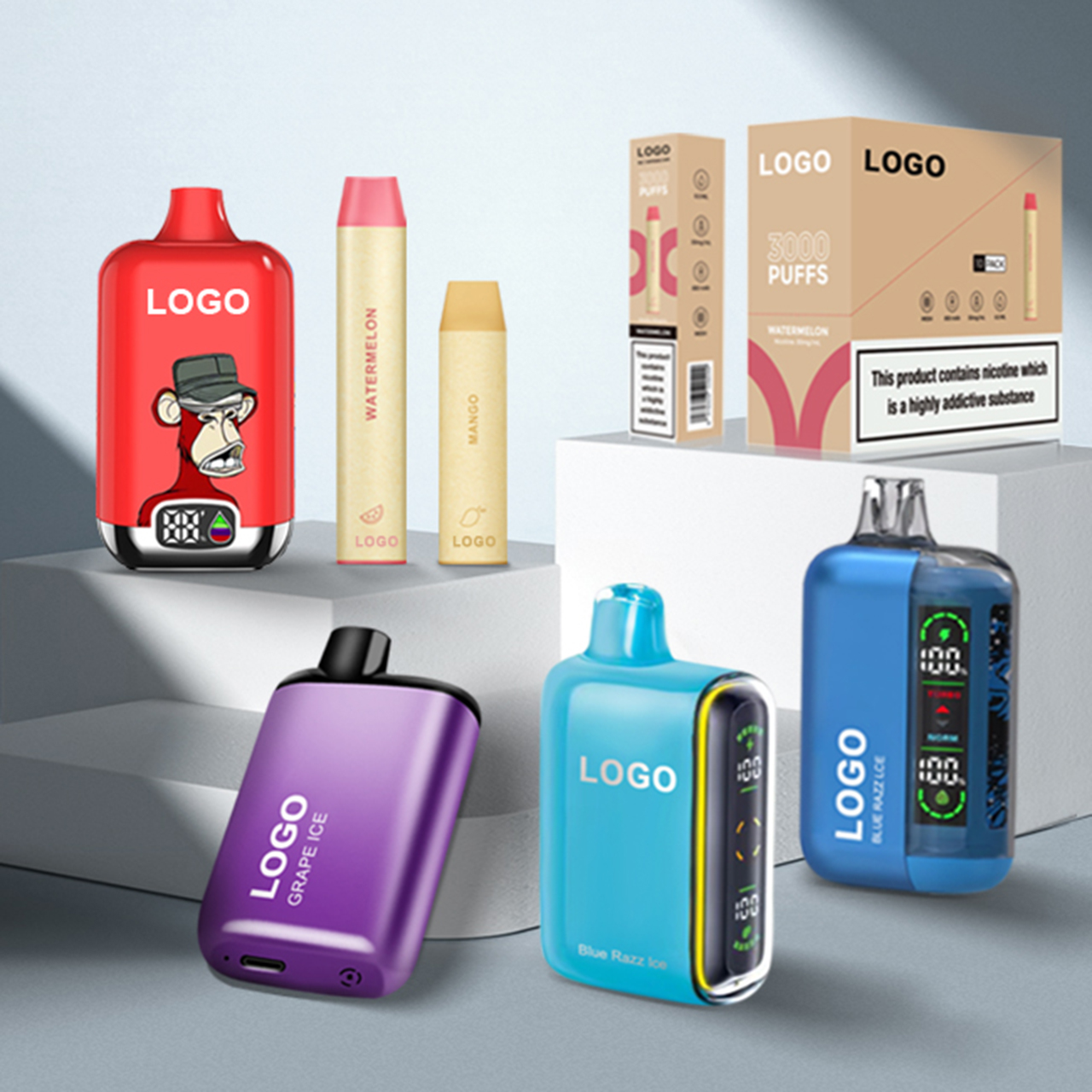
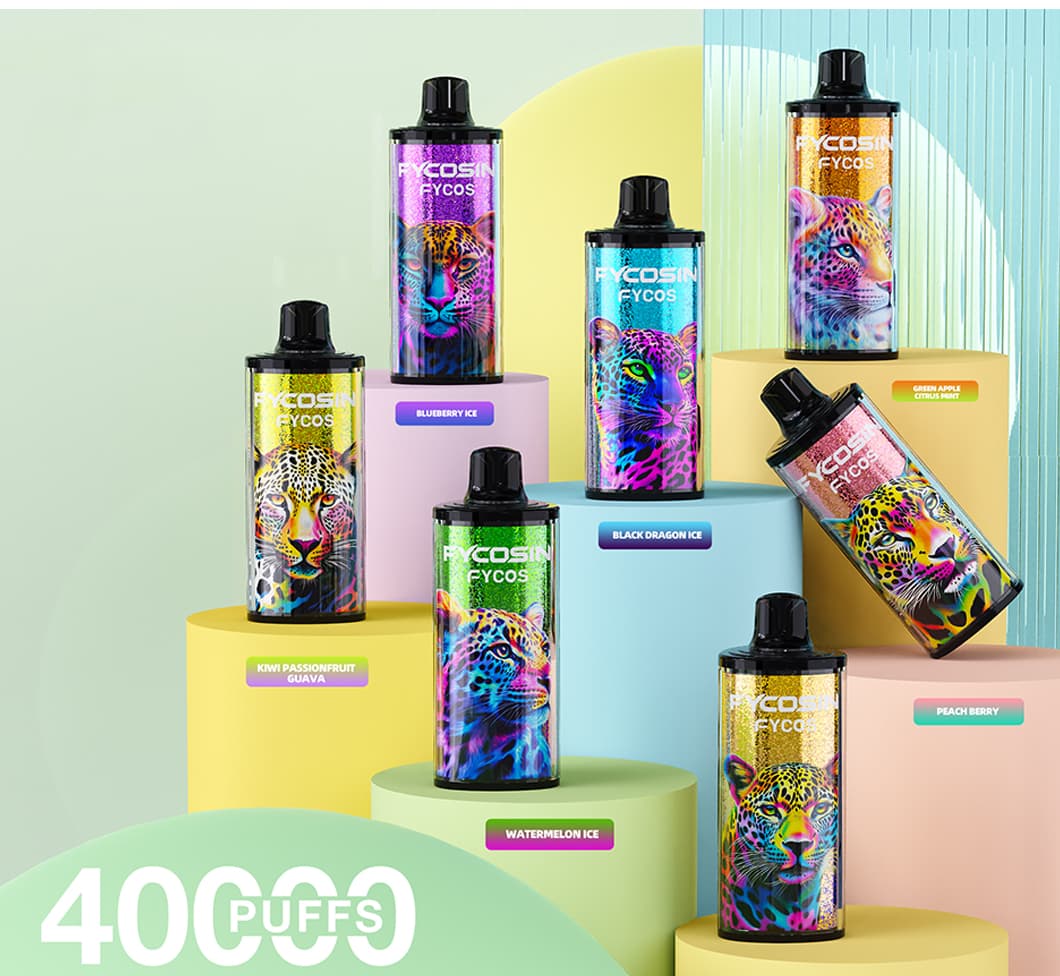
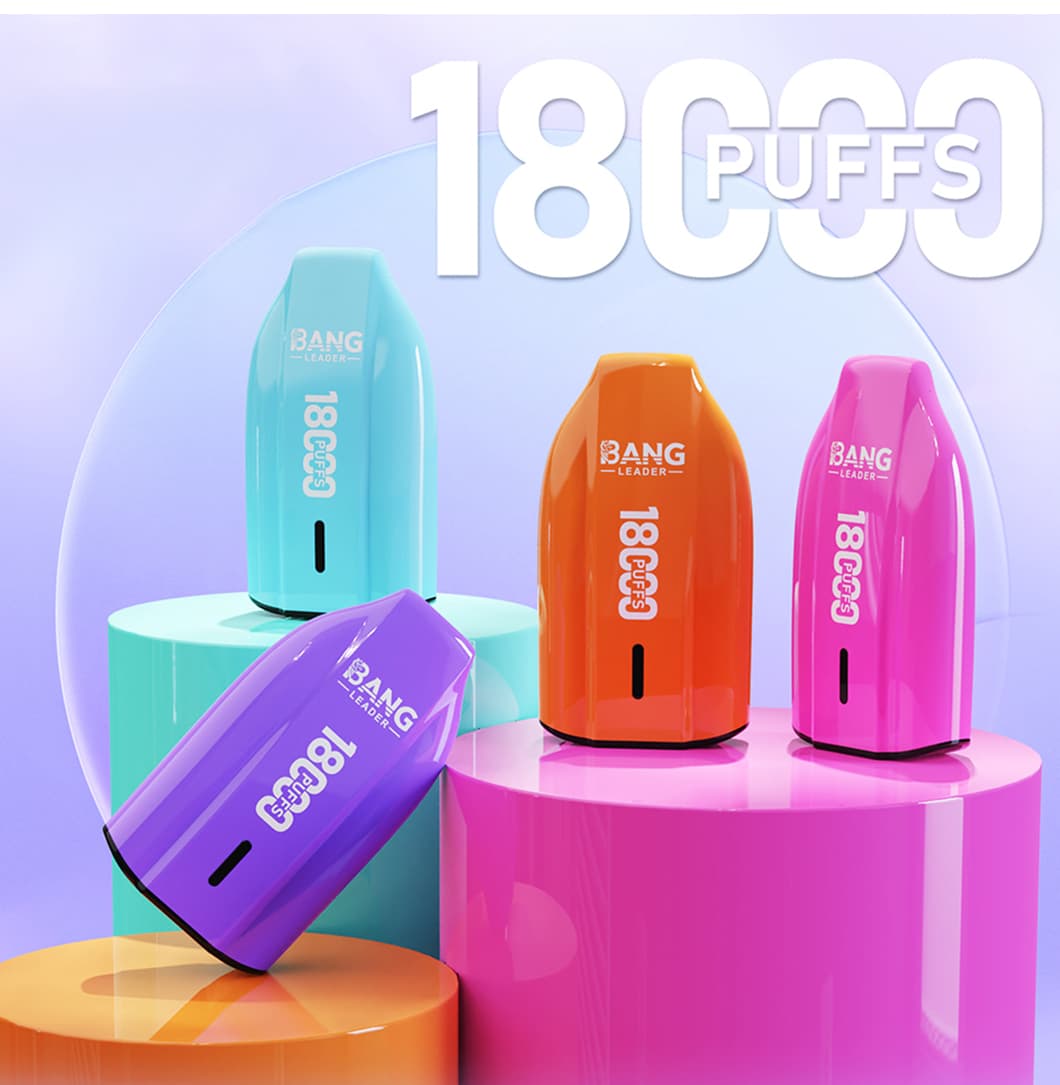
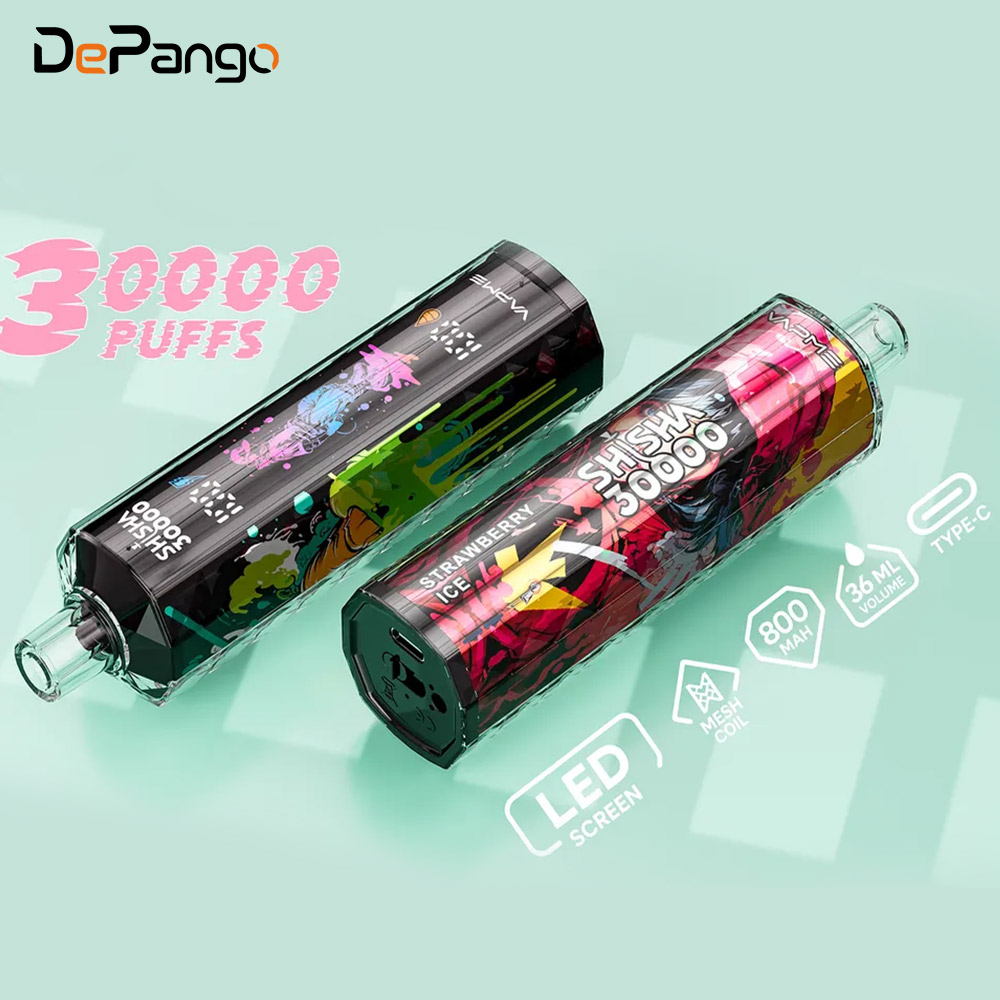
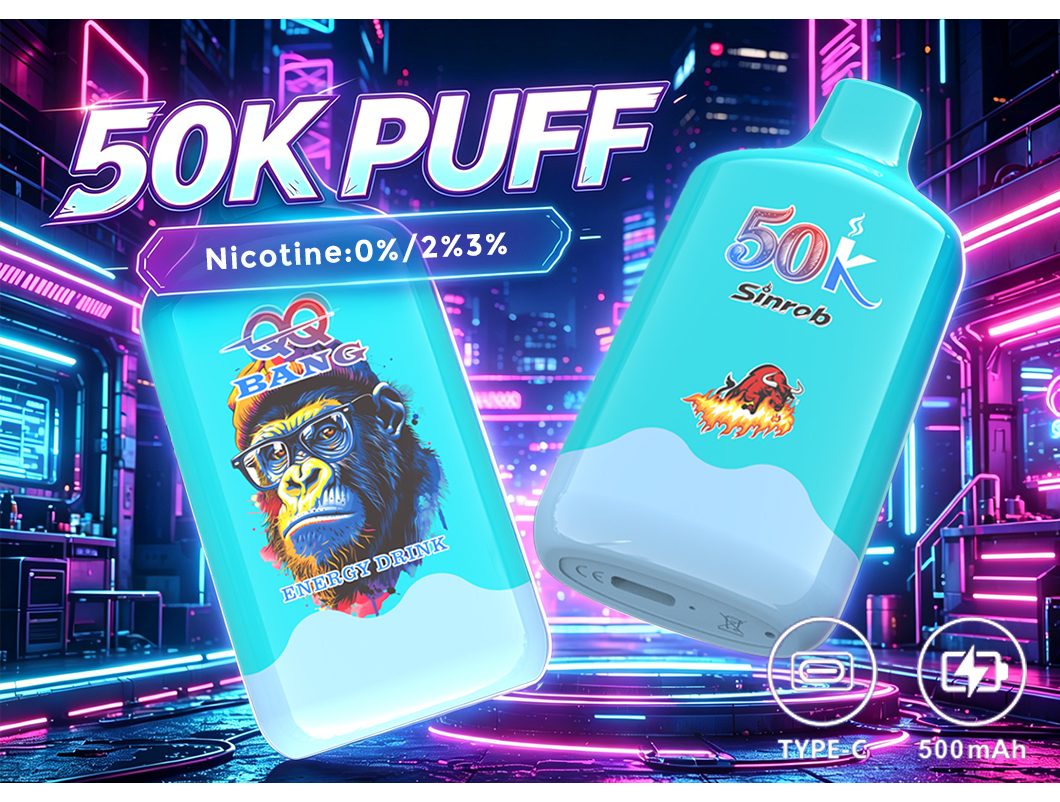
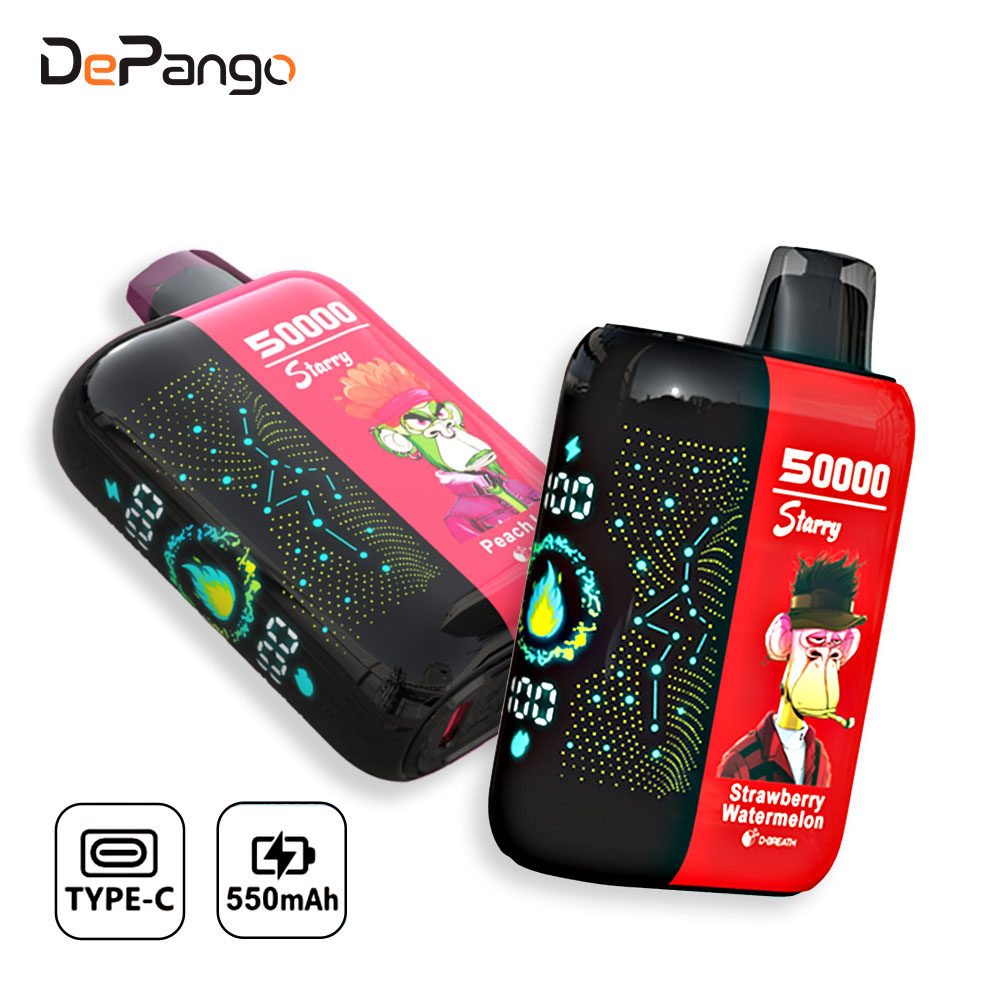
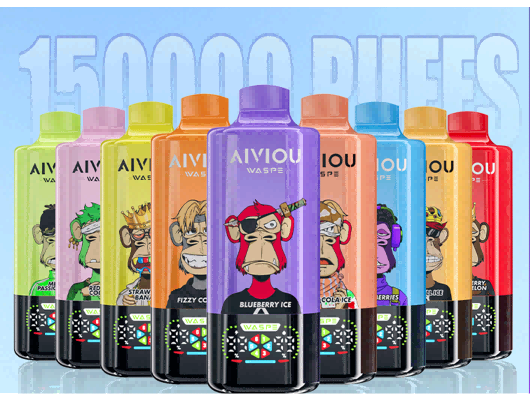
Professor Eileen O'Connor, a public health specialist at University College Dublin, warns: "The flood of disposable vapes and social media marketing are reshaping youth consumption patterns." Candy-colored devices lining convenience store shelves and influencer promotions have drastically lowered access barriers. The report corroborates this trend—76% of under-35 users prefer fruit or dessert flavors, with only 9% claiming cessation purposes.
The study also exposes critical health literacy gaps: while 82% of smokers acknowledge tobacco's dangers, fewer than half of young adults express concern about vaping risks. This disconnect carries policy implications. Despite Ireland's ban on e-cigarette sales to minors, regulatory loopholes near schools fuel rising underage access. Internal Health Department documents reveal €1.2 million worth of illegally imported vape liquids seized this year, 63% containing unapproved additives or excessive nicotine.
Sociologist Patrick Flynn cautioned in The Irish Times: "Vape culture, disguised as harmless trendsetting, is cultivating a new generation of nicotine dependents." This dependency is materializing into healthcare burdens—GP clinic data shows persistent cough consultations among under-35s have jumped 47% over five years, with pulmonologists attributing it to propylene glycol and flavor additives in e-liquids.
Confronting this polysubstance crisis, the Health Service Executive (HSE) will launch the "Clear Generation" initiative this autumn, targeting vape sales near schools and introducing teen behavioral therapy programs. Yet experts contend that without legislative action against social media marketing, this public health campaign faces an uphill battle. Medical Council of Ireland recently passed a resolution urging taxation on disposable vapes and plain packaging regulations, citing Australia's 40% youth usage drop after similar measures.