




Innovative Tech for Nicotine Pouches Could Enhance Oral Health Outcomes
A groundbreaking study published in Acta Odontologica Scandinavica has unveiled significant breakthroughs in oral health for nicotine pouch users, demonstrating that adopting a novel gum-protective technology can effectively reverse damage caused by traditional snus and nicotine pouches. Led by an international coalition of researchers from top universities and dental clinics across Sweden, Poland, Indonesia, Moldova, and the UK—and supported by the renowned Center of Excellence for the Acceleration of Harm Reduction (CoEHAR) in Catania—this pilot study represents a pivotal step forward in understanding how technological innovation can mitigate harm in nicotine product use.

Research, design and technological innovation
The five-week observational trial recruited twenty-three Swedish dentists who were long-term users of snus or nicotine pouches, a demographic chosen for their professional familiarity with oral health metrics. Participants were instructed to exclusively use a cutting-edge nicotine pouch embedded with a plant-based inner barrier—a proprietary design engineered to create a physical buffer between the pouch's nicotine-containing contents and the oral mucosa. This innovative feature aims to reduce direct exposure to irritants, thereby minimizing inflammation and tissue damage commonly associated with traditional oral nicotine products.
To ensure rigorous evaluation, the study employed a dual methodology: self-reported assessments of oral discomfort (e.g., irritation, swelling) and high-resolution photographic documentation of gum and mucosal conditions. Baseline measurements were taken at the study's onset, with follow-up evaluations conducted weekly to track incremental changes.
Key Research Findings
The results were statistically striking:
● Lesion Prevalence & Severity: The incidence of self-reported snus-related oral lesions plummeted from 95.7% at baseline to 69.6% by week five, reflecting a near-26% reduction in affected participants. Additionally, the average severity of these lesions dropped by 52%, with 39% of moderate-to-severe cases (defined by visible ulceration or persistent inflammation) completely resolving.
● Gingival Health: Self-reported gingivitis cases were eradicated entirely, while gingival irritation—a common complaint among snus users—decreased by a remarkable 90%. Photographic evidence corroborated these improvements, showing visibly healthier gum tissue with reduced redness and swelling.
Industry Impact and Expert Insight
“This study shatters the myth that all oral nicotine products are equally harmful,” emphasized Prof. Riccardo Polosa, CoEHAR's founder and a leading authority on tobacco harm reduction. “By integrating bio-compatible materials like plant-based barriers, we're not just reducing risk—we're actively promoting oral healing. For millions of adults who prefer smokeless nicotine, this technology could be a game-changer.”
He added, “Traditional harm reduction narratives often focus on long-term health outcomes, but this research highlights an immediate benefit: tangible improvements in oral wellness within weeks. For healthcare professionals and consumers alike, this provides actionable evidence to support informed choices about nicotine product use.”
Future Perspectives and Public Health Implications
The findings underscore the critical role of product innovation in advancing tobacco harm reduction strategies. Unlike combustible cigarettes, which deliver irreversible damage, the new technology demonstrates that engineered nicotine pouches can act as both a safer alternative to smoking and a tool for restoring oral health. This is particularly significant for markets where snus and nicotine pouches are popular, such as Scandinavia and emerging regions embracing smokeless alternatives.
As the industry continues to evolve, studies like this pave the way for a new generation of nicotine products that prioritize both user satisfaction and physiological well-being. “This isn't just about harm reduction—it's about harm reversal,” concluded Prof. Polosa. “By putting science at the forefront of product design, we can redefine what 'responsible nicotine use' looks like in the 21st century.”
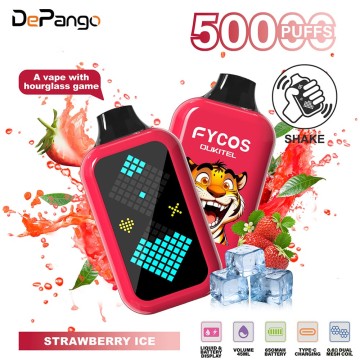
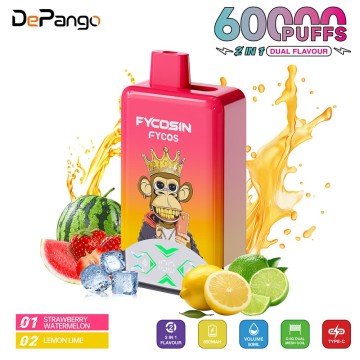
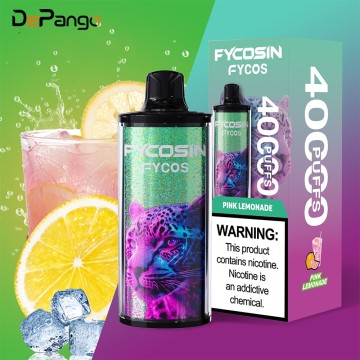
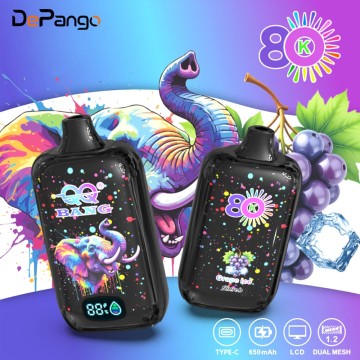
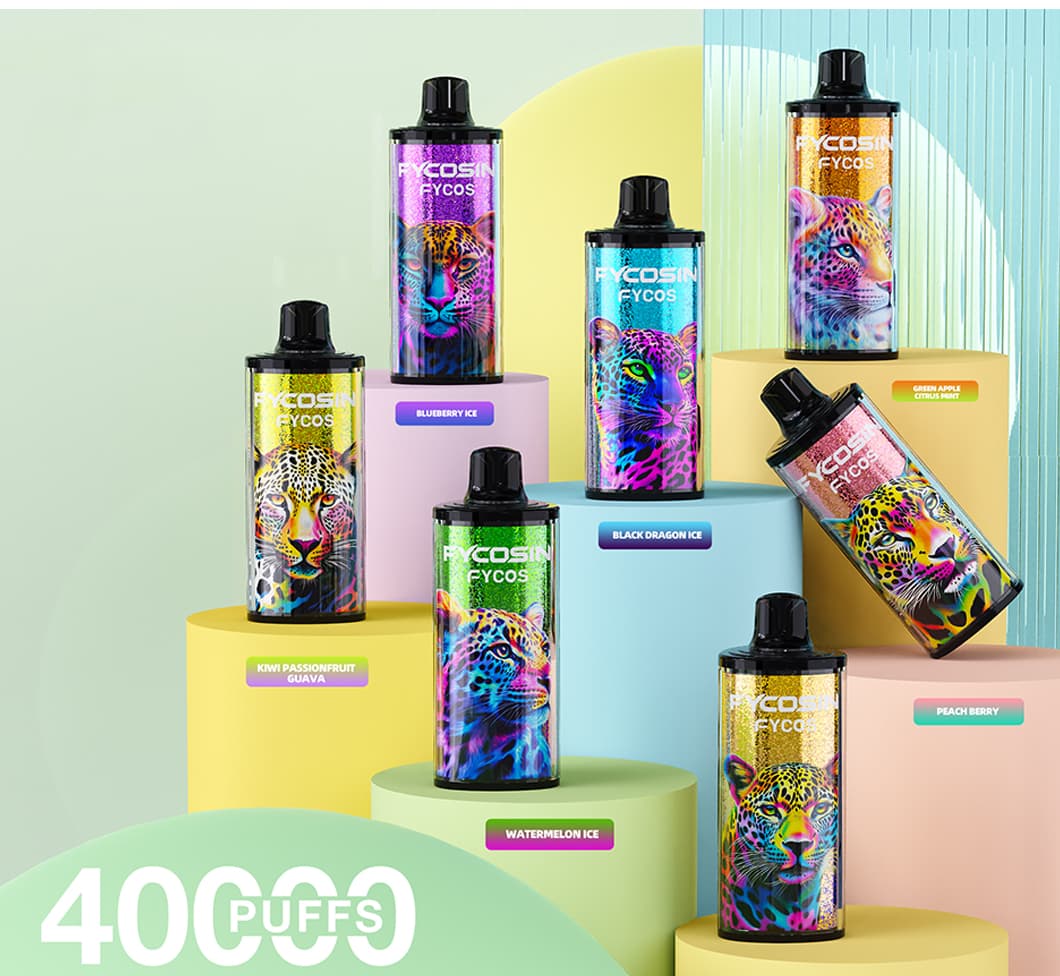
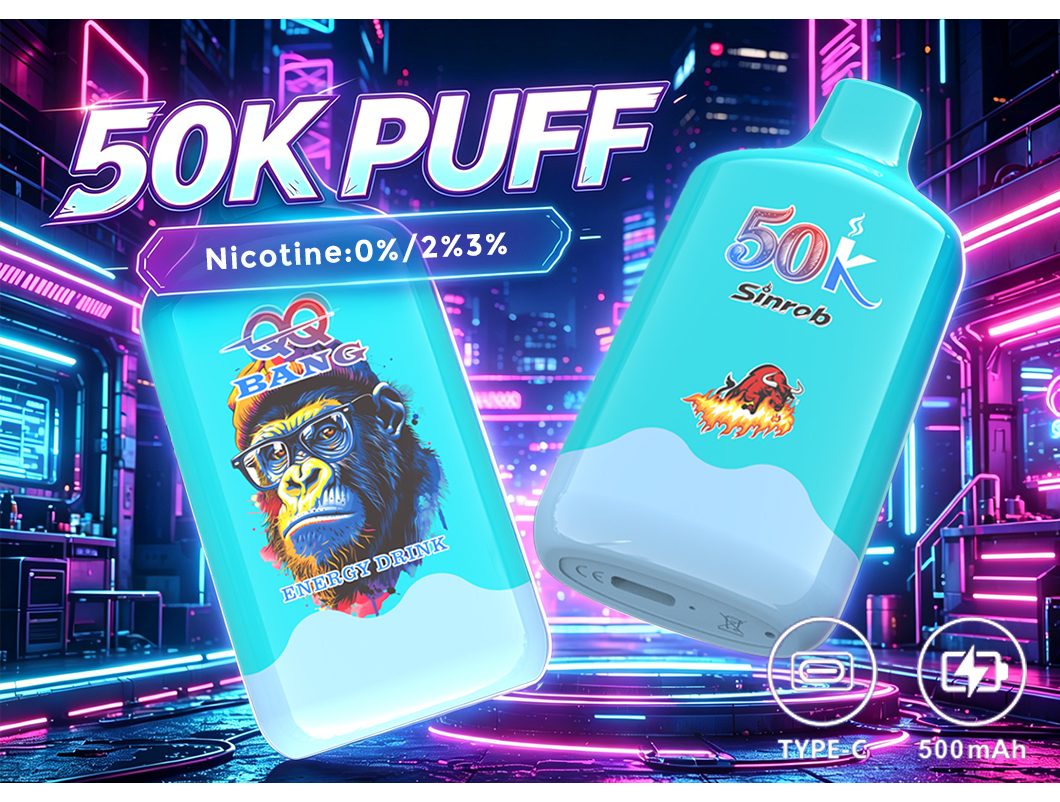
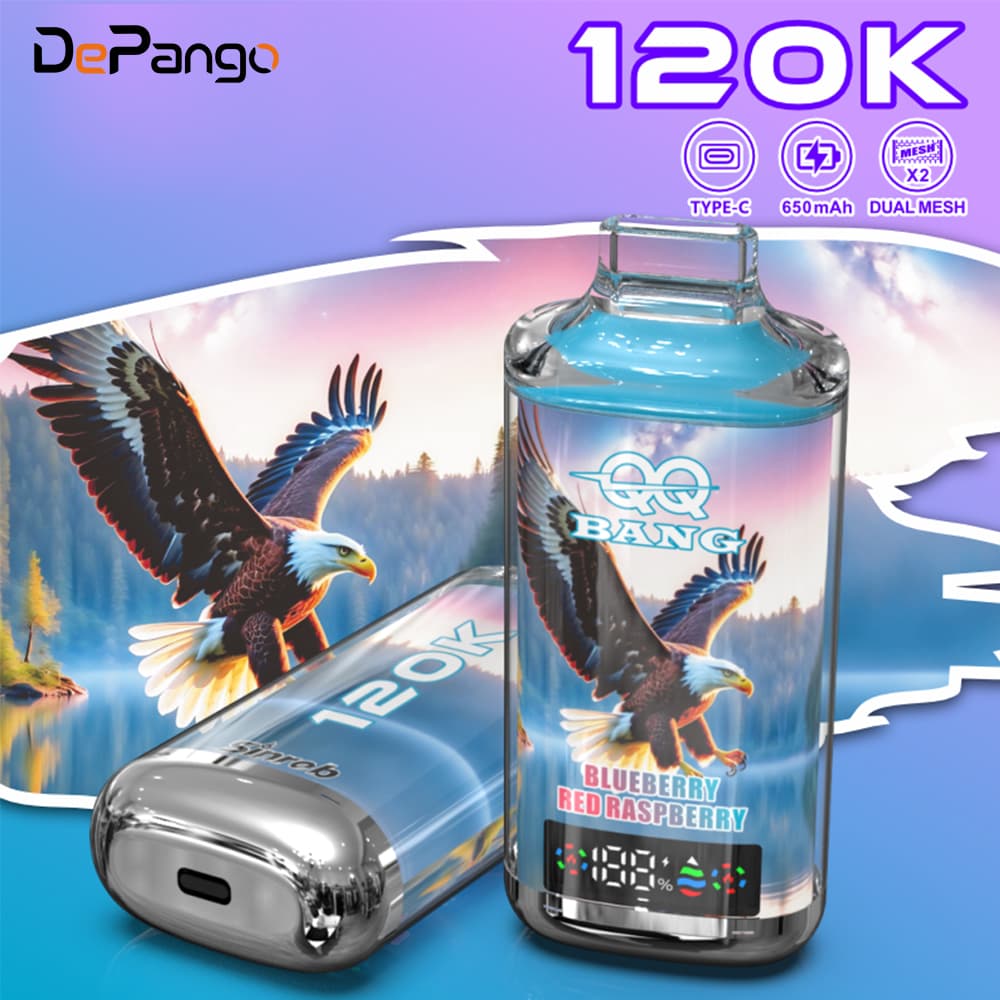
FYCOS Player 50K Puffs Dual Mesh Coil Disposable Vape
The FYCOS Player 50K Puffs disposable Vape offers an extended 50,000-draw capacity, delivering rich, consistent flavor powered by advanced dual mesh coils. Equipped with an intuitive LED screen and available in a wide selection of profiles, it combines modern functionality with an exceptional vaping experience.