









E-cigarette curved screen substrate - in-depth analysis of flexible circuit boards
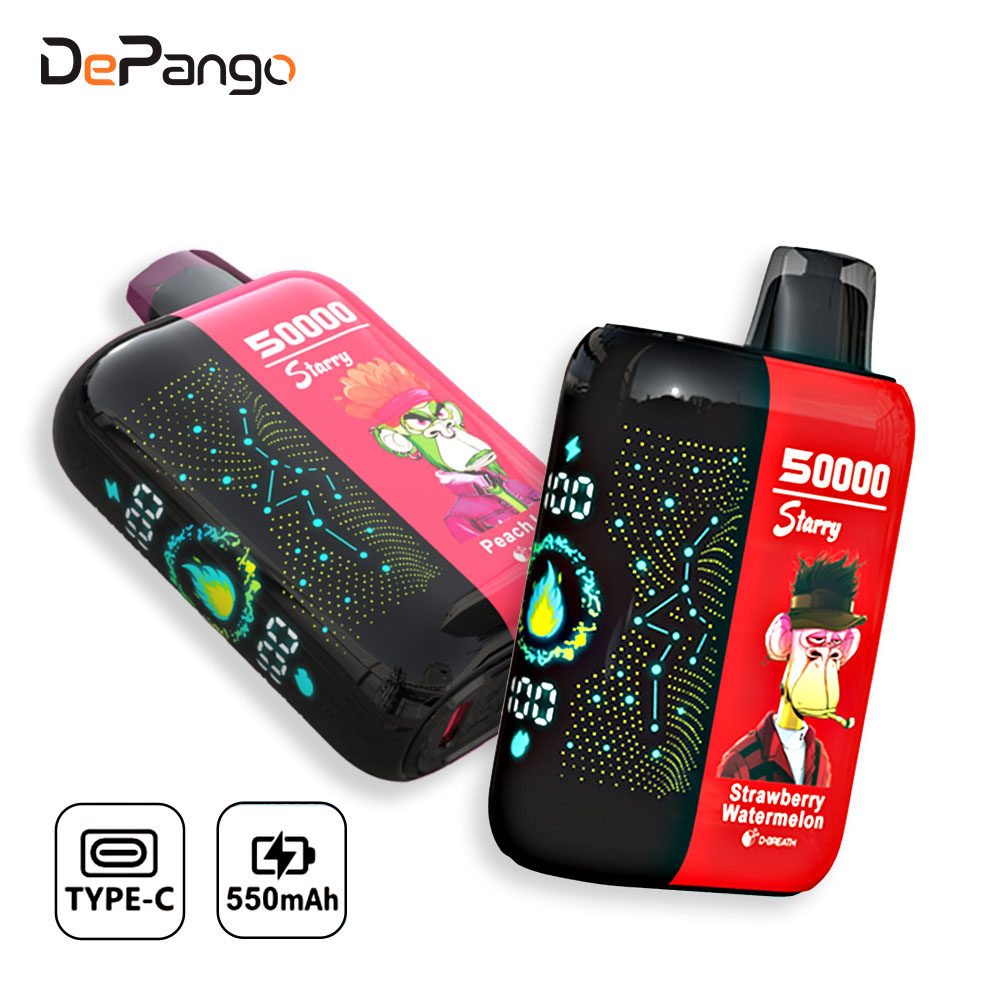
Many curved screen E-Cigarette products have been launched on the market, and their large-sized covered screens provide users with an immersive visual experience, which has become a selling point and hot spot of current products. Generally, screens are mostly made of hard substrates that cannot be bent. So how is the substrate of a flexible curved screen realized? This article will explore this issue in depth, focusing on the flexible circuit board as a curved screen substrate.

1.Overview of flexible circuit boards
Flexible Printed Circuit (FPC), also known as flexible circuit board, flexible circuit board, flexible circuit board, flexible circuit board, soft board, etc., is a special printed circuit board. It has the characteristics of light weight, thin thickness, soft and bendable, and is widely used in many products such as mobile phones, notebook computers, PDAs, digital cameras, and LCD screens.

2. Structure of flexible circuit board
2.1 Substrate: The base material of flexible circuit boards is usually flexible polymers, such as polyimide or polyester. Polyimide is favored for its excellent thermal stability and mechanical properties, while polyester is used in more cost-sensitive applications.
2.2 Conductive layer: The conductive layer in flexible circuit boards is generally made of copper. Copper was chosen for its excellent electrical conductivity and flexibility. Depending on the complexity of the circuit design, the copper layer can be single-sided, double-sided, or multi-layered.
2.3 Adhesive: The adhesive layer is used to adhere the conductive copper layer to the flexible substrate. The adhesive must be flexible and durable to maintain the integrity of the flexible PCB under bending and twisting conditions.
2.4 Cover Film: The cover film is a protective layer that covers the conductive traces to protect them from environmental factors such as moisture, dust, and mechanical damage. The cover film is usually made of the same material as the substrate, such as polyimide.
3. Types of flexible circuit boards
3.1 Single-sided flexible circuit board: There is a layer of conductive material on one side of the flexible substrate, suitable for simple applications that require only one layer of circuitry.
3.2 Double-sided flexible PCB: The flexible substrate has conductive layers on both sides and is used for more complex applications that require additional circuitry.
3.3 Multi-layer flexible circuit board: It is composed of multiple layers of conductive materials with an insulating layer sandwiched in between. It is suitable for highly complex applications that require multi-layer circuits.
3.4 Rigid-flex PCB: Combines rigid and flexible substrates in a single PCB, suitable for applications that require a combination of flexibility and rigidity, such as complex electronic devices with multiple interconnected components.
4. Manufacturing process of flexible circuit boards
The manufacturing process of flexible circuit boards is similar to that of rigid circuit boards, but there are some additional steps:
4.1 Substrate preparation: Clean and treat the flexible substrate to improve copper trace adhesion.
4.2 Copper Lamination: A thin layer of copper is laminated to a substrate using heat and pressure.
4.3 Patterning: With the help of photolithography and etching processes, the desired circuit pattern is transferred to the copper layer.
4.4 Cover film application: Cover the copper traces with a layer of protective insulating material - the cover film to prevent damage.
4.5 Lamination: Multiple layers of a flexible circuit board are pressed together using heat and pressure to form the final circuit board.
4.6 Cutting and Drilling: Cut the flexible PCB to the desired shape and size and drill the necessary holes for component mounting or interconnection.
4.7 Surface Preparation: Apply a protective coating, such as gold or silver, to exposed copper traces to prevent oxidation and improve solderability.
4.8 Assembly: Mount the components to the flexible circuit board using soldering or conductive adhesive.