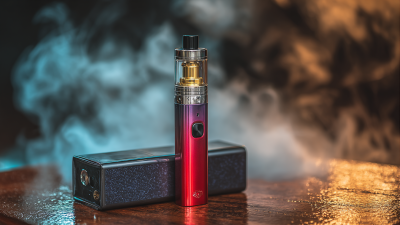
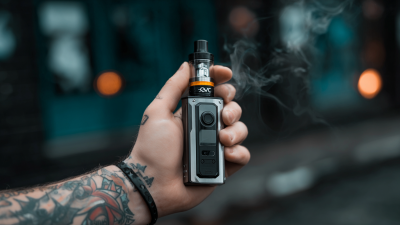
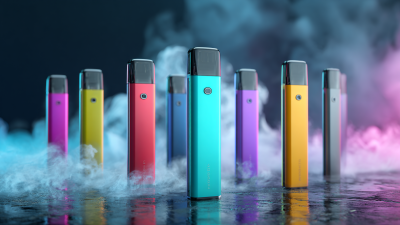
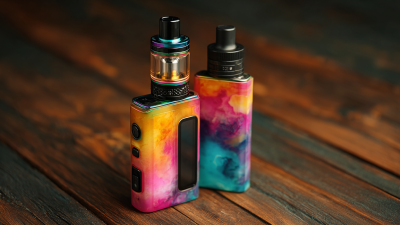
Picking a Vape pod system for your business isn’t just about price tags and pretty device colors. You need practical judgment. Retailers have to look at product quality, how transparent the supplier is, battery safety, packaging, and the legal rules in every market they sell into.
As Dr. Colin Mendelsohn, a tobacco-treatment specialist, put it: “Vaping is not harmless, but it is substantially less harmful than smoking.” That’s a good reminder to communicate carefully—not make big, overblown promises. If you’re running a responsible business, you should give legal-age adult customers clear product information. And definitely steer clear of health guarantees, misleading claims, and designs that seem aimed at kids.
A well-designed vape pod system can be simple to use, easy to store, and backed by consistent customer support. Think about a small counter display, clear instructions, and replacement pods sorted by model. Those little details build trust. They also cut down on avoidable service headaches.
But convenience alone isn’t enough. Battery protection, leak resistance, charging guidance, and quality control all deserve close attention. A cheaper Pod System Vape might end up costing more through returns, complaints, or shaky customer confidence. That risk is easy to miss.
The best choice really depends on your market, your audience, your compliance process, and how much after-sales support you can handle. No single product fits every business. And yeah—that’s the uncomfortable part.
Before scaling, companies should review supplier documents, test samples, and keep an eye on customer feedback. Industry evidence keeps evolving, so responsible decisions may need revisiting. A trustworthy vape pod system strategy isn’t built on hype. It’s built on evidence, clear communication, and consistent execution.
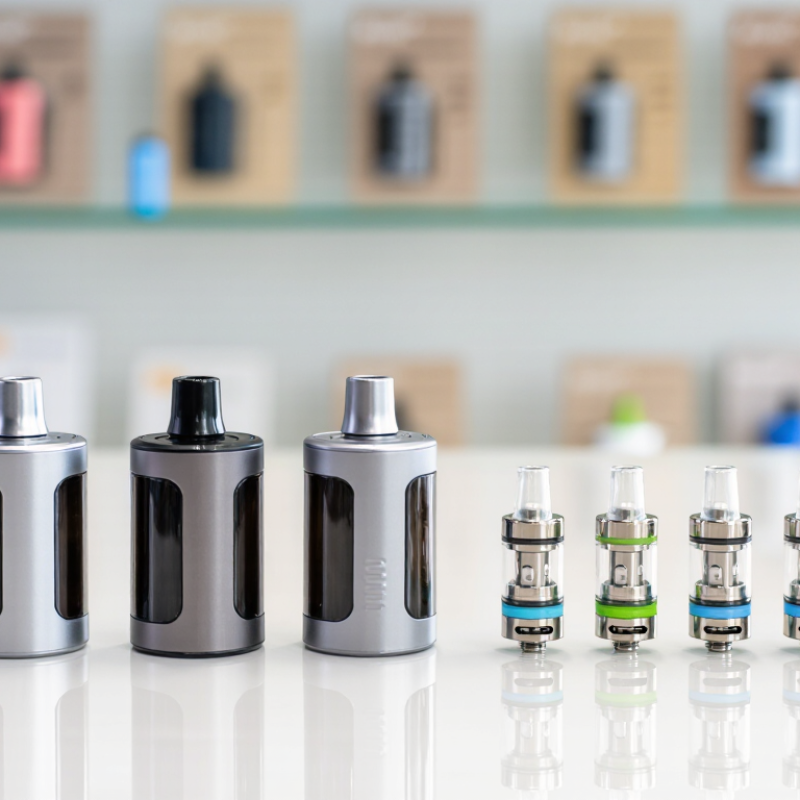
A Vape Pod System is a compact electronic device with three core parts: a rechargeable battery, a heating coil, and a replaceable pod. The pod holds e-liquid and connects directly to the battery. Some systems use prefilled pods, while others accept refillable containers. This difference affects inventory planning, user convenience, and waste levels.
The design is usually smaller than a traditional tank device. A typical unit can fit beside a phone, with a simple button or draw-activated sensor. That simplicity matters in retail settings. According to Grand View Research, the global e-cigarette market was valued at approximately $28.2 billion in 2023. Its 2024 report also projected strong growth through 2030. However, market growth does not prove every product is suitable for every customer.
A Vape Pod System often uses lower power and smaller liquid capacity than larger devices. This can make operation more predictable, but it may require more frequent pod replacement. The World Health Organization continues to state that electronic nicotine products carry health risks and should not be treated as harmless. Retailers should verify product standards, age restrictions, labeling rules, and permitted sales channels in each market. I would not rely on attractive packaging alone. The category is not perfectly uniform. Battery safety, leak resistance, material quality, and transparent ingredient information deserve closer review. Practical testing still reveals flaws that brochures may hide.
Why Choose a Vape Pod System for Your Business?
A vape pod system uses four main parts: a battery, pod, coil, and airflow path. When activated, the battery sends power to the coil. The coil heats the e-liquid absorbed by a wick. This process creates an aerosol, not harmless water vapor. The National Academies of Sciences, Engineering, and Medicine reported that e-cigarette aerosol can contain nicotine, metals, and other potentially harmful substances. Clear product information matters.
Pod systems use compact reservoirs and controlled power levels. These features can simplify stock management and daily operation. Grand View Research estimated the global e-cigarette market at approximately US$26 billion in 2023, with strong projected growth through 2030. That figure shows commercial interest, but market growth does not guarantee product quality or customer trust. Battery safety, leak prevention, ingredient disclosure, and age-verification procedures remain essential.
Tips: Train staff to explain charging, storage, and replacement procedures. Keep devices away from heat and moisture. Check local rules before selling or promoting any product. The Centers for Disease Control and Prevention reported that 7.7% of U.S. middle and high school students used e-cigarettes in 2023. That finding demands strict age controls and responsible merchandising. A smaller pod may feel easier to manage, yet poor disposal practices can create environmental and safety problems.
For retailers serving legal-age adult customers, a vape pod system can simplify daily operations. Its compact format uses replaceable or refillable pods, depending on local rules and product design. That structure can reduce shelf space and make stock counts easier. A store manager can see a week’s movement from one small display. Small details matter. Pod systems also offer consistent handling, which may help staff explain setup, charging, and storage clearly. However, convenience should never replace responsible product education.
From a business perspective, predictable unit sizes support cleaner purchasing plans and clearer price comparisons. Sealed pods may reduce spills at the counter, while charging cases and simple interfaces can shorten demonstrations. Retailers can also collect practical feedback about battery life, pod fit, flavor preferences, and packaging clarity. That feedback supports better replenishment decisions. The phrase Best Vape Pod System should not mean the most heavily promoted option. It should refer to a product that meets safety documentation, quality controls, transparent labeling, and legal sales requirements.
Reliable operations depend on more than appearance. Suppliers should provide traceable batches, testing information, warranty terms, and guidance for damaged batteries. Staff need age-verification procedures and clear records. Local rules may differ, so compliance checks require regular review. Not every pod system will suit every shop. A lower purchase price can become expensive if pods leak, returns rise, or customers need repeated support. Even experienced buyers can overlook these costs. A short trial, careful staff notes, and honest customer feedback can reveal weaknesses before a larger order. This sounds less impressive, perhaps, but it is often more useful.
For businesses serving legal-age adult consumers, pod systems offer a practical alternative to traditional vape devices. Their compact bodies fit beside a checkout display, while magnetic pods simplify daily handling. Traditional devices usually provide larger tanks, stronger batteries, and wider adjustment ranges. They can support experienced users, but they also require more cleaning, coil changes, and technical guidance.
Grand View Research estimated the global e-cigarette market at approximately USD 22.7 billion in 2023, with strong growth projected through 2030. Mordor Intelligence also forecasts continued market expansion, driven partly by compact and convenient formats. These figures do not guarantee sales for every retailer. Local demand, taxation, age-verification rules, and product standards still matter more than market headlines.
Small details matter.
An OEM Pod System Vape program can help a business control casing design, packaging, and device specifications within applicable regulations. Pod systems may reduce training time because their operation is often simpler. Traditional devices can offer greater customization, which some adult customers value. However, more settings can create more support questions and returns. In practice, retailers should compare battery capacity, leak resistance, pod availability, recycling requirements, and documented compliance before ordering. A tidy counter display helps, but it cannot replace reliable quality control.
Choosing a pod system for your business requires more than comparing prices. An ODM Pod System Vape may offer custom design, packaging, and technical specifications. However, customization should never weaken safety or product consistency.
Check the supplier’s manufacturing records, testing procedures, and traceability documents. Ask how the battery is protected against overheating, overcharging, and short circuits. Review materials used in the pod, mouthpiece, seals, and charging port. A small leak can damage packaging and quickly reduce customer trust. Request samples from different production batches. One sample is not enough.
Regulatory compliance needs careful attention. Confirm age restrictions, labeling rules, recycling requirements, and market-specific standards before placing an order. A dependable supplier should provide clear documentation, realistic production timelines, and responsive after-sales support. Examine the warranty terms closely. They may exclude common failures. That matters.
Consider the user’s daily experience too. The device should feel stable in the hand, charge predictably, and fit securely in its packaging. Test the pod connection repeatedly. Check whether printed instructions remain readable after handling. Businesses sometimes focus heavily on appearance and overlook service costs. That mistake can become expensive. No checklist is perfect. Leave room for independent testing and honest feedback before scaling production.
Selecting the right vape pod system requires more than comparing prices. Start by defining your customers, sales channel, and local compliance requirements. A system suitable for a specialty shop may not fit online distribution or hospitality settings.
Check battery protection, charging performance, pod sealing, and material quality. Ask suppliers for testing records, product specifications, and traceability documents. Reliable documentation supports safer purchasing and strengthens customer confidence. Details matter.
Operational consistency also deserves attention. Pods should connect securely, deliver steady airflow, and resist leakage during storage. Staff should understand charging instructions and basic troubleshooting. Test before scaling. A small pilot order can reveal issues that samples hide, including waste, return rates, and confusing packaging. That part is easy to underestimate.
Review the total cost, not only the unit price. Include replacement pods, shipping, storage, training, and compliant disposal. Clear labeling and age-restricted sales procedures should match applicable laws. Avoid products making unsupported health or performance claims.
Customer feedback can guide the final decision, but it is not perfect evidence. Preferences change, and early buyers may not represent your wider market. Recheck performance after several weeks. A good business system should be practical, documented, and adaptable without compromising responsible sales practices.
The Fizzy Twins 50,000 Puffs disposable vape is designed for users who want variety and convenience in one compact device. Its dual-flavor system allows two distinct flavor profiles to be enjoyed separately or combined, creating a more flexible experience throughout the day. With 50 mL of e-liquid and an estimated capacity of up to 50,000 puffs, it is built for extended use without frequent replacement. The sleek, modern body also makes it easy to carry and comfortable to hold.
Inside, double mesh coils help deliver consistent vapor production and even flavor distribution. An advanced boost mode can provide a stronger, more intense draw when desired, while the adjustable airflow system lets users fine-tune the inhale from a tighter pull to a more open, airy sensation. Together, these features offer greater control over vapor density, airflow, and flavor intensity. The device is intended for adult users and should be handled and disposed of responsibly in accordance with local regulations.
It is a compact electronic device with a rechargeable battery, heating coil, and replaceable pod. The pod stores e-liquid. Some pods are prefilled, while others can be refilled.
Pod systems are usually smaller, lighter, and simpler to operate. Many use lower power and hold less liquid. This may require more frequent pod replacement.
Review battery protection, pod materials, seals, charging parts, and leak resistance. Request testing documents and traceability records. One sample is not enough.
Prefilled pods can simplify daily use and inventory handling. Refillable pods may reduce waste and offer more flexibility. The better option depends on users, regulations, and service resources.
Check protection against overheating, overcharging, and short circuits. Test charging behavior repeatedly. Small details matter.
Request samples from different production batches. Test the pod connection, charging process, seals, and device stability. Practical testing can reveal problems that brochures hide.
Check age restrictions, labeling rules, recycling requirements, and permitted sales channels. Requirements differ between markets. Do not assume one approval works everywhere.
Instructions should explain charging, pod replacement, storage, and basic safety precautions. Printed text must remain readable after handling. This is easy to overlook.
Electronic nicotine products carry health risks and should not be presented as harmless. Businesses should follow local health warnings and advertising requirements. Attractive packaging proves very little.
Warranty terms may exclude common failures, such as leaks or charging problems. Read every exclusion before ordering. Service costs can become surprisingly expensive.
A Vape Pod System is a compact vaping device that uses a rechargeable battery and a replaceable or refillable pod to deliver vapor. Its simple structure, convenient operation, and portable design make it an appealing option for businesses seeking to offer modern vaping products. The system generally works by powering a heating element that turns compatible liquid into vapor, while the pod controls liquid storage and delivery.
For businesses, pod systems may provide easier inventory management, lower maintenance requirements, and a more approachable experience than traditional vape devices. However, important factors include product quality, battery safety, pod compatibility, operating costs, customer preferences, and dependable supplier support. When selecting the right Vape Pod System, businesses should compare performance, durability, packaging, after-sales service, and compliance with all applicable regulations. Responsible sales practices, accurate product information, and strict age-verification procedures are also essential for building trust and operating lawfully.