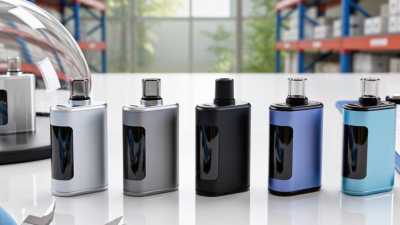
Honestly, Wholesale Disposable Vapesaren’t just cheap items shoved into cartons. If you’re buying globally, they’re really a supply-chain call—one that touches product quality, paperwork, safety, and whether they’ll actually fit the market you’re selling into. And a solid buying plan? It starts with where they’re headed, not with whatever the factory catalogue happens to show you. So, here’s the thing: some places ban disposable Vapes outright—or at least restrict them. Others don’t go that far, but they still have pretty strict rules around things like nicotine levels, packaging, labeling, ads, recycling, and verifying age. If you’re buying, just make sure you check what’s currently required in your area first. Honestly, it’s worth talking to a qualified local adviser before you place any orders.
You know, John Dunne — he's the Director General of the UK Vaping Industry Association — put it pretty well: “Compliance is not a barrier to trade; it is the foundation of responsible trade.” And honestly, that idea still holds up. If you're dealing with a serious supplier, they should be upfront about ingredients, battery specs, batch records, test documents, and where the product actually came from. They should also be able to explain what happens if a unit turns out defective. It's the little things that give it away, really. Even something like a bashed-up carton can be a sign that logistics aren't under control.
And yeah, product consistency matters too. Before buyers go all in on a big order, they should really compare how the samples perform—airflow, flavor stability, charging behavior, leakage rates, all of it. Cost alone? That’s a pretty poor benchmark. A cheaper unit price can hide weaker batteries, unclear labeling, or disposal costs that sneak up on you later. But hey, that assumption is usually wrong.
Global sourcing? Yeah, it still comes with plenty of unknowns. Rules shift, consumer tastes change, and environmental expectations keep rising. Even seasoned buyers can miss a local requirement here and there—or put too much faith in paperwork that isn't quite complete. That's why careful checking really matters. If you're procuring wholesale disposable vapes responsibly, it should be about supporting lawful distribution, keeping access adults-only, communicating openly, and encouraging safer commercial practices in every market you serve.
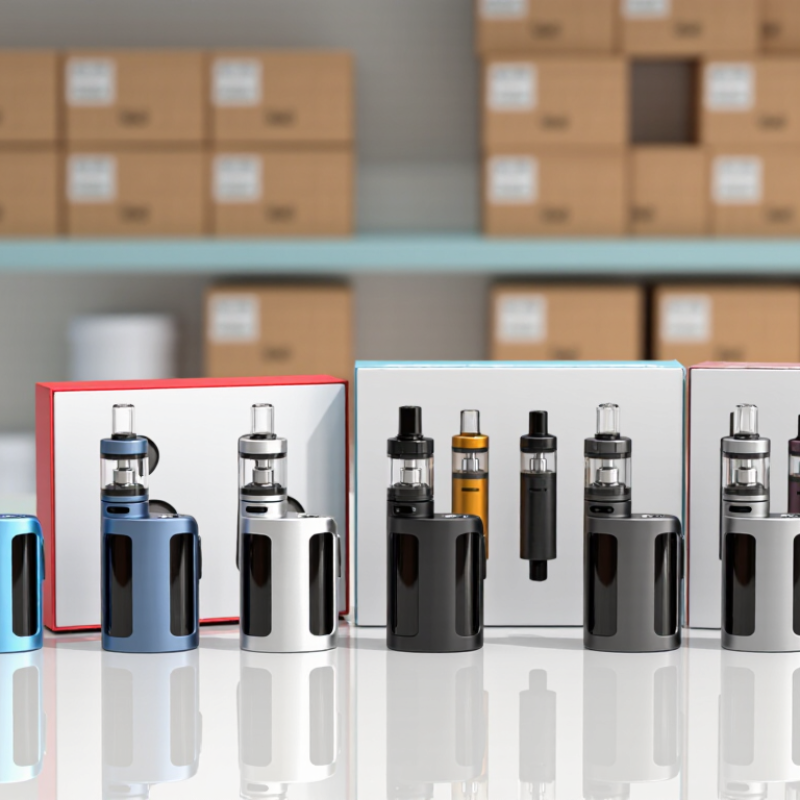
What Are Wholesale Disposable Vapes? Definition, Components, and Use Cases
What Is Wholesale Disposable Vapes for Global Buyers?
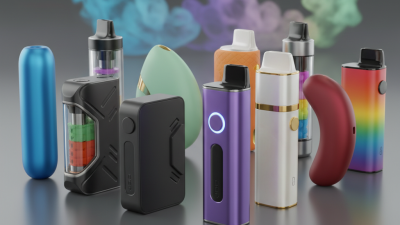
Wholesale disposable vapes are prefilled, single-use vaping devices purchased in volume for lawful adult markets. The phrase Wholesale Vapes Disposable usually describes this supply category, not a specific product type. Each device commonly includes a battery, heating coil, e-liquid reservoir, airflow channel, mouthpiece, and protective casing. Some models use nicotine, while others may be nicotine-free. Local rules determine what can be sold.
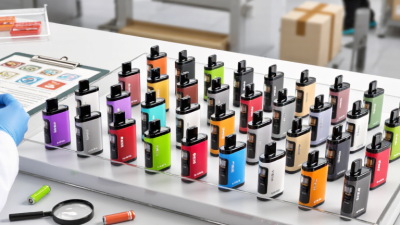
For global buyers, the main use case is regulated retail distribution. Shops may select different sizes, flavors, battery capacities, and packaging formats. A practical inspection should check sealing, batch information, ingredient details, battery stability, and airflow consistency. Documentation also matters, including laboratory reports, safety files, age restrictions, and import requirements. A low price can hide weak quality control. The category sounds simple, but it is not. No checklist catches every problem.
Tips: Confirm destination-country requirements before ordering. Request product samples and test several units from each batch. Store devices away from heat, moisture, and direct sunlight. Avoid unclear labeling or unsupported health claims. Ask suppliers how defective units are handled. Some buyers focus only on flavor and cost; that approach needs reconsideration. Reliable sourcing depends on safety, traceability, and responsible adult-market compliance.
What Are Wholesale Disposable Vapes for Global Buyers?
Disposable vapes are prefilled, single-use electronic cigarettes that typically combine a battery, heating coil, e-liquid reservoir, airflow sensor, mouthpiece, and protective housing. For wholesale buyers, nicotine regulations and product specifications should be verified before import, distribution, or sale.
Maximum permitted nicotine concentration in selected jurisdictions, measured in mg/mL. The European Union limit applies under the Tobacco Products Directive; the United Kingdom and Canada set a 20 mg/mL limit, while New Zealand permits up to 50 mg/mL under its vaping-product regulations. Requirements may change, so buyers should confirm current local rules.
Key Wholesale Considerations
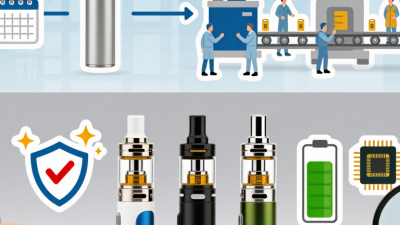
A disposable vape normally includes a lithium battery, e-liquid chamber, heating element, airflow activation sensor, mouthpiece, and sealed outer casing. Common use cases include adult consumer convenience, travel, sampling, and short-term retail sales. Global buyers should also check labeling, packaging, battery transport, recycling, age-verification, and market authorization requirements.
How Buyers Compare Puff Counts, Nicotine Strengths, and Battery Capacity
What Is Wholesale Disposable Vapes for Global Buyers?
How Buyers Compare Puff Counts, Nicotine Strengths, and Battery Capacity
Global purchasing starts with comparison, not with the largest number on a carton. Puff counts are estimates, based on controlled laboratory draws. Actual output changes with draw length, frequency, airflow, and liquid volume. A high count can mislead when the battery ends before the liquid does. During inspections, buyers should record both the advertised count and the tested performance.
Nicotine strength requires closer attention. Buyers should match product specifications with the destination market’s requirements, where sales are legally permitted. Labels should clearly state nicotine concentration, ingredients, batch details, and age restrictions. Independent laboratory reports can help verify these claims. A product labeled accurately is easier to review, store, and distribute responsibly.
Battery capacity, measured in milliamp-hours, affects expected use and shipping considerations. Capacity alone does not prove product quality. Check battery safety documents, consistency between samples, and protection against overheating. Confirm whether each device is rechargeable by design. Never accept altered or poorly sealed units. Storage temperature also matters; excessive heat can damage batteries and packaging.
I have found that some samples delivered fewer puffs than expected. That result was inconvenient, but useful. It showed why buyers need sample testing before larger orders. For cross-border purchasing, keep test records, compliance documents, and clear supplier communication. Small details decide reliability.
Global Market Scale: Grand View Research Valued E-Cigarettes at $28.2B in 2023
What Is Wholesale Disposable Vapes for Global Buyers?
Grand View Research valued the global e-cigarette market at $28.2 billion in 2023. Its report projects a 30.6% compound annual growth rate from 2024 to 2030. This figure includes several product formats, not only disposable vapes. That distinction matters. Wholesale buyers should not treat the entire market value as immediate demand. Forecasts can miss shifts in consumer habits, taxes, and local rules.
For global buyers, wholesale disposable vapes means purchasing compliant, sealed units in larger quantities. Product evaluation should include battery safety records, ingredient disclosure, packaging language, and batch traceability. A carton may look efficient on paper. However, poor storage can cause leakage, damaged seals, or inconsistent performance. Buyers should confirm import requirements before payment. Legal acceptance varies by destination, and some markets restrict sales, flavors, nicotine levels, or advertising. WHO reports continue to stress stronger controls for emerging nicotine products, so compliance evidence should be practical, current, and independently checkable.
Tips: Request samples before placing a bulk order. Compare the stated capacity with measured output. Check certificates against the exact model and factory. Keep written records of batch numbers, shipping conditions, and inspection results. One weakness remains: supplier documents may be incomplete or outdated. Careful buyers should verify them through recognized laboratories or official authorities.
International Regulation: WHO Reports E-Cigarette Sales Banned in 34 Countries
Wholesale Disposable Vape Pens refer to bulk-purchased, prefilled devices designed for single-use distribution. For global buyers, the main question is not only price or production volume. Market access comes first. A WHO report has noted that e-cigarette sales are banned in 34 countries, creating serious risks for careless importing, advertising, or resale. Rules may also differ between national borders, regions, and online channels.
Check the destination law before requesting a quotation. Confirm whether sales, importation, nicotine content, packaging, or online promotion are restricted. Ask suppliers for current ingredient details, batch records, safety documents, and traceable shipping information. A clear carton should show essential warnings, contents, and responsible-party details where required. Do not rely on a copied compliance certificate.
Rules change quickly. A document valid last year may no longer protect a shipment today. No checklist is perfect. Even experienced buyers can miss a local advertising rule or customs requirement. Independent legal and regulatory review is sensible before any purchase commitment. If a market prohibits sales, do not redirect inventory there. Responsible sourcing means accepting that some orders should be refused, even when margins look attractive.
Import Compliance: Comparing FDA, EU TPD, and Local Product Requirements
What Is Wholesale Disposable Vapes for Global Buyers?
A Wholesale Disposable Vape Pen is not simply a finished product in a carton. It is a regulated consumer product requiring market-specific review. In the United States, buyers should confirm whether the product has the required FDA marketing authorization. Importers may also need compliant labeling, establishment records, product listings, and customs documentation. State and local rules can add separate restrictions.
EU buyers face different obligations under the Tobacco Products Directive. Nicotine strength, liquid capacity, health warnings, packaging, child-resistant features, and product notification require careful checking. A disposable device commonly falls within limits for nicotine concentration and tank capacity. Requirements may also vary during national implementation. Do not rely on one EU checklist.
Local laws matter most.
Some markets require registration before import. Others restrict flavors, advertising, nicotine content, or disposable formats. Before placing an order, request test reports, ingredient details, batch codes, safety data, and traceability records. Check that labels match the destination language and required warning format. Keep invoices and shipping documents consistent with the declared product.
A spreadsheet helps, but it is not proof. Even experienced purchasing teams can miss a city-level rule or a newly updated customs notice. An independent regulatory review is sensible before production and again before shipment. Compliance should be checked by destination, not assumed from the factory’s previous sales.
Wholesale Cost Structure: MOQ, Manufacturing, Freight, Duties, and Testing
Wholesale Disposable Vape purchasing is not a single-price decision. A compliant quotation usually combines factory conversion cost, packaging, testing, freight, import duty, and local taxes. MOQ changes every layer. A 500-unit order may carry higher tooling and packaging costs, while 20,000 units can reduce unit cost but increase cash exposure. Ask for a line-item pro forma invoice, not only a headline price.
Manufacturing quotes should identify the battery, liquid capacity, materials, and batch controls. For battery transport, UN 38.3 documentation is essential, while IEC 62133-2 testing can support battery safety evaluation. Independent laboratory reports should match the exact model and production batch. They should not be recycled PDFs. Freight also needs caution. UNCTAD’s Review of Maritime Transport 2024 recorded major disruption and volatility in global shipping routes. A low ocean quote may exclude peak-season surcharges, port handling, or dangerous-goods procedures. Small details matter.
Duties depend on the importing country’s tariff code, product composition, and nicotine status. Use the destination customs authority’s current schedule, rather than a supplier’s estimate. The World Bank’s Logistics Performance Index shows wide differences in customs reliability across markets. Budget for inspection, warehousing, rejected cartons, and currency movement. Compliance is not decoration. WHO’s global tobacco reports emphasize stronger regulation of emerging nicotine products, and rules vary sharply by country. A spreadsheet can still lie. Recheck every assumption before payment.
Buyer Due Diligence: Verify Certifications, Traceability, Packaging, and Age Controls
Buying wholesale disposable vapes for global markets requires more than a low unit price. Buyers must verify whether products are legal for the intended destination. Requirements differ by jurisdiction and change frequently. Request current certificates from accredited laboratories, not screenshots. Check the certificate number, tested model, laboratory identity, and validity date. A certificate alone is not proof. Match it to the exact batch and specification.
Traceability should work backwards and forwards. Each device or inner box should carry a batch code, production date, and manufacturer record. Ask for a written recall process and retain shipping samples. Packaging deserves equal scrutiny. Inspect sealed cartons, readable warnings, required product disclosures, and accurate local language. Damaged seals or vague importer details signal avoidable risk. Small details matter.
Age controls must cover the sales chain, not only a website checkbox. Review retailer verification, delivery checks, restricted advertising practices, and staff training. Do not ship products where they are prohibited. Consult local counsel before market entry. In one early audit, I focused heavily on laboratory documents and overlooked inconsistent carton labels. That mistake was expensive to correct. A documented checklist helps, although it cannot replace independent judgment. Reliable suppliers answer difficult questions clearly and provide records without delay.
JNR Falcon X 18K Puffs Disposable Vape: Features, Design, Flavor Options, and User Experience
The Falcon X 18K disposable vape is designed for adult users who value extended use, portability, and a modern appearance. It offers up to 18,000 puffs, while its dual mesh coil system is engineered to produce smooth vapor, consistent flavor, and a satisfying draw. A rechargeable 950mAh battery helps support the device’s long-lasting capacity, reducing the need for frequent replacement during everyday use. Its high-definition display provides convenient information, such as battery status and remaining liquid, in a clear and easy-to-read format.
Built with a sleek, lightweight body, the device fits comfortably in a pocket or small bag. Its flavor range may include refreshing fruit blends, cool mint or ice profiles, and sweet dessert-inspired combinations, giving users several options to match different preferences. The dual mesh design helps bring out layered notes while maintaining a balanced experience from the first draw to the last. As with all vaping products, it should only be used by adults of legal age and in accordance with local laws and regulations.
FAQS
One research estimate valued it at $28.2 billion in 2023. This includes several product formats, not only disposable devices. Market size is not guaranteed demand.
It involves buying sealed, prefilled, single-use devices in larger quantities. Buyers should review safety records, ingredients, packaging, and batch traceability.
Confirm destination rules before requesting a quotation. Check import permission, sales restrictions, ingredient limits, packaging language, and online promotion rules.
No. Rules vary by country, region, and sales channel. One international health report identified 34 countries with sales bans. Never assume market access.
Samples can reveal leaking, damaged seals, weak performance, or inaccurate capacity. Compare stated capacity with measured output. Small tests prevent larger mistakes.
Packaging may need warnings, contents, responsible-party details, and local-language information. Requirements differ by destination. A clear carton is not automatically compliant.
Match certificates with the exact model and factory. Check batch records and ingredient details. Independent laboratories or official authorities provide stronger verification.
Record batch numbers, inspection results, shipping conditions, and delivery dates. Poor storage can cause leakage or damaged seals. Records may still be incomplete.
Pause the purchase and request current evidence. Rules change quickly. A certificate from last year may no longer protect the shipment.
No. Do not redirect inventory to another market without legal confirmation. Sometimes refusing a profitable order is the responsible decision.
Conclusion
Wholesale Disposable Vapes are ready-to-use electronic products purchased in bulk for legal retail and distribution markets. This overview explains their main components, including the battery, heating element, e-liquid reservoir, mouthpiece, and protective packaging, while outlining common use cases. Buyers should compare puff counts, nicotine strengths, battery capacity, product consistency, and intended market requirements before placing an order. The global e-cigarette sector was valued at approximately $28.2 billion in 2023, but market access varies significantly because some countries restrict or prohibit sales.
Successful international sourcing requires careful import compliance. Buyers should review applicable requirements under frameworks such as FDA rules, EU TPD standards, and local regulations, including labeling, testing, registration, packaging, and age-control obligations. A realistic wholesale budget should account for minimum order quantities, manufacturing, freight, duties, inspections, and certification costs. Before purchasing, buyers should verify documentation, supply-chain traceability, quality controls, packaging accuracy, and responsible distribution procedures to reduce regulatory and commercial risks.