You know, Vape Tobacco Flavor has really been catching on with a lot of people. It’s designed to mimic the rich, full-bodied taste of traditional tobacco, which makes it pretty appealing—especially if you're making the switch from cigarettes to vaping. Honestly, using Vape Tobacco Flavor can feel both familiar and kind of new at the same time. It’s like that sweet spot where it reminds you of the real thing but still offers a different experience.
A lot of users find themselves trying out different brands and blends, which is kind of exciting but also a bit confusing. Each one brings its own vibe—some are super smooth, while others pack a more striking, bold flavor. With so many options out there, it can be tough to figure out what’s right for you, which leaves a lot of newbies asking, “What’s the best flavor that’ll really satisfy me?”
And let’s be honest—it's not all rainbows and good vibes. The market’s flooded with vape flavors, and not everything lives up to expectations. Some can taste kinda artificial or maybe even too sweet, which is a letdown. It’s important to pay attention to what you actually like and to choose products made with good quality ingredients. Connecting with other vapers or online communities can help a ton—it’s a great way to get tips and avoid some common pitfalls.
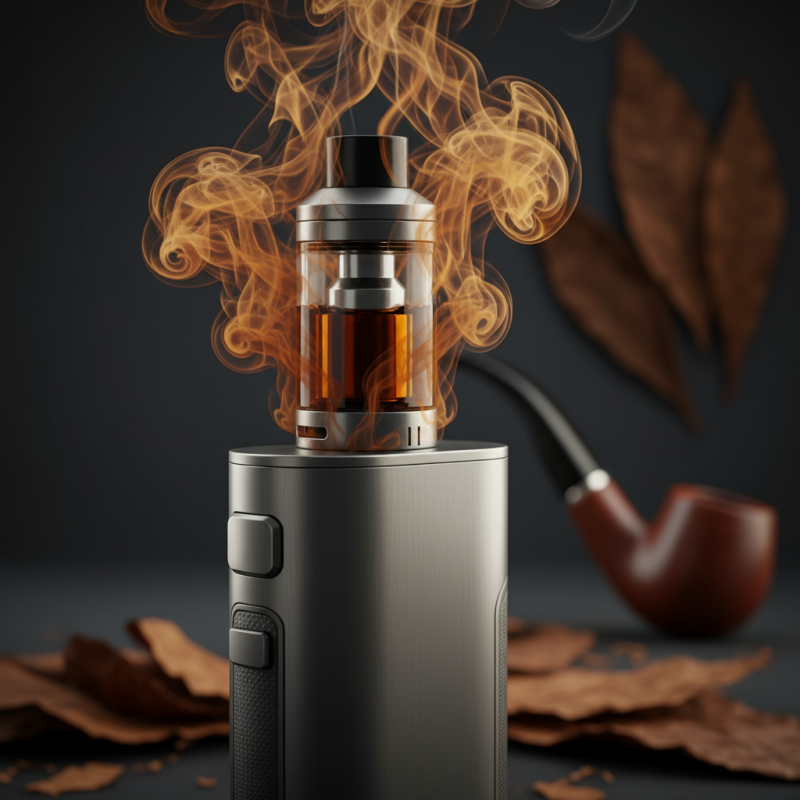
What is Vape Tobacco Flavor?
Vape tobacco flavor is a popular choice among users. It mimics the taste of traditional tobacco without the combustion of actual tobacco leaves. This synthetic flavoring offers a new experience for those transitioning from smoking to vaping. Many find it satisfying, as it retains the essence of tobacco while removing some harsher elements.
According to a report by the National Institute on Drug Abuse, nearly 30% of e-cigarette users prefer tobacco flavors. This indicates a significant demand for products that replicate classic smoking flavors. However, concerns arise regarding the potential health impacts. Research shows that some vaping flavors, including tobacco, can have adverse effects on lung health. The long-term consequences are still unclear, prompting crucial conversations within the industry.
Vape tobacco flavors can vary widely. Users often describe them as earthy, robust, or even slightly sweet. Yet, there is a lack of standardized regulations governing flavor production. This inconsistency raises questions about quality and safety. As more people explore vaping, the need for research and regulation becomes more pressing. It's crucial to confront these issues to promote informed choices among consumers.
The Chemical Composition of Tobacco Flavors
Vape tobacco flavors are designed to mimic the rich and complex taste of traditional tobacco. These flavors often rely on a blend of various chemical compounds. Their composition includes natural extracts and synthetic flavors. This combination creates distinct profiles that appeal to many users.
The chemical composition of tobacco flavors is diverse. Common ingredients include ethyl vanillin, vanillin, and various esters. These compounds help replicate the sweetness found in tobacco. Other substances may add depth and richness. However, not all flavorings are created equal. Some may come with unexpected aftertastes. You might experience inconsistencies in flavor strength. OEM Vape Tobacco Flavor suppliers often experiment to balance the blend.
It's crucial to be aware of the impact of these flavors. Over time, some users might find that their preferences shift. Taste can evolve, leading to a desire for something new. Reflecting on personal taste is part of the experience. Exploring different blends can enhance enjoyment. However, the goal is to appreciate the nuances in flavors, not just replicate the experience of smoking.
How Vape Tobacco Flavors are Manufactured
Vape tobacco flavors are crafted through a meticulous manufacturing process. Manufacturers begin with base ingredients, primarily vegetable glycerin and propylene glycol. They then add flavoring agents that emulate the taste of various tobaccos. This process often involves trial and error to achieve the desired taste profile. Different combinations of natural and artificial flavoring can result in unique and compelling vaping experiences.
When creating flavors, it's important to note that quality control is essential. A slight miscalculation can lead to undesirable results. That’s why implementing rigorous testing is a must. Many manufacturers turn to ODM Vape Tobacco Flavor providers for expertise. They ensure flavors are balanced and enjoyable. The expertise of professionals helps streamline the manufacturing process.
Tips for choosing flavors: start with small quantities. Experiment with combinations to find the right mix. Keep in mind that taste can evolve over time. Flavors that seem perfect at first might require adjustment later. Listen to feedback and remain adaptable. Crafting an appealing vape tobacco flavor is as much an art as it is a science.
Understanding the Role of Flavoring Agents
Vape tobacco flavor is a popular choice among users. It offers a distinctive taste that mimics traditional tobacco. Flavoring agents play a crucial role in achieving this experience. These agents can include natural extracts and synthetic compounds.
According to a 2021 report by the National Institute of Health, about 85% of vape users prefer flavored products. This data highlights the importance of flavoring in the vape market. Many flavors, including tobacco, help create a satisfying experience. For instance, propylene glycol and vegetable glycerin are common bases that carry flavors effectively.
However, the use of flavoring agents raises questions. Are they all safe? Some studies suggest potential health risks associated with certain chemicals. The complexity of these flavors can sometimes mask unpleasant effects. Users may find themselves drawn to the Best Vape Tobacco Flavor without being fully aware of the ingredients. This uncertainties urge the need for more transparency in ingredient labeling.
What is Vape Tobacco Flavor and How Does It Work? - Understanding the Role of Flavoring Agents
| Flavor Type | Common Ingredients | Usage in Vaping | Potential Health Effects |
| Tobacco | Natural tobacco extracts | Enhances the smoking experience | May retain some harmful effects of traditional tobacco |
| Menthol | Menthol crystals | Provides a cooling sensation | May mask the harshness of nicotine |
| Fruity | Natural and artificial fruit flavors | Appeals to a broader audience | Limited data on long-term health effects |
| Dessert | Sugary and creamy flavorings | Provides a sweet vaping experience | May contribute to increased cravings for sweets |
| Spicy | Cinnamon, clove, and other spices | Adds a complex flavor profile | May irritate the throat |
The Mechanism of Vapor Production in Vaping
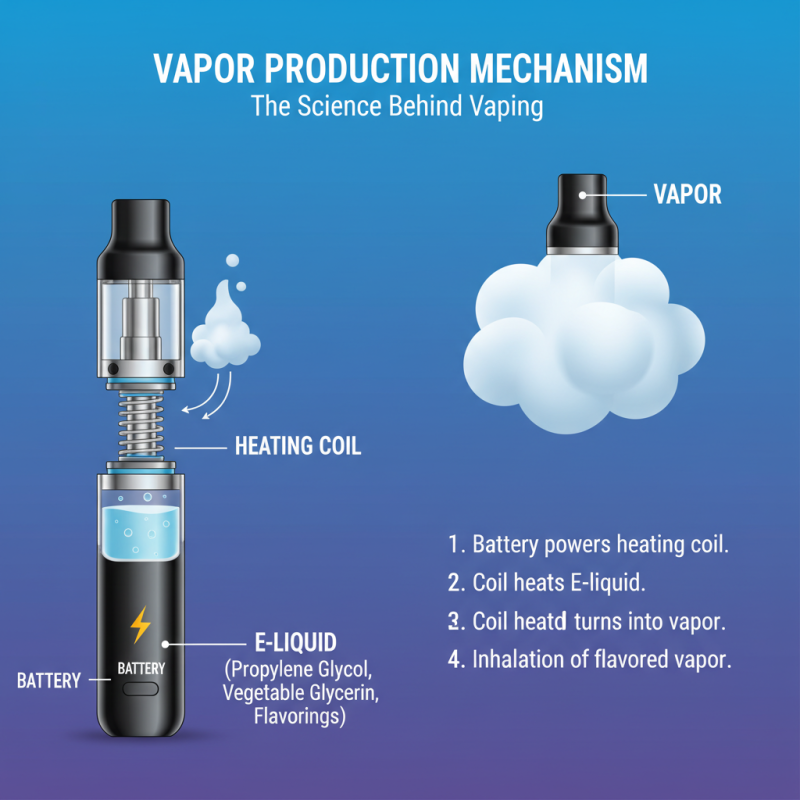
Vaping has gained popularity for many reasons, including its variety of flavors. One key aspect is the mechanism of vapor production. In vape devices, a battery powers a heating element, often called a coil. This coil heats a liquid, known as e-liquid or vape juice, until it vaporizes. The key components of this liquid typically include propylene glycol, vegetable glycerin, and various flavorings.
When users inhale, the vapor produced is infused with flavors. A Custom Vape Tobacco Flavor can create a rich experience. The intricate blend of ingredients can enhance the overall enjoyment. However, the process is not without issues. Some users report inconsistencies in flavor or throat irritation. This highlights the need for careful consideration of ingredients used in e-liquids.
Temperature control is another crucial element in producing vapor. If the coil overheats, it may burn the flavorings, creating an unpleasant taste. This can lead to dissatisfaction with the vaping experience. It’s important for users to find the right balance in settings. Focusing on the mechanics of vapor production aids in enjoying custom vape tobacco flavor to its fullest. Balancing technology with personal preference requires attention and, at times, experimentation.
Health Considerations of Using Tobacco Flavors
When exploring the use of tobacco flavors in vaping, health considerations emerge as a crucial topic. Many users are drawn to the familiar taste of traditional tobacco products. They may perceive these flavors as a safer alternative. However, the full impact of inhaling flavored substances is still not entirely understood. The interaction between flavorings and the respiratory system can lead to potential concerns.
Additionally, while vaping is often viewed as a less harmful option, the presence of tobacco flavor doesn’t eliminate risk. Some studies indicate that certain flavoring agents may irritate the lungs. People have reported coughing or discomfort after prolonged exposure to tobacco flavors. This could hint at underlying health issues related to vaping. Users should remain cautious and aware of their own body's responses.
Despite the allure of tobacco flavors, the safety of long-term use remains uncertain. Some vaping enthusiasts may overlook these risks, just wanting an enjoyable experience. It's essential for them to reflect on how their choices affect their well-being. Personal health should always take precedence over flavor enjoyment.
Comparative Analysis of Tobacco and Non-Tobacco Flavors
Tobacco flavors in vaping are crafted to mimic traditional smoking experiences. They provide familiar notes of earthy, woody, or smoky tastes. Many vapers appreciate this connection. However, non-tobacco flavors offer a vibrant alternative. Fruity, sweet, or even dessert-like flavors appeal to those seeking variety.
While tobacco flavors may replicate the essence of smoking, non-tobacco options can sometimes feel overwhelming. Some users find intense sweetness cloying. It's essential to gauge preferences carefully. A balance is necessary. Many vapers enjoy alternating between the two. Yet, some may crave one flavor profile over the other.
A comparative analysis reveals more than just flavor differentiation. Tobacco flavors often evoke nostalgia, while non-tobacco flavors emphasize creativity. Some enthusiasts may unknowingly overlook the complexity of non-tobacco options. This blend of familiarity and innovation reflects changing tastes within the vaping community. Users continually explore new sensations, but they should remain mindful of their personal preferences.
Vape Tobacco Flavor vs Non-Tobacco Flavor Comparative Analysis
Conclusion
Vape Tobacco Flavor refers to the specific flavor profile designed to mimic the taste of traditional tobacco in vaping products. This flavor is created through a careful selection of chemical compounds that are combined to replicate the rich and complex notes of real tobacco. The manufacturing process involves extracting natural flavors and blending them with other flavoring agents, ensuring that the final product satisfies the preferences of users seeking a tobacco-like experience.
Understanding the mechanism of vapor production is crucial, as it influences how these flavors are perceived when inhaled. Additionally, users should consider health implications related to the consumption of vape tobacco flavors, as well as the differences between tobacco and non-tobacco flavors. Ultimately, choosing vape tobacco flavor involves balancing the desire for a familiar taste with considerations of health and safety in vaping practices.