Look, finding a reliable Wholesale E Cigarette supplier in China isn’t just about comparing price lists. You’ve really got to dig into who you’re dealing with — are they the actual manufacturer, or just a middleman? Check their quality-control records, traceability, and how they respond when you hit them with detailed questions. A slick catalog might look impressive, but honestly, it can’t replace solid, verifiable documentation.
Peter Kraljic, a procurement scholar, basically nailed it with that Harvard Business Review piece—'Purchasing must become supply management.' That’s a pretty good lens for sourcing E-Cigarettes too. Instead of treating supplier selection like a one-off transaction, you want to treat it like an ongoing relationship. Ask for clear specs, check samples for consistency, and make sure you know exactly who handles inspections and after-sales support. Because, honestly, the details are where it gets tricky. You know, it's funny—one missing document or a product description that's too vague can really mess up an order that otherwise looked great.
Okay, so here’s the thing: this guide isn’t going to give you some magic formula—it’s about practical ways to find and vet Chinese suppliers. We’re talking trade directories, industry expos, or even just hitting up manufacturers directly. You’ll also see the kinds of questions you should ask before you request a quote, like production capacity, batch records, shipping terms—you know, the important stuff. Just remember, different countries have different rules, so make sure you check the applicable product standards, age limits, and import regulations yourself before you place any order. And that super cheap quote? Yeah, it might catch your eye. Let's be honest—cheapest isn't always the best deal. You have to check what suppliers claim against the actual evidence, and even then, a thorough review can still leave you with loose ends. Worth keeping that in mind.

Shenzhen and Dongguan are practical places to begin a supplier search because both have established manufacturing networks. Look for firms that provide clear business addresses, product specifications, and export documentation. A polished directory page is not proof of reliability. Ask for a live factory video or arrange an independent audit before discussing an order.
Use B2B directories to compare several suppliers, then contact them with the same questions. Request material details, quality-control records, sample terms, and written lead times. Check whether the supplier can explain its testing process clearly. Details matter. For Electronic Cigarette Wholesale, confirm that products and sales channels meet the rules in your intended market, and ask for current documentation rather than relying on broad assurances. Compare sample quality with the written specification, including packaging and labeling. One caution: directory listings can be outdated, and a low quote may leave out inspection or shipping costs. Keep records of replies; small inconsistencies can be useful signals.
Population context for two manufacturing hubs often used when narrowing supplier searches. Population figures are from China’s 2020 census; they are not supplier counts.
Use Shenzhen and Dongguan as location filters when searching suppliers, and compare listings in B2B directories. Verify each supplier’s current licenses, product documentation, and export capabilities independently.
China’s E-Cigarette Management Measures took effect on 1 May 2022. They brought domestic production, wholesale, and retail under China’s tobacco monopoly licensing system. For a Wholesale Electronic Cigarette order intended for China’s domestic market, verify that the supplier holds the relevant licence. Check its scope, not just the certificate on the wall. Paperwork matters.
Product rules matter too. National standard GB 41700-2022 took effect on 1 October 2022. It sets technical requirements, including a nicotine concentration limit of 20 mg per gram, and restricts flavors for products sold domestically. Ask for current test reports, product specifications, and batch traceability records. Match the documents to the goods being quoted; a neat sample box proves little. A factory visit helps, but it does not replace verification.
For context, China CDC’s 2022 China Adult Tobacco Survey reported current e-cigarette use among people aged 15 and above at 1.6 percent. That figure is useful background, not proof that any supplier is compliant. Confirm the intended sales market before reviewing requirements, since export orders may involve different rules. Small gaps can be easy to miss. I would recheck licence details and test documents before signing, even when the supplier seems established.
When evaluating suppliers in China, verify testing against GB 41700-2022, not just a product brochure. The national standard, issued by China’s market regulation and standardization authorities, took effect on October 1, 2022. It sets a maximum nicotine concentration of 20 mg/g. That figure is a testable specification. Ask for the original, batch-specific laboratory report and check that its sample description matches the product offered. A generic certificate proves little. Small mismatch, big concern.
For Disposable E Cigarette Wholesale inquiries, request reports that state the test method, measured concentration, testing date, and laboratory details. Compare the result directly with the 20 mg/g limit; do not rely on rounded marketing claims. Also ask how the supplier documents other relevant standard checks, including aerosol and product-safety testing. An independent report is useful only when its batch and product can be traced. Paperwork can still be incomplete. Treat missing identifiers or unexplained changes between batches as reasons to pause and ask for clarification.
A wholesale quote is only useful when its assumptions are visible. Ask each Chinese supplier to state the minimum order quantity for each model, packaging option, and customization level. A 500-unit MOQ may apply to standard stock, while a custom package may require more. Get both figures in writing. Numbers need context.
Compare monthly capacity with recent production records, not a sales estimate. Request output for the same product category and ask how capacity changes during peak periods. Then check lead time from deposit, sample approval, and final artwork approval to shipment readiness. These dates can differ. A supplier quoting 20 days may mean production only, excluding inspection and packing.
Defect-rate data deserves careful checking. Ask how the rate is calculated, which defects count, and whether it comes from a recent batch inspection. For example, a report covering 1,000 units is more informative than an unsupported “below one percent” claim. Small samples deceive. Request inspection records and clarify whether rework, replacements, or credits are available under the written agreement. Verify facility details and relevant quality documents independently, and confirm products meet the requirements of the intended market. One spreadsheet can still mislead if suppliers define terms differently, so standardize your questions before comparing quotes.
A polished catalog is not proof of export experience. When comparing Wholesale Cigarette suppliers in China, request redacted shipping documents, such as commercial invoices, packing lists, and bills of lading. Check that product descriptions, quantities, shipment dates, and destination markets align across records. With the supplier’s permission, ask a customs broker to review the documents. Records can be incomplete or delayed, so treat them as evidence—not a guarantee.
Destination-market approval must match the exact product. Compare model numbers, ingredients, nicotine concentration, warning labels, and packaging against current requirements from the relevant regulator. The WHO’s 2023 global tobacco report states that 121 countries had adopted some form of e-cigarette regulation. Rules differ widely, and a document accepted in one market may not cover another. Keep copies of approval records and confirm their validity before placing a large order.
Tips: Request a model-specific approval, not a generic certificate. Match its details to a physical sample and draft label. Ask for an independent lab report where required, and verify the issuing body. I have seen paperwork look convincing at first glance; small mismatches still deserve a second look.
Use this verification framework to compare prospective suppliers. It is not a supplier ranking; shipment-level export evidence should be checked for each order.
| Audit Area | What to Verify | Evidence to Request or Check | Reliable Reference | Decision Before Ordering |
|---|---|---|---|---|
| Chinese business identity | Confirm the supplier’s registered legal entity and business status. Make sure the contracting party, invoice issuer, and payment beneficiary are consistent or have a documented relationship. | Business licence, Unified Social Credit Code, contract details, and a current company-registration search. Treat mismatched names or unexplained payment accounts as a due-diligence issue. | China National Enterprise Credit Information Publicity System | Identity check Resolve discrepancies before paying a deposit. |
| Export-record audit | Check whether the supplier can substantiate relevant shipments to your destination. Export declarations and commercial shipment records are not necessarily available as a complete public supplier-level database. | Request appropriately redacted customs declaration details, commercial invoices, packing lists, and bills of lading. Cross-check dates, product descriptions, quantities, destination, and exporter/shipper identities with your freight forwarder or customs broker. | Use the issuing carrier, freight forwarder, or customs broker to validate documents where possible. A bill of lading supports shipment evidence but does not, by itself, prove product approval or final customs clearance. | Shipment proof Do not treat screenshots or an export claim as independently verified records. |
| Product and shipment consistency | Ensure the records relate to the same product configuration you intend to buy, including device type, nicotine strength, liquid volume, and applicable model or SKU identifiers. | Compare samples, specifications, invoices, packing lists, and destination-market notification or authorization records. Ask the supplier to explain any differences in product description or exporter of record. | Destination-market regulator records and the shipment documents for the specific transaction. | Match the exact item A shipment of a different product does not establish compliance for your order. |
| United States | For products subject to FDA tobacco-product requirements, verify that the exact product has an FDA marketing granted order before treating it as legally marketable. State and local rules may also restrict sales. | Check the product name and relevant product details against FDA marketing-order information. Do not rely solely on a supplier’s general statement that it “has FDA approval.” | U.S. FDA: Tobacco Products Marketing Orders | Product-specific check Confirm federal status and review state and local requirements for the intended sales area. |
| United Kingdom | For consumer e-cigarettes and refill containers containing nicotine, check applicable notification requirements under the Tobacco and Related Products Regulations. UK rules include limits of 20 mg/ml nicotine concentration, 2 ml for tanks or cartridges, and 10 ml for refill containers. | Request evidence that the exact product has been notified for the relevant UK market and check the official product information. Verify current rules and any applicable national requirements before placing the product on sale. | UK Government: E-cigarette regulations for consumer products | Check notification Confirm product details and packaging match the notified product. |
| European Union | For products covered by the Tobacco Products Directive, manufacturers or importers must submit the required notification before placing products on the market. The Directive sets, among other requirements, a maximum nicotine concentration of 20 mg/ml, a 2 ml tank/cartridge limit, and a 10 ml refill-container limit. | Ask for evidence of the relevant EU-CEG notification and verify requirements for each intended Member State. National rules and enforcement can differ, so a notification for one market should not be assumed to cover every sales requirement. | European Commission: Electronic cigarettes | Check each market Confirm notification and local requirements for every destination country. |
| Order controls | Set acceptance criteria before production or shipment, including compliant labelling, agreed specifications, inspection arrangements, and remedies for a failed compliance check. | Use a signed specification, pre-shipment inspection report where appropriate, final artwork, and a contract that identifies the responsible exporter and importer. | Contract documents, inspection records, and the destination-market regulator’s current guidance. | Release only after review Hold shipment if product identity, records, or destination requirements remain unclear. |
When comparing wholesale e-cigarette suppliers in China, rank quotes by landed cost, not factory price alone. Add freight, insurance, duties, inspection, and destination-specific compliance costs. Ask each supplier to price the same model, quantity, packaging, and shipping terms. Otherwise, a low quote may hide extra charges.
Keep it comparable.
Review warranty terms in writing. Check coverage length, excluded damage, evidence requirements, replacement shipping, and claim response times. Ask for anonymized records showing typical resolution times. A warranty sounds useful until the process becomes unclear.
Repeat orders matter more than polished samples. Request production lead times, batch inspection records, and recent defect-rate data. Compare these figures across several orders, not one unusually good shipment. A small pilot order can reveal packaging damage, inconsistent labeling, or slow communication. It cannot prove long-term reliability, though. That limitation is easy to overlook. Confirm that product documents match the exact model and destination market, then have qualified import and compliance professionals review them. I would leave room for uncertainty: reported performance is only as dependable as the records behind it.
Market research on the e-cigarette sector highlights consumer interest in convenient formats, varied flavor choices, and portable designs. Disposable devices are one part of this market, while reports tracking the category examine factors such as product innovation, changing preferences, and regional differences. These broad trends offer context for comparing devices, but they do not replace checking product specifications or applicable local requirements.
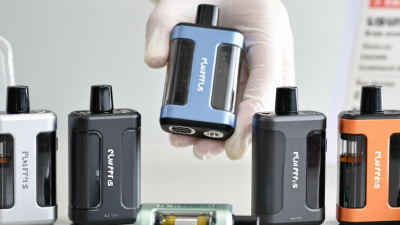
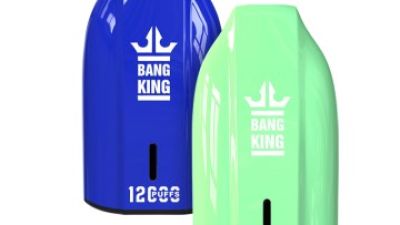
One compact option is designed around an 18 ml e-liquid capacity and a 1.2-ohm mesh coil, with a stated output of up to 12,000 puffs. It weighs 60 g and includes a 550 mAh battery with a Type-C charging port. Available nicotine strengths are listed as 0%, 2%, 3%, and 5%, alongside 12 flavor options. Actual performance may vary with use, and nicotine can be addictive; people considering any nicotine product should review its ingredients, follow relevant age and use restrictions, and consider nicotine-free alternatives.
Both cities have established manufacturing networks. Check addresses, product specifications, and export documents.
Send each supplier the same questions. Ask about materials, quality checks, samples, and written lead times. Keep replies. Small inconsistencies matter.
Check that the supplier holds the relevant licence. Verify its scope, not just the certificate on the wall.
It took effect on October 1, 2022. It sets a nicotine concentration limit of 20 mg/g and restricts flavors for domestic products.
Request a batch-specific report showing the test method, measured concentration, test date, and laboratory details. Match its sample description to the quoted product.
Compare it with the written specification, including packaging and labeling. A neat box proves little.
Watch for missing batch identifiers, unexplained changes, or mismatched documents. A low quote may exclude inspection or shipping costs.
No. A visit or live video can add useful context, but verify licences and test records too. I would recheck them before signing.
Finding reliable Wholesale E Cigarette suppliers in China starts with comparing manufacturers and trading companies in Shenzhen and Dongguan with vetted B2B directory listings. Before requesting samples or placing an order, confirm that each supplier understands the rules effective from 1 May 2022 and can provide verifiable test documentation for GB 41700-2022, including evidence that products meet the applicable 20 mg/g nicotine concentration limit. Check that approvals and documentation are relevant to the intended destination market.
Compare minimum order quantities, monthly production capacity, lead times, and documented defect rates rather than relying on estimates alone. Review export records and request evidence of destination-market approvals, then assess written quotations using landed cost, warranty terms, and performance on repeat orders. A structured comparison of compliance records, production reliability, and total cost can help buyers identify suitable suppliers while reducing avoidable sourcing risks.