WARNING: This product contains Nicotine. Nicotine is an addictive chemical.
Our products are restricted to adults 21+ only.

Leave Your Message
The Vaping scene has really taken off in recent years, with more and more innovators jumping in to meet what consumers want today. Looking ahead to2025, it’s pretty clear we should be paying attention to the big players—those vape manufacturers who are not just keeping up but actually shaping the future of vaping through cool tech and a wider variety of products. The market’s pretty competitive right now—companies like JUUL Labs, VUSE, and Puff Bar are constantly improving what they offer, and they’re also setting trends that will influence what people prefer down the line.
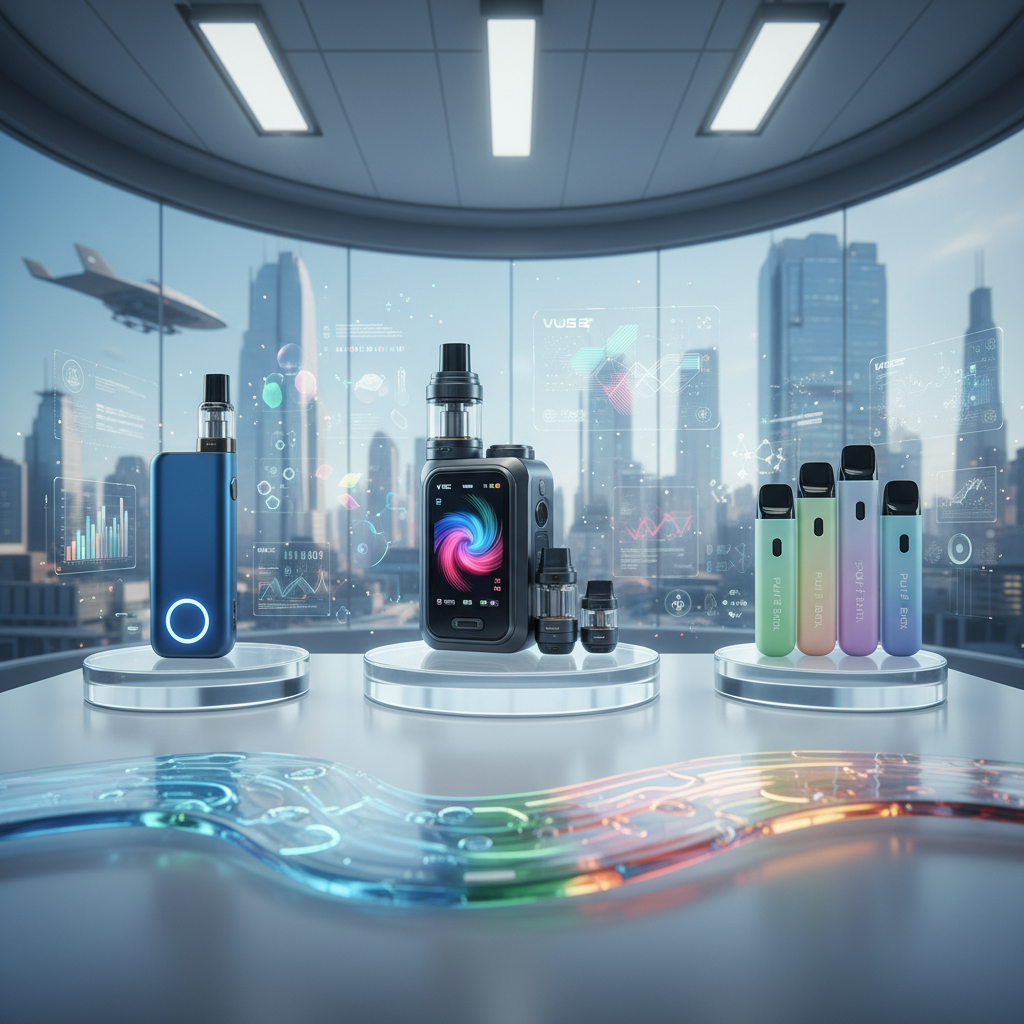
On top of that, the tech side of vaping is progressing pretty fast—think customizable e-liquids, smart features, and all sorts of personalization options. These innovations really highlight how much R&D is happening in this space; manufacturers are trying to make vaping safer, easier, and more tailored to individual users. As we dig into what these companies are doing, it’s not just about their business strategies but also about the bigger trends shaping the entire industry. The future of vaping is really in the hands of these key players, and honestly, it’s pretty exciting to see where they’re headed over the next few years.
The vape industry is poised for significant transformation as we look towards 2025, driven by emerging trends and innovative technologies. According to recent market research, the global vape market is expected to witness substantial growth, with projections indicating that the market size may reach billions in revenue. Key factors fueling this growth include an increasing acceptance of vaping as a less harmful alternative to traditional smoking and the continuous advancements in product design and functionality.
One prominent trend is the integration of smart technology into vape devices. With features such as app connectivity, customizable settings, and enhanced battery life, these innovations cater to a more tech-savvy consumer base. Furthermore, developments in vape liquid formulations are also noteworthy, as manufacturers focus on delivering a wider variety of flavors and nicotine options—allowing users to tailor their vaping experience to personal preferences. As the industry adapts to consumer demands, staying informed about these trends will be crucial for both manufacturers and consumers in the evolving landscape of vaping technology.
| Manufacturer Type | Key Innovations | Market Trends | Projected Growth Rate |
|---|---|---|---|
| Pod Systems | Smart technology integration | Increased demand for discreet devices | 15% |
| Disposable Vapes | Eco-friendly materials | Rise in on-the-go options | 10% |
| E-Liquids | Novel flavors and nicotine salts | Diversification of flavors | 12% |
| High-Power Vapes | Advanced temperature control | Preference for customizable options | 8% |
| Hybrid Models | Combining vape and traditional methods | Growing interest in hybrid solutions | 9% |
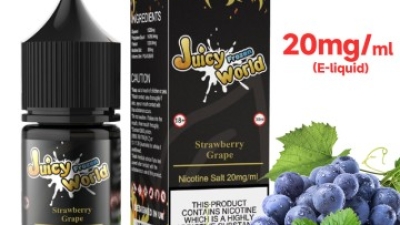
The rise of nicotine salts in the vaping market has garnered significant attention, particularly in relation to specific flavors like Strawberry Grape e-liquids. Recent data indicates that flavored e-liquids continue to dominate market demand, with fruit flavors, including strawberry and grape, accounting for a notable percentage of total sales. A particularly compelling study published by a leading market research firm highlights that nearly 60% of vapers prefer fruity flavors, underscoring the popularity of combinations like Strawberry Grape.
In response to this growing demand, manufacturers are diversifying their offerings in e-liquid formulations. Products are now available in multiple bottle sizes, including 30ml, 50ml, and 100ml options, catering to both casual users and those who vape more frequently. With the flexibility of customizable nicotine levels ranging from 5mg to 60mg, as well as various PG:VG ratios, such as 50 PG:50 VG and 70 PG:30 VG, these products can appeal to a wide spectrum of vapers seeking tailored experiences.
Additionally, innovations in packaging, like plastic dripper bottles with child-resistant caps, enhance safety without compromising convenience. The market for ODM and OEM services also suggests that brands are keen to capitalize on niche opportunities, allowing custom flavors and formulations to meet specific consumer preferences. As vaping continues to evolve, the demand for high-quality, flavored e-liquids like Strawberry Grape is expected to grow, driven by both consumer trends and regulatory landscapes.
: The global vape market is projected to reach billions in revenue, driven by an increasing acceptance of vaping as a less harmful alternative to traditional smoking.
Smart technology is being integrated through features such as app connectivity, customizable settings, and enhanced battery life, appealing to a tech-savvy consumer base.
Manufacturers are focusing on delivering a wider variety of flavors and nicotine options, allowing users to tailor their vaping experience to their personal preferences.
Customization will be crucial as nearly 50% of users reported they would be more likely to purchase devices utilizing smart technology for improved control and monitoring.
The demand for sustainable vaping solutions is expected to grow by an estimated 30% by 2025, with a focus on eco-friendly materials and recyclable components.
Manufacturers will face stricter regulations globally, including age restrictions, marketing limitations, and enhanced product labeling requirements that they must navigate to ensure compliance.
The regulatory landscape varies significantly between regions, with lenient regulations offering opportunities for innovation, while stringent regulations require heavy investment in research and compliance.
Manufacturers should focus on regulatory foresight and adaptability as well as staying informed about emerging trends and innovations in vaping technology.
As we look ahead to 2025, the vape industry is poised for significant transformation, driven by emerging trends and key innovations among top vape manufacturers. This landscape is shaped by a commitment to sustainable practices and an evolving understanding of consumer preferences, which are increasingly influencing product development. The rise of eco-friendly materials and energy-efficient devices highlights the industry's dedication to social responsibility, reflecting the values shared by innovative companies like DePango E-commerce.
Furthermore, market growth projections indicate a robust demand for vaping products, although regulatory challenges remain a pressing concern for vape manufacturers. These challenges necessitate adaptability and resilience as companies strive to navigate compliance while fostering innovation. In summary, the future for vape manufacturers is bright, with opportunities for growth fueled by a focus on sustainability, technological advancements, and responsiveness to consumer needs.