Looking ahead to 2026, Vape flavors are going to evolve pretty significantly, reflecting what adult consumers actually want, new product designs, and a more serious push for tighter marketplace rules. People aren’t just looking at taste anymore—they’re paying closer attention to things like how clear the flavor is, what ingredients are used, how reliable the devices are, and ensuring that age verification is handled responsibly. It’s the little things that count—like that perfect hint of fruit or a cooling finish that provides just enough refreshment without being overpowering.
According to Grand View Research, the global e-cigarette market is still on the rise, and a big part of that growth comes from the wide variety of products out there now. They’ve also pointed out that disposable vapes and pod systems are especially key players in the market right now. On the other hand, the CDC and FDA’s 2024 Youth Tobacco Survey shows that young folks are still really into flavored tobacco products. So, brands that want to play it smart need to keep their focus on adult users and make sure they’re following the regulations.
When people search online, popular terms include phrases like ‘vape flavors,’ ‘Lost Mary,’ ‘Juice Head,’ ‘Elf Bar,’ and similar combos. These show there’s definitely demand, but just because something’s searched doesn’t mean people are actually buying. It’s worth noting that measuring taste trends is tricky—public data often mixes legal vapes, survey results, and online searches, which can make things a bit confusing and leave gaps in our understanding.
From retail experience, it looks like fruit, mint, dessert, and beverage-inspired flavors will stay popular through 2026. But, honestly, those trends can change pretty quickly because of new rules, ingredient concerns, or shifts in what consumers care about health-wise. This article looks at flavor categories based on published reports, retail insights, and clean product info, steering clear of unsupported rankings. Of course, some insights might get outdated as new evidence comes to light. Overall, the most dependable outlook is one that emphasizes clear labels, consistent quality, and marketing that’s aimed at adults—especially in markets with strict regulations.
What Will Shape Vape Flavor Demand in 2026?
In 2026, vape flavor demand will be shaped by changing adult preferences, tighter rules, and clearer product information. Buyers may favor familiar fruit, mint, and light dessert profiles. Many will also look for less intense sweetness. That shift matters.
Retail data, customer interviews, and search behavior can reveal useful patterns. Terms such as “vape flavors lost mary,” “juice head vape,” and “elf bar vape flavors” may show what shoppers compare online. They do not prove lasting demand. A search can be curiosity, not a purchase. This is easy to overlook.
Packaging may influence choices more than expected. A short ingredient list, batch details, and clear age restrictions can build trust. Consumers could also seek balanced flavor descriptions for an “e cigarette flavoured pod” or simple “e flavors.” Product developers should test small batches with legal-age users and record repeat preferences. “Less sweet” is not always better. Some users still want bold taste, while others find it tiring after a few days.
Seasonal demand may bring citrus in warmer months and spice notes during colder periods. However, climate, culture, and local regulations can change that pattern. Responsible sellers must avoid youth-oriented designs, unsupported health claims, and prohibited ingredients. Flavor research should protect informed choice, not push impulsive buying. The market remains unpredictable.
Which Fruit Vape Flavors Are Buyers Choosing Most?
Fruit flavors remain the strongest choice among adult vape consumers, although the data is not perfectly consistent. The 2024 ASH Adult Vaping Survey reported fruit as the most popular flavor category in Great Britain, chosen by about 47% of adult vapers. Berry, mango, and citrus profiles appear especially attractive because they offer clear aroma and a familiar taste. Mixed-fruit options also perform well, but they can feel overly sweet after repeated use.
The pattern is clear, but not complete. The CDC’s 2023 National Youth Tobacco Survey found fruit flavors were reported by 63.3% of current youth e-cigarette users. This measures use, not legal purchasing, so it should not be treated as a direct market forecast.
Adult buyer preferences can also shift with price, nicotine regulations, seasonal launches, and local flavor restrictions. Professional market research should separate trial behavior from repeat purchases. That distinction is often missed.
Tips: For adult-focused products, test balanced fruit profiles before extreme sweetness. Track repeat orders, not only first purchases. Use transparent ingredient information and follow local product rules. Small sample sizes can mislead. A berry flavor may sell quickly, yet a lighter citrus blend could create stronger long-term satisfaction. Feedback should be reviewed monthly, because preferences change faster than many reports suggest.
Why Dessert and Bakery Flavors Continue to Attract Buyers
Top Vape Flavors Buyers Want in 2026?
Dessert and bakery profiles continue to attract legal-age adult buyers because they feel familiar and comforting. Vanilla custard, cinnamon pastry, toasted caramel, and berry cheesecake suggest warm kitchens and fresh desserts. A soft buttery note can make a flavor feel fuller, while a light fruit layer prevents excessive sweetness.
Product developers should test these profiles carefully. Too much frosting can become tiring after several uses. Texture also matters. A crisp cookie note should not taste smoky, and cream flavors should remain smooth rather than heavy. Sensory panels, ingredient checks, and consistent batch records support reliable quality. Some buyers prefer nicotine-free vapers options, so clear labeling remains essential.
Search behavior also reveals practical concerns. Buyers compare vape chargers, custom vape flavors, and a new vape before choosing a product. Some search for cheap disposable vape options or “vapes 12000 puffs,” but low price and high puff claims do not replace safety information. That deserves more scrutiny. Flavor descriptions should explain sweetness, cooling, and intensity in plain language. A small mistake in wording can create false expectations. Dessert flavors attract attention, yet honest testing builds longer-term trust.
Top Vape Flavors Buyers Want in 2026? - Why Dessert and Bakery Flavors Continue to Attract Buyers
| Flavor Family | Typical Flavor Profile | Buyer Appeal | Why Buyers Choose It | Common Purchase Occasion | 2026 Outlook |
| Vanilla Custard | Creamy vanilla, custard, and light caramel notes | Very High | Familiar sweetness, smooth mouthfeel, and strong compatibility with both traditional and modern flavor preferences | Everyday use and evening relaxation | Likely to remain a core dessert profile because of its broad familiarity and easy blending potential |
| Strawberry Cheesecake | Ripe strawberry, cheesecake filling, and biscuit crust | Very High | Combines recognizable fruit with indulgent bakery notes, creating a layered flavor experience | Treat-oriented purchases and dessert cravings | Expected to stay popular as buyers continue favoring sweet flavors with contrasting fruit and cream elements |
| Blueberry Muffin | Blueberry, baked dough, mild butter, and warm pastry | High | Provides a breakfast-inspired profile that feels familiar while offering more depth than a simple fruit flavor | Morning routines and casual daytime use | Well positioned for buyers seeking bakery flavors with a noticeable but not overwhelming fruit component |
| Caramel Pudding | Soft caramel, vanilla pudding, and lightly toasted sugar | High | Offers a rich, comforting taste associated with classic desserts and confectionery products | Evening use and indulgent flavor exploration | Strong potential among buyers who prefer dense, sweet, and creamy flavor profiles |
| Cinnamon Roll | Cinnamon, baked dough, brown sugar, and icing | High | Delivers a recognizable bakery aroma and a warm, seasonal sensation without relying on fruit notes | Cool-weather use and comfort-oriented purchases | Likely to benefit from continued interest in nostalgic and bakery-inspired flavor concepts |
| Chocolate Brownie | Cocoa, fudgy chocolate, and baked batter | High | Matches the established appeal of chocolate desserts and provides a distinctly rich taste profile | After-meal use and dessert replacement occasions | Expected to remain a dependable choice, especially in blends with cream, nut, or mint accents |
| Peach Cobbler | Juicy peach, baked fruit, pastry, and light spice | Medium-High | Balances bright fruit freshness with the warmth and richness of a baked dessert | Seasonal purchases and fruit-dessert experimentation | Could gain attention as buyers look for more fruit-forward bakery combinations |
| Banana Bread | Ripe banana, baked bread, butter, and mild nutty notes | Medium-High | Creates a nostalgic homemade-bakery impression and offers a softer alternative to sharper fruit flavors | Comfort-driven purchases and relaxed home use | Likely to appeal to niche buyers seeking distinctive bakery flavors with a familiar household-food association |
Note: The outlook categories summarize recurring consumer preference patterns reported across the broader vape-flavor market; they are directional and do not represent a single proprietary survey or company dataset.
How Menthol, Mint, and Cooling Flavors Are Evolving
Top Vape Flavors Buyers Want in 2026
Among adult consumers using lawful retail channels, cooling profiles are becoming more precise. Menthol remains familiar, but many buyers now prefer a softer finish. They want freshness without a harsh throat sensation. Mint is helping fill that space. Spearmint can feel sweet and gentle, while peppermint offers a sharper, cleaner impression. Small differences matter.
Product developers are testing cooling intensity, aftertaste, and flavor stability under different storage conditions. A balanced profile should stay clear from the first inhale to the final note. It should not become medicinal, overly sweet, or numbingly cold. That sounds simple. It is not.
Feedback from retailers and sensory panels suggests that layered cooling may grow in popularity. A mild mint base with a brief menthol lift can feel more natural than constant chill. Some buyers also appear interested in herbal, citrus, or tea-like accents around the cooling core. These combinations may appeal to people seeking less sugary options. Still, preference data can be uneven. Online interest does not always match repeat purchasing. My own reading of the market may also overvalue vocal early adopters. Reliable decisions need controlled testing, clear age restrictions, and transparent ingredient information. Temperature, device settings, and individual sensitivity can change the experience considerably.
Are Beverage-Inspired Vape Flavors Gaining Popularity?
Top Vape Flavors Buyers Want in 2026
Beverage-inspired vape flavors are gaining attention among adult consumers. Coffee, iced tea, citrus soda, and sparkling fruit profiles offer familiar sensory cues. They also fit everyday moments, such as a chilled can beside a sunny lunch. Search interest for “North Vape Flavors” reflects this wider curiosity, but search activity is not the same as purchasing evidence.
Industry data shows why flavor remains important. The 2024 National Youth Tobacco Survey, published by the CDC and FDA, found that 87.6% of current youth e-cigarette users reported using flavored products. This figure concerns minors and cannot predict adult demand. It still highlights flavor’s strong influence on product choice. Grand View Research also projects continued growth in the global e-cigarette market through 2030, although its report does not isolate beverage flavors.
The strongest opportunity may involve restrained, realistic profiles. A lightly sweet lemon tea can feel more credible than an intensely sugary soda. Texture matters too: cooling should suggest refrigeration, not numbness. Buyers often notice harsh aftertaste after only a few draws. That detail deserves more research. Beverage flavor claims remain suggestive, not conclusive, because public reports rarely separate adult purchasing data by flavor family. Future surveys should measure age, region, repeat purchase, and preferred drink profile under applicable regulations.
Top Vape Flavors Buyers Want in 2026? Are Beverage-Inspired Vape Flavors Gaining Popularity?
Flavor preferences reported by U.S. middle and high school students who currently use e-cigarettes, 2023. Respondents could select more than one flavor.
Fruit remains the leading flavor profile, while beverage-inspired flavors represent a smaller but established category. These figures describe reported flavor use rather than a direct 2026 buyer forecast.
Source: Centers for Disease Control and Prevention, National Youth Tobacco Survey 2023, published in the Morbidity and Mortality Weekly Report. Flavor percentages are multiple-response measures and therefore do not sum to 100%.
What Buyers Expect From Flavor Quality and Variety in 2026
Buyers in 2026 will judge flavor quality through consistency, clarity, and restraint. A fruit profile should taste recognizable, not like vague sweetness. Citrus notes need brightness, while berry flavors should avoid a syrupy finish. Small details matter.
For cooling options, Vape Ice Flavors should balance freshness with the main taste. Too much cooling can hide weak ingredients. Too little may feel flat to experienced users. Buyers will also expect clear ingredient information, batch traceability, and reliable quality checks for lawful, age-restricted products. Independent testing can support these claims, but vague laboratory language will not build trust.
Variety will matter more than endless flavor lists. Buyers may prefer useful ranges, such as crisp fruit, botanical blends, creamy profiles, and restrained cooling options. They will compare the first inhale with the aftertaste and the flavor after repeated use. A pleasant sample can still disappoint by the third session. That is worth admitting. Consumer preferences are not perfectly predictable, and even professional testing has limits. Feedback from adult customers, sensory panels, and controlled production records can reveal problems that marketing descriptions miss. Clear labeling should explain flavor character without promising health benefits or unrealistic performance. In 2026, better flavor design may come from fewer, more carefully tested choices rather than louder combinations.
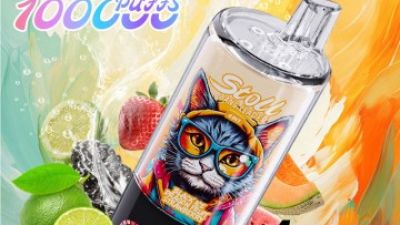
Bang Leader Stoll 100000 Puffs 4in1 Flavors: Insights from Grand View Research and WHO Reports
The 100,000-puff 4-in-1 disposable vape concept reflects broader market trends identified in industry research, including demand for extended battery life, flavor variety, and convenient all-in-one designs. Built with an 850mAh rechargeable battery and a 1.0-ohm quad-mesh coil, this device is designed to deliver consistent vapor production, smooth airflow, and pronounced flavor throughout its service life. Its four-in-one format also supports users who prefer switching between different flavor profiles without carrying multiple devices.
Available in 0%, 2%, 3%, and 5% nicotine strengths, the product can accommodate different preferences, although nicotine-containing options are intended only for adults who already use nicotine. Public-health guidance emphasizes that vaping is not risk-free, nicotine can be addictive, and non-users—especially young people, pregnant individuals, and people who have never smoked—should avoid these products. Consumers should also review local regulations, follow charging and disposal instructions, and purchase only from legitimate sources. Beverages, food products, and vaping liquids should always be kept away from children and pets.
FAQS
: Familiar fruit, mint, cooling, and light dessert profiles may remain popular. Less intense sweetness could gain attention. Preferences will vary.
Cooling flavors may become more precise and softer. Many adult users may prefer freshness without a harsh throat sensation. That pattern is not certain.
Spearmint can feel gentle and slightly sweet. Peppermint often feels sharper and cleaner. Menthol may provide a stronger cooling finish.
A mild mint base with a brief menthol lift could feel balanced. Citrus, herbal, or tea-like notes may add contrast. Small differences matter.
Some adults may choose lighter sweetness after repeated use. Others may still want bold taste. “Less sweet” is not always better.
Clear ingredient lists can support informed decisions. Batch details and visible age restrictions may also build trust. Simple information helps.
No. Search activity may show curiosity rather than purchase intent. Retail sales and repeat preferences provide stronger evidence.
They should use small batches with legal-age adult participants. Testing can track cooling intensity, aftertaste, stability, and repeat choices.
Citrus may attract interest during warmer months, while spice notes may suit colder periods. Climate, culture, and local rules can change this pattern.
Device settings, storage temperature, and individual sensitivity can affect flavor. A profile may taste different after several days. This is easy to overlook.
Conclusion
In 2026, demand for Vape Flavors is expected to be shaped by changing taste preferences, interest in balanced flavor profiles, and a stronger focus on quality and consistency. Fruit flavors will likely remain popular because they offer bright, familiar notes, while combinations such as berry blends, tropical fruits, and citrus-inspired profiles may attract buyers seeking more variety. Dessert and bakery flavors can continue to appeal to those who prefer creamy, sweet, and comforting tastes, especially when the flavor is smooth rather than overly heavy.
Menthol, mint, and cooling profiles are also evolving, with buyers showing interest in adjustable levels of freshness and cleaner finishes. Beverage-inspired options, including tea, coffee, sparkling fruit, and refreshing drink profiles, may gain attention by offering a different sensory experience. Overall, buyers are likely to value accurate flavor descriptions, dependable quality, balanced sweetness, and a broad selection that includes both classic choices and creative combinations. Manufacturers and sellers that prioritize clarity, consistency, and responsible presentation may be better positioned to meet changing preferences.