Choosing reliable Sugar Disposable Vape suppliers isn’t just about comparing prices or picking whatever packaging looks good. For global buyers, it’s more about proof: consistent product, transparent manufacturing, and responsible market practices. A supplier you can actually depend on should be able to hand over batch records, ingredient info, lab test results, battery safety docs, and clear packaging specs. And age-gating plus local compliance? That has to stay front and center in every buying decision.
Ethan Cole, a compliance consultant in the Sugar Disposable Vape space, puts it simply: “Trust begins when a supplier can prove what it sells.” Yep, that one deserves attention. Good suppliers will walk you through their QC process, production capacity, MOQs, and shipping limits before they take an order. They’ll also tell you whether products contain nicotine and whether they can support region-specific labeling. Rules vary a lot, so something that works in one market may need changes somewhere else.
This guide looks at suppliers through practical evidence, not promo talk. It considers factory experience, how fast they communicate, private-label support, sample procedures, and after-sales responsibility. Small stuff matters. A lot number that’s actually readable can make a recall investigation way easier. A damaged carton can hint at weak logistics. No supplier is perfect, and buyers should push back on big promises that haven’t been verified. Yeah, that’s the uncomfortable part.
Some evaluations may still rely on public info that’s incomplete. So buyers should ask for current certificates and independently confirm the critical claims. The point isn’t to encourage careless consumption. It’s to help qualified businesses compare suppliers responsibly, protect customers, and avoid compliance failures they could’ve seen coming. Reliable sourcing takes patience. Shortcuts? They can get expensive.
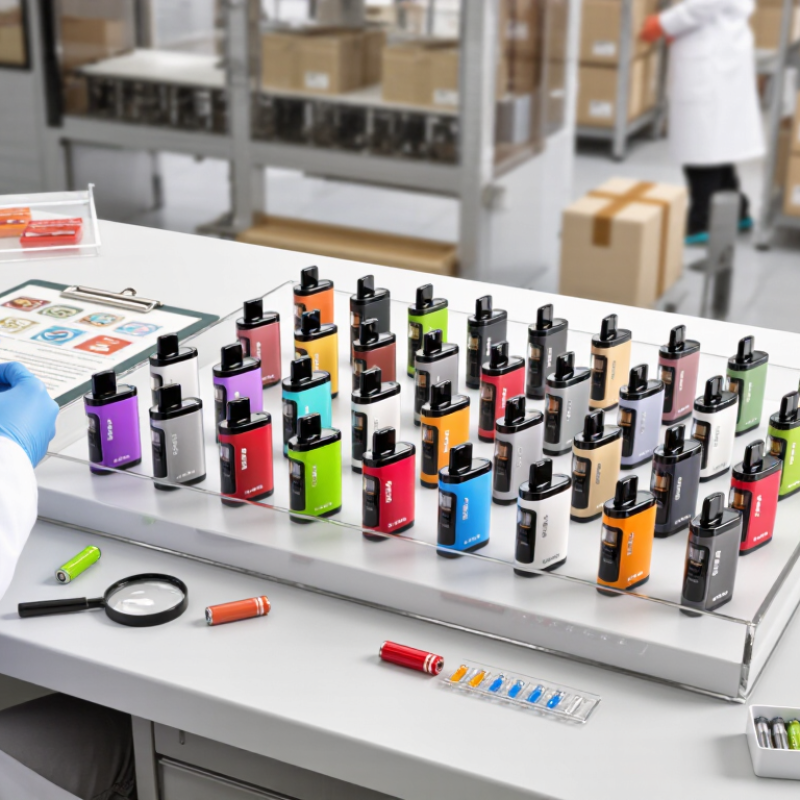
Sugar disposable vapes usually describe sweet flavor profiles, not liquids containing table sugar. Heating real sugar can create harmful by-products and damage the device. Responsible suppliers should provide ingredient disclosures, laboratory testing, batch numbers, and clear age restrictions.
The global market remains difficult to measure. Grand View Research valued the global e-cigarette market at approximately USD 26.7 billion in 2023, with strong projected growth through 2030. However, estimates vary because reports define devices, e-liquids, and accessories differently. The World Health Organization reported about 1.25 billion adult tobacco users worldwide in 2022, while also warning that nicotine products require strict regulation. These figures show demand, not automatic product safety.
For global buyers, compliance should guide sourcing decisions. An ODM Sugar Disposable Vape program may offer custom airflow, packaging, and flavor development, but documentation matters more than appearance. Check nicotine concentration, restricted ingredients, electrical safety records, recycling provisions, and market-specific labeling before ordering. In the EU, the Tobacco Products Directive limits nicotine e-liquid strength to 20 mg/mL and restricts certain marketing practices. Other markets apply different rules, or prohibit disposable products entirely. Confirm current requirements with local counsel and customs authorities. A sweet aroma, matte shell, and bright display can attract attention. They cannot replace testing. I would also question demand forecasts that ignore youth-access controls and waste collection. The market is growing, perhaps too quickly for weak supply chains.
When evaluating international vape suppliers, start with verifiable compliance records. Ask for manufacturing licenses, product specifications, laboratory reports, and market-specific documents. Requirements differ widely between countries, so one certificate rarely proves full compliance. A reliable supplier explains these limits clearly.
Request physical samples before discussing large orders. Inspect the mouthpiece, seal, airflow, flavor consistency, and printed warnings. For an OEM Sugar Disposable Vape, confirm the ingredient list, nicotine declaration, batch code, and production date. Traceability should reach the factory line, not stop at a warehouse. Ask twice.
Supplier experience also matters. Review export history, production capacity, quality-control procedures, and responses to previous complaints. Clear answers are valuable. Vague promises are not. Discuss minimum order quantities, lead times, payment protection, packaging durability, and customs documentation in writing. Independent testing can verify contents and performance, but reports should match the exact model and batch. I would also check whether the supplier supports lawful age controls and responsible distribution in each destination. This step is often overlooked. It should not be. Even careful buyers can miss changing rules, translation errors, or inconsistent labeling. Keep records of every approval, revision, and shipment before releasing payment.
Key criteria for evaluating international vape suppliers
The chart presents a practical 100-point buyer scorecard. Regulatory compliance and product quality receive the highest weighting because destination-market rules, nicotine limits, labeling, testing, and manufacturing consistency directly affect importability and consumer safety. Buyers should verify each criterion against the laws and documentation requirements of the target market.
Global buyers need more than attractive packaging when assessing sugar disposable vape suppliers. Regional regulations, testing records, and shipping practices can change the purchasing decision. Suppliers serving North America should provide age-gated sales systems, ingredient disclosures, and batch-level laboratory reports. Documentation matters.
European-focused suppliers often need stronger evidence of nicotine limits, labeling accuracy, and recycling procedures. Buyers should check whether product files match each destination market. A supplier experienced in the Middle East may offer heat-resistant packaging and carefully sealed cartons. Humid coastal routes expose weak packaging quickly. Small details matter.
In Southeast Asia, buyers may prioritize flexible order quantities, local-language labels, and responsive after-sales support. Specialty suppliers may focus on flavor consistency, compact devices, or private-label production. A reliable supplier should explain battery testing, leak checks, storage conditions, and recall procedures. Ask for recent certificates, not old samples. The phrase Best Sugar Disposable Vape can attract searches, but quality claims still require evidence. I would compare three production batches before placing a large order. Even then, uncertainty remains. Suppliers sometimes describe compliance more confidently than their records justify. Independent verification protects buyers, distributors, and adult consumers.
Product quality should be judged beyond attractive packaging. Reliable suppliers provide batch numbers, ingredient disclosures, and independent laboratory reports.
Inspect the device body for clean seams, secure mouthpieces, and consistent airflow. A practical sample test should check vapor output, battery stability, leakage, and flavor accuracy from the first puff to the last.
Small faults matter. They often reveal weak process control.
Flavor selection needs balance, not endless options. Professional suppliers usually offer tested profiles, including fruit, mint, dessert, and neutral choices.
Ask how sweeteners, cooling agents, and flavor concentrates are controlled. The flavor should remain stable during storage and transport.
Samples can taste excellent on day one, yet change after several weeks. That risk deserves attention.
Products must also meet the applicable safety, labeling, age-control, and import requirements in each destination market.
Tips: Request samples from different production batches. Compare their airflow, taste, charging behavior, and packaging quality.
Ask for current certificates, factory audit records, and corrective-action reports. Confirm that manufacturing follows documented quality systems, with traceable materials and final inspections.
Do not rely on polished presentations alone. A supplier may have impressive equipment but inconsistent records. Leave room for doubt, and verify every important claim.
Global buyers should evaluate sugar-flavored disposable vape suppliers through compliance, not appearance or price. Product legality differs sharply between countries and even between regions. Check whether the destination permits the product, flavor category, nicotine level, and disposable format. Confirm local registration duties before placing a purchase order. A supplier’s website is not enough.
Reliable suppliers should provide complete technical files for each model. These may include ingredient details, safety data sheets, laboratory reports, batch records, and quality-management evidence. Battery-powered products may also require transport documentation, lithium battery test summaries, and packaging checks. Depending on the market, buyers may need conformity documents covering electrical safety, electromagnetic compatibility, restricted substances, or consumer protection rules. Certificates must match the exact model, factory, and production date.
Labeling creates frequent problems. Verify warning statements, language requirements, importer details, lot numbers, capacity information, and recycling marks. Customs brokers may also request accurate HS classification, commercial invoices, packing lists, and country-of-origin documents. Never accept copied certificates without checking the issuing laboratory. A certificate can look convincing and still be incomplete. Requirements also change, so an old compliance file may no longer protect a shipment. Build a destination-specific checklist, request pre-shipment samples, and keep written records of every approval. Mistakes happen, especially when suppliers reuse templates. That is why independent testing remains worth the extra time and cost.
Global buyers should assess disposable vape suppliers through pricing, minimum orders, shipping, and after-sales support. Request a detailed quotation, not only a unit price. Compare device specifications, packaging, testing documents, and total landed cost. A low price may hide higher freight or customs expenses. For Sugar And Vapor sourcing projects, ask whether products meet destination-market rules and age-control requirements.
Minimum order quantities vary by customization level. Stock designs may require fewer units, while private packaging often needs larger production runs. Begin with samples and a small compliant order. This reduces risks before committing to volume. Confirm production timing, payment stages, inspection options, and replacement terms in writing. Some suppliers promise fast delivery, but factory schedules can shift.
Shipping deserves careful review. Confirm Incoterms, courier restrictions, battery documentation, export papers, and import responsibilities. Use tracked logistics and request carton dimensions before payment. After-sales support should include a clear defect rate, response deadline, and evidence process. Ask how faulty units are replaced or credited. Batch records and quality reports show professional control. My own caution is simple: written promises still need testing. A supplier may appear reliable until the first damaged carton arrives. Check communication during the sample stage, because that experience often predicts later support.
Request batch numbers, ingredient details, and independent laboratory reports. Inspect clean seams, secure mouthpieces, and steady airflow. Small faults matter.
Test vapor output, battery stability, leakage, and flavor accuracy. Compare performance from the first puff to the last. Do not trust one sample alone.
Look for balanced fruit, mint, dessert, and neutral profiles. Ask how sweeteners and cooling agents are controlled. Too many options may signal weak consistency.
Yes. A sample may taste good on day one, then change weeks later. Test samples from different batches and storage periods.
Request technical files, ingredient details, safety data sheets, laboratory reports, and batch records. Battery products may need transport and safety documentation.
Check that each certificate matches the exact model, factory, and production date. Confirm the issuing laboratory independently. Polished files can still be incomplete.
Verify warnings, local languages, importer information, lot numbers, capacity details, and recycling marks. Customs may also request invoices, packing lists, and origin documents.
Request a detailed quotation covering products, packaging, testing, freight, and customs costs. Start with samples and a small compliant order. Large orders can wait.
Confirm Incoterms, battery paperwork, export documents, carton dimensions, inspection options, and delivery timing. Put defect rates, response deadlines, and replacement terms in writing. Mistakes still happen.
This guide explains how Sugar Disposable Vape products fit into the growing international vaping market and what global buyers should consider when selecting reliable suppliers. It outlines practical evaluation criteria, including product consistency, flavor variety, manufacturing transparency, quality-control procedures, communication, and regional specialization. Buyers can also compare suppliers by production capacity, customization options, packaging capabilities, and experience serving different markets.
The article further reviews important purchasing factors such as ingredient disclosure, laboratory testing, applicable certifications, import documentation, and compliance with destination-country regulations. It also discusses pricing structures, minimum order quantities, shipping arrangements, lead times, warranty policies, and after-sales support. By reviewing these areas systematically, wholesalers and distributors can reduce sourcing risks, select suitable products for their markets, and build more dependable international supply relationships while ensuring that all transactions follow local laws and responsible business standards.