WARNING: This product contains Nicotine. Nicotine is an addictive chemical.
Our products are restricted to adults 21+ only.

Leave Your Message
The global market for Electronic Liquid Cigarettes has witnessed remarkable growth in recent years, driven by increasing consumer awareness of health issues related to traditional smoking. According to a report by Fortune Business Insights, the electronic cigarette market is projected to reach USD 67.31 billion by 2027, growing at a CAGR of 23.8% during the forecast period. This shift towards electronic alternatives reflects a broader trend among consumers seeking innovations that provide a potentially less harmful experience compared to conventional cigarettes. The rise of Electronic Liquid Cigarettes is redefining smoking habits, attracting a younger demographic eager for a modern approach to nicotine consumption.
At Depango E-commerce (Dg) Co., Ltd., we recognize this dynamic shift in the market and are committed to being at the forefront of this transformative journey. With a dedicated and energetic team that embraces innovation and social responsibility, we aim to provide high-quality electronic liquid solutions that cater to the evolving preferences of consumers. As we navigate this rapidly developing industry, our rich operational experience and scientific management system enable us to adapt and thrive amidst the challenges, ultimately contributing to a healthier alternative for smokers worldwide.

You know, the whole rise of e-cigarettes is pretty fascinating. It’s like we've turned a corner in the smoking world, offering a modern take on what it means to smoke. These electronic cigarettes have really taken off, mainly because a lot of folks believe they're less harmful compared to the usual tobacco products. They manage to deliver nicotine without burning tobacco, which is kind of a big deal. As everyone becomes more aware of the health risks associated with smoking, e-cigarettes seem to present a less harmful way for smokers to get their nicotine fix—especially if they’re trying to kick the traditional cigarette habit altogether. Recent research has started to unpack what vaping really means for our health. It’s a mixed bag, honestly. While many think e-cigarettes are the safer option, they come with their own set of issues. It's super important to grasp the safety aspect of these products, especially since the FDA is now treating newer devices, like IQOS—which heats tobacco instead of burning it—like cigarettes, putting them under the same rules and regulations. This shift really shows how our understanding of nicotine delivery methods is changing and makes you wonder about the long-term effects of using these gadgets. For lots of people, what’s really appealing about vaping is how easy it is and the endless flavors you can choose from. It’s a tempting option for anyone trying to quit smoking. But here’s the kicker: you’ve got to stay informed about the science behind e-cigarettes. Sure, they might help some people stop smoking, but we can’t ignore the possible health risks involved. The conversation keeps evolving as researchers dig deeper into the safety and effectiveness of these modern alternatives for getting our nicotine fix.
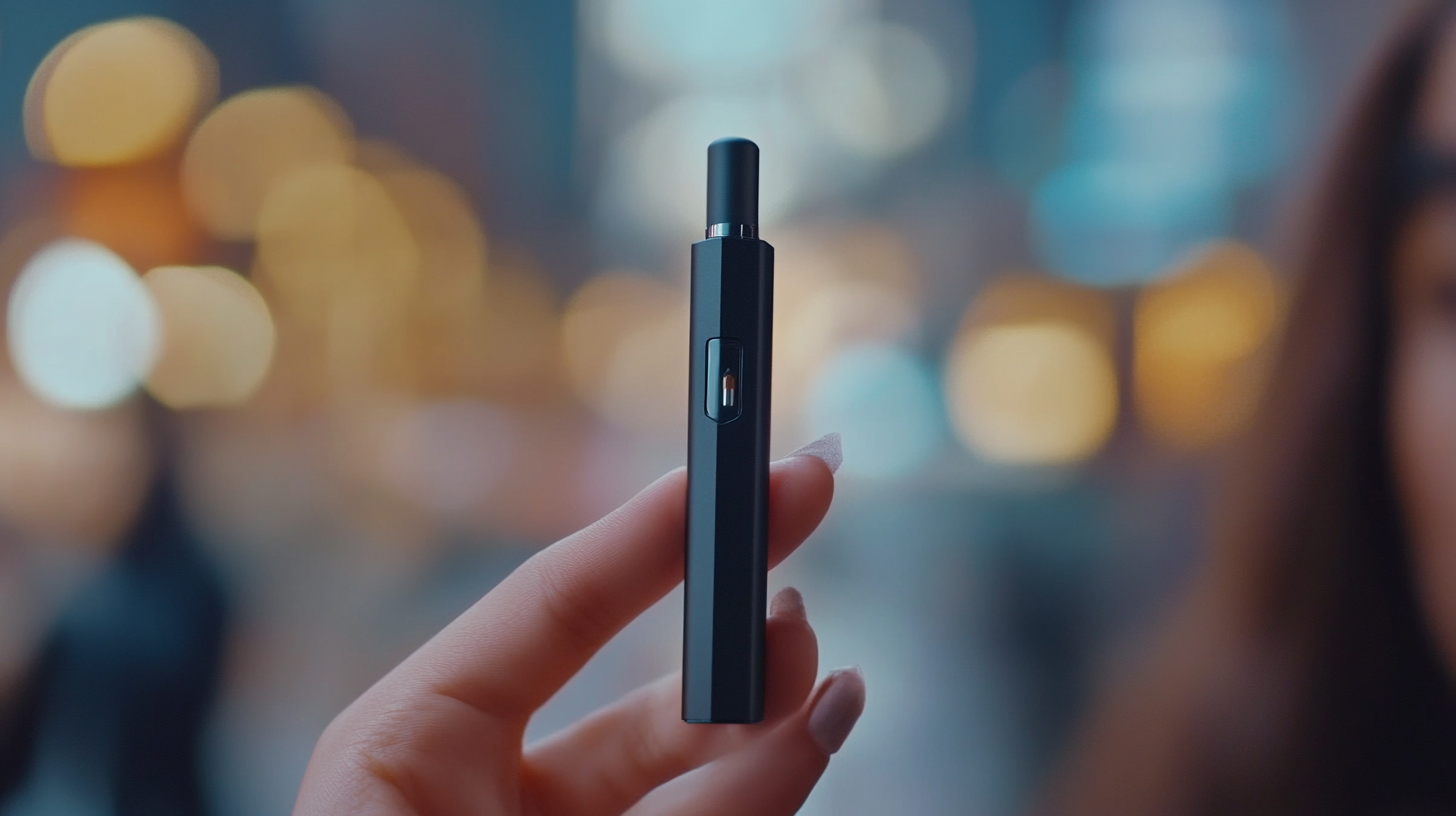
You know, when you think about how e-cigarettes—often called vape pens—work, you realize they’re pretty different from your usual ciggies. Instead of burning tobacco, e-cigarettes use a battery to heat up a liquid, which we usually call e-liquid or vape juice. This juice typically has nicotine, flavoring, and some other chemicals mixed in. It’s no surprise that a report from the National Institute on Drug Abuse showed around 34% of teens in the U.S. were using e-cigarettes in 2021. It’s definitely a trend among younger folks.
So, what’s going on inside one of these gadgets? Well, it all boils down to a few key parts: the power source, the atomizer, and the liquid cartridge. The atomizer's job is to heat that e-liquid until it turns into a vapor that people can inhale. Interestingly, a study in the journal Tobacco Control found that e-cigarettes tend to produce fewer harmful substances compared to traditional tobacco smoke, which has over 7,000 chemicals and lots of them are really toxic. Because of this, many smokers have decided to make the switch to vaping, seeing it as a safer option.
But hey, there’s a lot of chatter about safety when it comes to e-cigarettes, yet they’ve really made a dent in the tobacco market. Just look at the numbers: the World Health Organization reported that in 2020, the global market for e-cigarettes was worth about $12.41 billion and it’s expected to keep growing. As technology advances, companies are rolling out fancy features like temperature control and customizable settings, which really cater to a wider crowd and offer an experience that just isn’t quite the same as traditional smoking.

You know, there’s been quite a buzz lately about the whole smoking versus vaping situation, especially as more people look for healthier ways to deal with nicotine. Traditional smoking is pretty harmful, right? With that combustion process, you’re not just dealing with smoke—it’s packed with all sorts of nasty stuff like tar and carcinogens that can lead to serious health problems such as lung cancer, heart disease, and all kinds of respiratory issues. And it's not just about the smoker, either. Secondhand smoke can be a real danger for everyone around too, which is just awful.
Now, on the flip side, we have vaping, which has a different game plan. Instead of smoke, these electronic cigarettes heat up a liquid solution that usually has nicotine, some flavorings, and a mix of other chemicals to create an aerosol. So, because of that, vaping tends to expose users to fewer harmful substances. Sure, it’s not entirely without its own set of risks, but emerging studies are hinting that it could be less toxic than traditional smoking, which might help reduce those smoking-related diseases we hear about so often. That said, it’s super important to note that vaping still carries risks, especially for young people whose lungs and brains are still growing.
At the end of the day, it’s really up to each person to think about the potential health impacts of both smoking and vaping. Being informed is key! As researchers keep digging into the long-term effects of vaping, we're in a pretty ever-changing space when it comes to smoking alternatives. It really highlights how vital it is for all of us to stay educated and aware.

You know, the whole move from traditional smoking to electronic liquid cigarettes has really changed the game when it comes to how people enjoy nicotine. I mean, think about it—the flavors are just endless! There are fruity ones, sweet options, minty blasts, and even dessert-like combos that’ll make your mouth water. This variety not only makes vaping way more fun but also pulls in newcomers who might’ve steered clear of regular cigarettes because, let’s be honest, they’re pretty boring taste-wise.
And customization? That’s another biggie that makes liquid cigarettes stand out from the old-school smokes. Vapers can tweak the nicotine levels to fit their vibe or even help them ditch nicotine completely. Plus, the whole mixing flavors thing is super creative; it’s like being a mad scientist in the kitchen, whipping up your own special blend. When you can create something that truly matches your personal taste, it’s way more meaningful and gives you a real sense of ownership over your smoking experience.
What’s cool too is that this lively mix of flavors and the ability to customize doesn’t just make for a more satisfying experience—it can actually encourage safer smoking habits. With all these awesome options, folks can transition away from tobacco and those nasty additives much easier. So, they get to explore a ton of flavors, ditch the traditional cigs, and maybe even lower their health risks—all while having a blast with their personalized vaping journey.
You know, as more people are chatting about smoking these days, the environmental effects of regular cigarettes are really being called into question. It's kind of interesting how e-cigarettes, or those electronic liquid cigarettes, are stepping up as a more appealing option that might be a win-win for both users and the planet. Take a look at this study from "Tobacco Control"—it points out that making traditional cigarettes actually leads to deforestation and produces a huge amount of carbon emissions. Plus, we can't forget about those pesky cigarette butts; they take years to break down and end up polluting our oceans and rivers.
On the flip side, e-cigarettes aren't made with as many ingredients and they go for vapor instead of smoke. A report by the "British Medical Journal" highlights that the waste from e-cigarettes is way less intense, with the main things to deal with being the cartridges and batteries. And get this: switching from regular tobacco to e-cigarettes could cut the tobacco industry's environmental impact by about 39% when it comes to greenhouse gas emissions, according to a 2020 analysis from the Oxford University Clinical Research Unit.
Plus, using e-cigarettes can really help reduce the nasty chemicals that get dumped into our environment. Traditional cigarettes release over 7,000 chemicals when puffed on, and many of those are pretty toxic, contributing to both air and soil pollution. But with e-cigarettes, those harmful emissions are drastically reduced, which is awesome for cleaner air initiatives in city areas. This switch isn't just about giving people a less harmful option—it's also in line with the larger movement toward being more sustainable and responsible when it comes to our environment.
You know, with e-cigarettes really taking off lately, it's super important to get a grip on the rules and regulations around them. Governments everywhere are trying to figure out how to tackle this trend, balancing what’s good for public health with what people want to choose for themselves. The problem is, each country seems to have its own way of handling it, which can make things really confusing for everyone involved—both the folks making these products and the ones using them.
In a lot of places, the laws cover a bunch of stuff related to e-cigarettes, like who can buy them, how they can be marketed, and what safety measures need to be in place. For example, some countries are pretty strict about who can buy e-cigarettes, setting age limits that can be tough to keep up with. On the flip side, there are places where certain flavorings that appeal to younger people are completely banned. Plus, many regulations require companies to spill the beans on what’s in their e-liquids, so consumers know exactly what they’re inhaling, which is pretty important.
Honestly, trying to navigate all these rules can be a real headache for people looking to try out alternatives to smoking. It’s crucial for users to stay on top of the local laws so they don’t accidentally run into trouble. And manufacturers? Well, they’ve got to keep shifting to meet the ever-changing regulations, which can seriously mess with how they develop and market their products. As the whole e-cigarette scene keeps changing, there are constant conversations about safety and rules that’ll shape where things go from here and how society looks at these electronic cigarettes.
Vaping has surged in popularity as an alternative to traditional smoking, but it is also surrounded by a cloud of misconceptions. One of the most persistent myths is that vaping is just as harmful as smoking cigarettes. While it’s true that both activities involve inhaling substances, the differences in their compositions are significant. Traditional cigarettes release thousands of toxins through the combustion of tobacco, while electronic liquid cigarettes, or e-cigarettes, typically contain fewer harmful chemicals—often just nicotine, flavorings, and a base liquid like propylene glycol or vegetable glycerin.
Another common myth is that vaping is a gateway to smoking for young people. Proponents of this idea argue that those who start vaping are more likely to transition to traditional cigarettes. However, recent studies have shown that the majority of young vapers are not former smokers. In fact, many young people are choosing vaping as a less harmful alternative, often driven by a desire to avoid the health risks associated with combustible tobacco. Instead of being a gateway, vaping may serve as a bridge away from traditional smoking by providing a less harmful option.
Concerns about health risks related to vaping also frequently arise, particularly regarding lung health. While it is crucial to remain vigilant about the potential long-term effects of vaping, preliminary research indicates that e-cigarettes are likely less harmful than their traditional counterparts. As more studies emerge, the narrative surrounding vaping continues to evolve, challenging misconceptions and paving the way for informed discussions about its role in harm reduction.
As we dive into the world of smoking alternatives, it's pretty striking to see how electronic liquid cigarettes are reshaping consumer habits. Even though fewer people are picking up traditional smokes these days, the tobacco industry is still hanging in there, thanks to population growth. Looking ahead to 2024, the market for heated tobacco products is expected to hit around $260 billion, with a solid annual growth rate of 7.9% projected all the way through 2033. This certainly shows that more folks are warming up to smoke-free options.
Recently, countries are making some pretty significant moves when it comes to regulations. For instance, Canada is stepping up its game with stricter warning labels, while Indonesia's upped the minimum age for buyers. These changes really highlight the commitment to public health and are nudging tobacco companies to think differently—to innovate with reduced-risk products. At the 2024 UK Vaping Summit, there was a lot of exciting talk about how electronic cigarettes could serve as genuine alternatives to traditional products. Plus, China is really making waves in the e-cigarette scene, with exports driving about 85% of its market volume—talk about strong international demand!
And you know what? The ever-changing world of e-cigarettes is showing a steady but noticeable rise in users. As the industry shifts gears, both consumer preferences and regulatory developments are going to play a significant role in how tobacco companies approach their strategies. All of this hints at a major shift in how we view smoking alternatives, paving the way for what could be a smoke-free future.
Electronic cigarettes, or e-cigarettes, are battery-powered devices that vaporize a liquid solution (e-liquid) containing nicotine, flavorings, and other chemicals, providing an alternative to traditional tobacco smoking.
E-cigarettes work by utilizing a power source to heat an atomizer that converts e-liquid into aerosol, which users then inhale.
Studies suggest that e-cigarettes produce fewer harmful substances compared to traditional cigarettes, which contain over 7,000 chemicals, making them a potentially less harmful alternative for smokers.
The global e-cigarette market was valued at approximately $12.41 billion in 2020 and is projected to grow significantly in the coming years due to increasing popularity and innovation.
Regulations vary by country and can include age restrictions, advertising regulations, and safety requirements, aimed at addressing public health concerns and consumer choice.
Understanding local regulations is crucial for users to navigate potential legal issues related to the purchase and use of e-cigarettes.
Manufacturers are creating advanced features such as temperature control and customizable settings to enhance the vaping experience and attract a wider audience.
Manufacturers must continuously make adjustments to product development and marketing strategies in response to evolving regulations regarding e-cigarettes.
Many regions have imposed strict age limits and flavoring bans to limit the appeal of e-cigarettes to younger audiences due to concerns about their health effects.
Regulations may require manufacturers to disclose the ingredients of their e-liquids, ensuring consumers are informed about what they are inhaling.