WARNING: This product contains Nicotine. Nicotine is an addictive chemical. 
Our products are restricted to adults 21+ only.

Leave Your Message
0%

Finding legit wholesale Vapes in 2026 isn't just about comparing prices or falling for those eye-catching packaging. If you're buying responsibly, you really need to do your homework—check the legal status, ask for proper documentation, and scrutinize your supplier’s practices before hitting that buy button. Oh, and keep in mind, rules vary a lot—by country, state, even city. So, treat every claim with a grain of salt until you've got solid proof.

Don’t hesitate to ask your suppliers for current lab reports, ingredient lists, nicotine strength info, manufacturing details, and batch tracking. It’s also crucial to verify if each product is actually approved for sale in your target market. And of course, the packaging should display all the required warnings, age restrictions, recycling info, and clear manufacturer details. A trustworthy supplier shouldn’t hesitate to walk you through their quality process. Be sure to ask about recalls, how they handle complaints, storage conditions, and shipping records. And definitely keep copies of all these documents—skimping on details now might turn into big headaches later.

Now, be careful with search terms—they can be pretty confusing. Phrases like “beste vaporizer,” “best small vapers,” “custom disposable vape,” “best electronic cigarette battery,” or “wholesale vape pod pen” don’t always mean the same thing or mean you're looking at legit products. Also, don’t take “Wholesale I Vape” as any kind of stamp of approval or credibility. Claims about how well a product performs? They need independent backing, not just some slick photos.

When you get samples, inspect them carefully—look for damaged seals, blurry labels, mismatched batch numbers, or odd smells. Never accept products that aren’t legally sellable in your area. A written compliance checklist is a good start, but it’s no substitute for professional legal advice. I’ve seen folks focus too much on unit prices and overlook testing validity—big mistake, though totally understandable. The thing is, reliable purchasing takes a bit more time and effort—it’s slower, more thorough, and yes, sometimes less convenient—but that’s kind of the point.
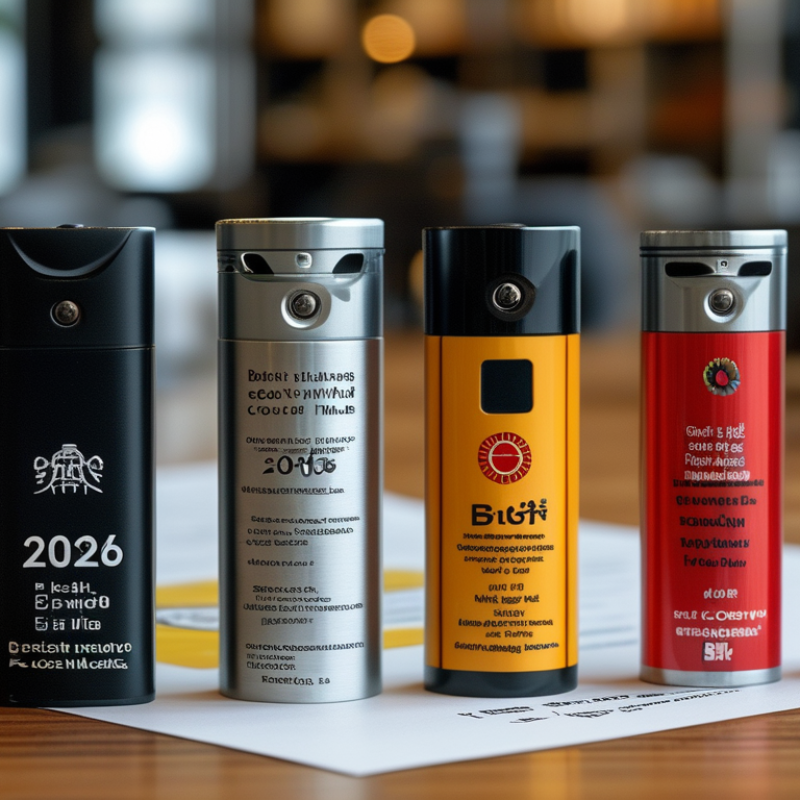
How to Find Compliant Wholesale Vapes in 2026?

Define What “Compliant” Wholesale Vapes Mean in 2026

A compliant wholesale vape in 2026 is not simply a product with attractive packaging. It must be legally authorized in the destination market, age-restricted, traceable, and supported by complete records. Requirements differ by country, state, and product type. In the United States, suppliers should verify applicable FDA marketing authorization, manufacturing documentation, nicotine warnings, and tax records. In the European Union, wholesalers should check Tobacco Products Directive limits, including the 20 mg/mL nicotine cap and container rules.

The health context also matters. The CDC and FDA reported 1.63 million U.S. middle and high school students used e-cigarettes in 2024, representing 5.9% of students. That figure makes youth-prevention controls essential. A responsible wholesaler should use age-verification systems, neutral packaging, secure delivery checks, and documented retailer screening. Keep every batch number visible.

Supplier evidence should include laboratory test results, ingredient lists, certificates of analysis, recall procedures, and invoices linking products to a verified manufacturer. I would not rely on a certificate alone. Documents can be outdated, incomplete, or copied. Check issue dates, testing methods, and the laboratory’s credentials. WHO guidance also emphasizes product regulation, disclosure, and monitoring, but compliance is not a universal label. It is a documented process that must be reviewed whenever rules change.

How to Find Compliant Wholesale Vapes in 2026?

Define What “Compliant” Wholesale Vapes Mean in 2026

A compliant wholesale vape must satisfy the rules of the destination market, including product authorization, lawful ingredients, packaging and health warnings, age-restricted sales, taxation, shipping requirements, and required records. The chart compares national or regional maximum nicotine concentrations where a statutory limit exists.

Sources: European Union Tobacco Products Directive 2014/40/EU, UK Tobacco and Related Products Regulations 2016, Canada Vaping Products Labelling and Packaging Regulations, and U.S. FDA tobacco-product requirements. U.S. federal law does not establish a general maximum nicotine concentration; products still require applicable FDA marketing authorization and must comply with federal and state rules. Local regulations should be verified before purchasing or distributing wholesale products.

Identify the Laws and Standards That Apply to Your Market

When sourcing compliant wholesale vapes in 2026, start with the destination market, not the supplier catalog. A product lawful in one jurisdiction may be restricted elsewhere. Check national rules, regional requirements, and municipal sales conditions. Confirm whether your market permits the product category, nicotine strength, flavors, and online distribution. Record each source and its publication date. Laws can change quickly. Yesterday’s guidance may be outdated.

Ask suppliers for complete compliance files, including ingredient lists, manufacturing details, laboratory reports, batch numbers, and packaging specifications. Verify required product registrations or notifications with the relevant authority. Check warning labels, language rules, recycling marks, and child-resistant packaging requirements. Do not rely on screenshots alone. Match every certificate to the exact product, batch, and factory. Small differences can matter.

Build a market-specific checklist before placing a wholesale order. Include import documents, age-verification controls, storage conditions, advertising limits, and recall procedures. Independent testing can help confirm emissions, materials, and nicotine accuracy. However, testing does not replace legal approval. Ask a qualified local adviser to review unclear points. Keep written answers from regulators and suppliers. In practice, the weakest link is often poor recordkeeping. No checklist is perfect. I would rather delay a shipment than assume compliance from a polished sales file.

Verify Product Authorizations, Ingredients, and Safety Documentation

Finding compliant Wholesale Vape Pens in 2026 starts with evidence, not packaging. Ask suppliers for authorization numbers, product names, device models, and market-specific approval records. Confirm every detail through the relevant regulator’s public database. A certificate copied into a PDF is not enough. Check its issue date, testing laboratory, product batch, and legal manufacturer.

Ingredients require equal attention. Request a complete ingredient list, nicotine concentration, flavoring details, and allergen information. Compare these records with independent laboratory results. The 2024 National Youth Tobacco Survey reported that 1.63 million U.S. students used e-cigarettes. This figure reinforces why age controls, clear labeling, and responsible distribution matter. Safety files should include battery testing, leakage checks, charging instructions, and chemical analysis. Missing data is a warning sign.

Tips: Keep one evidence folder per product. Match the box, invoice, batch code, and laboratory report. Ask suppliers to explain inconsistent documents in writing. Do not rely on unusually low prices. The European Chemicals Agency also emphasizes traceable substance information and hazard communication. Procurement teams should review documents before payment, not after delivery. I have seen polished compliance packs with expired reports; visual confidence can be misleading. Regulations and product approvals can change, so even a familiar supplier deserves fresh verification.

Screen Wholesale Suppliers for Licensing and Business Transparency

How to Find Compliant Wholesale Vapes in 2026?

A compliant wholesale supplier should provide clear licensing records before discussing prices. Ask for the company’s registration, tax details, and warehouse address. Verify each document through the relevant government database, not only through a sales representative. A professional supplier should explain product authorization, age-verification procedures, and local shipping restrictions. They should also identify the responsible importer or distributor. Vague answers are a warning sign. So are unusually low prices.

Tips: Request current certificates, written compliance policies, batch records, and a sample invoice. Check whether the legal company name matches the bank account and website. Search the address on a map. A real warehouse should not look like a private mailbox. Keep every email and document in one dated folder. This simple habit can protect your business during an audit.

Transparency also includes pricing. A search for “Vape Wholesale Usa Discount Code” may reveal attractive offers, but a discount cannot replace supplier verification. Ask whether taxes, testing fees, shipping limits, and minimum orders are clearly stated. Confirm that products are intended for legal sale in your specific state or market. Review packaging and labeling before placing a large order. I have found that checklists improve consistency, yet they can create false confidence. Documents may expire, and databases may update slowly. Recheck critical information before each major purchase.

Check Packaging, Labeling, Tax, and Age-Verification Requirements

In 2026, sourcing compliant Wholesale Disposable Vape Pens requires more than comparing unit prices. My purchasing checks begin with the destination market, not the supplier’s catalogue. Rules can differ by country, state, or province. I request current product registrations, laboratory reports, and written compliance declarations. Then I verify them through official government databases where available. A polished certificate is not proof by itself. I have learned that paperwork can become outdated quickly.

Packaging should show required warnings, nicotine information, ingredients, batch details, and responsible-party data. The text must be legible, durable, and presented in the required local language. I inspect sealed cartons for mismatched batch codes or blurred printing. Label claims need careful review. Flavors, health statements, and device specifications may face restrictions. When uncertain, I pause the order and ask a qualified local compliance adviser. That delay is cheaper than a rejected shipment.

Tax control deserves equal attention. Match invoices, excise documents, tax stamps, and declared quantities before payment. Keep records that connect each carton to its supplier and shipment. Your sales process should verify age reliably, including delivery attempts and failed checks. Do not accept a simple birth-date box as sufficient protection. I still find this area easy to underestimate. Laws change, and internal checklists need scheduled reviews. A small compliance file, updated monthly, supports more defensible wholesale decisions.

How to Find Compliant Wholesale Vapes in 2026? - Check Packaging, Labeling, Tax, and Age-Verification Requirements

Compliance Area Requirement to Check in 2026 Evidence to Request from the Wholesaler Common Warning Sign
FDA market authorization A new tobacco product, including most electronic nicotine-delivery products introduced after February 15, 2007, generally requires FDA authorization before it may be legally marketed in the United States. A verifiable FDA marketing authorization reference or documentation showing the product is covered by an applicable FDA marketing order. The seller provides only a laboratory report, certificate of analysis, or “FDA registered” statement instead of proof of marketing authorization.
Manufacturer and importer records Manufacturers and importers of regulated tobacco products must meet applicable FDA establishment-registration, product-listing, and recordkeeping obligations. Legal manufacturer and importer details, establishment information, product specifications, batch records, and a written supply-chain traceability policy. No identifiable importer, incomplete product records, or shipping documents that do not match the package.
Nicotine warning Covered tobacco-product packaging and applicable advertisements must display the required warning: “WARNING: This product contains nicotine. Nicotine is an addictive chemical.” High-resolution packaging artwork and photographs showing the warning on the required principal display panels in the required size, placement, contrast, and legibility. Small, hidden, low-contrast, altered, or incomplete warning language.
Packaging and child resistance Liquid nicotine containers and applicable covered products must comply with child-resistant packaging requirements. Packaging should also prevent leakage and provide clear product information. Child-resistant packaging test documentation, package construction details, tamper-evidence information, and leakage-control specifications. Open bottles, leaking cartridges, loose components, or packaging that can be easily opened by children.
Product labeling Labels should accurately identify the product, nicotine content, net contents, ingredient information where required, manufacturer or importer, lot or batch code, and applicable warnings. Final label proofs, ingredient list, nicotine-strength test results, net-content records, lot-code format, and a recall contact procedure. Unlabeled units, inconsistent nicotine-strength claims, missing lot codes, or labels that make therapeutic or cessation claims.
Ingredient and emissions controls The product should be supported by documented ingredient specifications and quality controls. Avoid products containing prohibited or undeclared substances and products with unsubstantiated health claims. Current certificate of analysis, ingredient specifications, contaminant testing, manufacturing quality procedures, and adverse-event escalation records. “Detox,” “safe,” “quit smoking,” or disease-treatment claims without regulatory support.
Federal excise-tax review Wholesale buyers should confirm whether any federal excise-tax obligation applies to the product category and transaction structure. Do not assume that a supplier’s invoice includes every required tax. Tax classification, invoice tax breakdown, applicable federal guidance, and written confirmation of who is responsible for filing and payment. A vague “tax included” statement with no tax type, rate, jurisdiction, or supporting invoice detail.
State and local vape taxes Vape and other tobacco-product taxes vary by state and may be imposed on wholesale price, purchase price, quantity, or retail sales. Some jurisdictions also require registration, permits, reporting, or tax stamps. Destination-state tax calculation, current rate source, tax permit information, tax-stamp records where applicable, and compliant invoices. One nationwide tax rate applied to every shipment or a refusal to identify the destination-state tax treatment.
Wholesale licensing The wholesaler and buyer may need state or local tobacco, vapor-product, seller, sales-tax, or business licenses. Requirements differ by shipping origin and destination. Current licenses, permit numbers, issuing jurisdictions, renewal dates, and confirmation that the licenses cover wholesale distribution. Expired permits, mismatched legal entities, or licenses that cover retail sales only.
Minimum purchase age Federal law prohibits retailers from selling tobacco products, including covered electronic nicotine products, to anyone under 21. State and local rules may impose additional obligations. Written age-policy, staff-training records, age-verification procedure, and documentation showing that the sales channel blocks underage purchasers. “Adult signature” alone is treated as sufficient without identity and age verification.
Online and remote-sales verification Internet and delivery transactions should use reliable third-party or government-document-based age and identity checks where required, with delivery controls and transaction records. Verification workflow, failed-verification rules, delivery-age procedure, audit logs, privacy policy, and record-retention schedule. A simple date-of-birth pop-up, unchecked self-attestation, or delivery without adult identification.
PACT Act and shipping Remote sellers of electronic nicotine-delivery products may have federal registration, reporting, tax-collection, labeling, and delivery obligations. Shipment restrictions can also apply, including carrier limitations. PACT Act registration or compliance assessment, state reporting plan, tax records, shipping policy, and carrier acceptance confirmation. The supplier promises delivery through a carrier that does not accept the product or cannot explain remote-sale obligations.
State product restrictions States and localities may restrict flavors, disposable products, nicotine concentration, product types, online sales, or permitted sellers. Compliance must be checked for the actual destination. Destination-state and local-law review, restricted-product screening, shipment-blocking rules, and a regularly updated compliance matrix. The supplier claims that federal legality automatically makes the product legal in every state and city.
Recordkeeping and recall readiness Maintain invoices, lot numbers, supplier details, tax records, age-verification records, complaints, and recall procedures for the period required by applicable law. Written retention policy, electronic traceability system, complaint log, recall contact list, and sample lot-to-customer transaction report. No lot tracking, cash-only transactions without invoices, or inability to identify downstream purchasers.
Final buyer approval Approve a product only after packaging, authorization, tax, licensing, destination-state restrictions, and age-verification controls have been independently reviewed. Completed supplier questionnaire, compliance checklist, document-expiration calendar, and written approval from the responsible compliance manager. The purchase decision is based only on low price, fast shipping, or a generic “compliant” certificate.

Regulatory requirements can change by product type, state, locality, and transaction method. Confirm the current rules with the relevant federal, state, and local authorities before purchasing or distributing products.

Create a Process for Ongoing Compliance Monitoring and Recordkeeping

A compliant Vape Wholesale process begins with a documented supplier file. Record the supplier’s legal entity, licenses, product authorization evidence, testing documents, and business address. Check every product against the relevant regulator’s public database. Do not rely on screenshots alone. Save dated copies in a controlled folder.

This matters because the FDA and CDC’s 2024 National Youth Tobacco Survey estimated that 1.63 million U.S. students used e-cigarettes. Compliance teams should therefore verify age-gated sales controls, packaging, labeling, and marketing claims. WHO’s 2024 global tobacco trends report estimated 1.25 billion adult tobacco users worldwide in 2022. Rules still differ by jurisdiction. Create a country-by-country approval matrix.

Keep a product register with batch numbers, purchase dates, quantities, and destination markets. Review supplier documents monthly, and repeat authorization checks quarterly. Set alerts for license expiry, formulation changes, recalls, and regulatory updates. Retain invoices, emails, test reports, and inspection notes for the legally required period. Use access controls and version history.

Our first spreadsheet failed.

It lacked a clear owner.

A better system assigns one person to approve suppliers and another to review evidence. Conduct a small internal audit each month. Compare three invoices with warehouse records, then investigate every mismatch. The process may feel repetitive, but missing records can weaken an otherwise reasonable compliance decision.

Sources: FDA/CDC National Youth Tobacco Survey 2024; World Health Organization, Global Report on Trends in Prevalence of Tobacco Use 2000–2030, 2024.

Wholesale Champagne 24,000-Puff Disposable Vape: Features, Value, and Buying Guide

A 24,000-puff disposable vape is designed for users and retailers seeking extended performance in a convenient, ready-to-use format. Its advanced mesh coil helps produce a smoother draw, fuller vapor, and more consistent flavor throughout the device’s lifespan. With a distinctive tequila-inspired appearance, the unit also offers a memorable visual style that can help it stand out in a competitive wholesale display.

Flavor variety is another key advantage, with 20 uniquely crafted options available to suit different preferences. For wholesalers, this broad selection can support a more appealing product range and encourage customers to explore multiple flavors. When evaluating an order, buyers should consider flavor balance, device consistency, packaging quality, and reliable inventory availability. It is also important to confirm product specifications, labeling, and testing documentation before placing a large purchase.

Wholesale buyers should compare unit pricing, minimum order quantities, shipping arrangements, and after-sales support to determine the best overall value. A high-capacity disposable can reduce the need for frequent replacement, while its mesh-coil design and extensive flavor lineup may improve customer satisfaction. Purchases should be made only where permitted by local regulations and supplied through responsible, compliant channels.

FAQS

What makes a wholesale vape compliant in 2026?

It must be authorized in the destination market. It also needs age controls, traceable batches, complete records, and compliant packaging. Attractive design proves nothing.

Which rules should wholesalers check before ordering?

Check national, regional, and local requirements. Confirm permitted products, nicotine strengths, flavors, online sales, taxes, and import conditions. Rules change quickly.

What documents should a supplier provide?

Request ingredient lists, manufacturing details, laboratory reports, certificates of analysis, batch numbers, invoices, and recall procedures. Match every document to the exact product.

Can a certificate alone prove compliance?

No. Certificates may be outdated, incomplete, or copied. Check issue dates, testing methods, laboratory credentials, factory details, and batch information.

What should compliant packaging include?

Packaging should show warnings, nicotine information, ingredients, batch details, and responsible-party information. Text must be clear and durable. Local language rules matter.

How can wholesalers detect packaging problems?

Inspect sealed cartons carefully. Look for blurred printing, mismatched batch codes, missing warnings, or unclear product claims. Small differences can matter.

What age-verification controls should retailers use?

Use reliable age checks during purchase and delivery. Review failed verification attempts. A simple birth-date box is weak protection.

How should wholesalers manage taxes and records?

Match invoices, tax documents, stamps, quantities, suppliers, and shipment details. Keep each carton traceable. Good records support recalls and inspections.

Does independent testing replace legal approval?

No. Testing can examine materials, emissions, and nicotine accuracy. It does not replace required registration or market authorization.

What is the safest response when compliance is unclear?

Pause the order and ask a qualified local adviser. Record written answers from authorities and suppliers. Delaying a shipment may be cheaper than guessing.

Conclusion

Finding compliant wholesale vapes in 2026 requires a structured approach based on local laws, product standards, and responsible business practices. Start by defining what compliance means in your market, including permitted product categories, nicotine limits where applicable, manufacturing standards, and required authorizations. Verify ingredients, testing reports, safety documentation, and traceability records before placing an order. A reliable supplier should provide valid business licensing, transparent company information, clear product documentation, and consistent communication.

Before distribution, review packaging, labeling, tax obligations, advertising restrictions, and age-verification procedures. Products should be packaged securely, labeled accurately, and sold only through lawful channels to eligible adult customers. Whether evaluating a supplier offering “Wholesale I Vape” products or another legal wholesale range, maintain organized records of invoices, certifications, batch details, and compliance checks. Because regulations can change, establish a routine for monitoring legal updates, reviewing supplier status, auditing inventory, and removing products that no longer meet applicable requirements.


Caleb

Caleb

Caleb is a dedicated marketing professional at Yuanheng E-commerce (Dongguan) Co., Ltd., where he plays a pivotal role in enhancing the company's online presence. With a deep expertise in the company’s products, he consistently provides insightful updates through the professional blog on the......
Previous Top Vape Flavors Buyers Want in 2026?