WARNING: This product contains Nicotine. Nicotine is an addictive chemical. 
Our products are restricted to adults 21+ only.
Leave Your Message
0%

So yeah, China has become a major sourcing base for Vape Pod Kitssold through regulated global channels. But for Wholesale buyers, a good price is only part of the story. You also need clear specs, steady production, and compliance practices you can actually stand behind.

When reviewing a kit, look at practical stuff: battery protection, charging performance, pod sealing, airflow control, and overall material quality. A well-made kit should feel secure in your hand, close cleanly, and not leak during normal transport. Packaging matters too. Labels, batch info, instructions, and safety warnings need to be accurate and easy to check.

Supplier experience makes a real difference. Established manufacturers may offer factory audits, QC records, product testing, and after-sales support that actually responds. Buyers should also ask about MOQs, sample policies, customization limits, lead times, and replacement procedures. These details quietly shape the true cost of purchasing.

Compliance isn't just a pretty certificate. Rules vary by country, region, and sales channel. Importers still need to independently check age restrictions, product permissions, labeling rules, battery transport requirements, and recycling obligations. A supplier's paperwork helps, sure, but it doesn't replace local legal review.

No shortlist is ever perfect. Samples can behave differently from mass production, and marketing claims often sound stronger than the evidence behind them. Careful buyers should test representative units, request updated documents, and write down every quality concern before placing big orders. Small checks keep you from expensive surprises.

This guide looks at China-made Vape Pod Kits from a wholesale angle. It's focused on reliability, documentation, production consistency, and practical risk control. The point isn't to praise every supplier. It's to help responsible buyers pick products that fit lawful markets and make smart business decisions.
Best China Vape Pod Kits for Global Wholesale Buyers

What Defines a China Vape Pod Kit for Wholesale Buyers

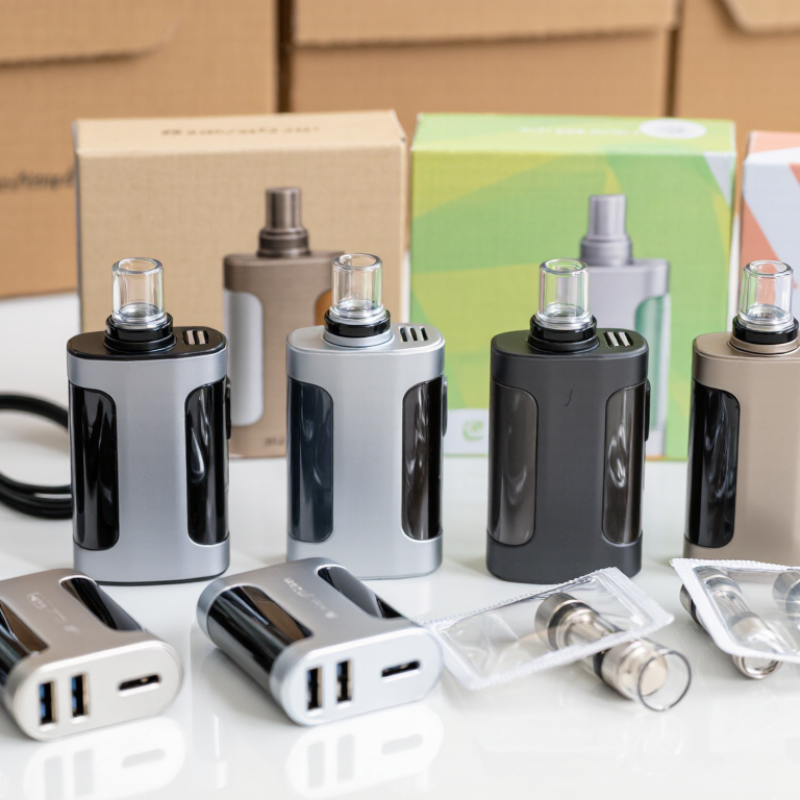
For global wholesale buyers, a China vape pod kit means more than a competitive factory price. In practical sourcing, reliable kits perform consistently across repeated samples. Each device should offer stable airflow, heating response, and battery behavior. A clear technical sheet should list materials, dimensions, charging specifications, pod capacity, and expected service life. Small details matter. A loose mouthpiece or uneven seal can create returns before the second shipment. Quality control should cover incoming materials, assembly, leak testing, charging, and final sampling. Request dated inspection records, not only attractive product photos.

Wholesale value also depends on documentation and production discipline. Suppliers should provide traceable batch numbers, user instructions, packaging data, and applicable conformity documents for each destination market. Requirements differ widely, so buyers should verify local rules with qualified advisers before ordering. Responsible products need clear labeling and age-restricted sales controls where required. Practical logistics matter too, including protective cartons, replacement pods, spare parts, and predictable lead times. From factory visits and sample comparisons, I have learned that the first sample rarely tells the full story. No checklist is perfect. A supplier may pass a bench test yet struggle during a larger run. A small pilot order can reveal inconsistent assembly, delayed replies, or packaging damage before the issue reaches major distribution channels.

Best China Vape Pod Kits for Global Wholesale Buyers

What Defines a China Vape Pod Kit for Wholesale Buyers?

For global wholesale purchasing, the most practical comparison points are battery capacity, e-liquid capacity, coil resistance, and charging performance. The chart presents representative specification ranges commonly found in rechargeable pod-kit product sheets. EU and UK markets generally limit consumer e-liquid containers to 2 mL and nicotine strength to 20 mg/mL, so market-specific compliance should always be confirmed before ordering.

How to Compare China Vape Pod Kit Types and Designs

Global wholesale buyers should compare China vape pod kit types by use case, construction, and documentation. Closed-pod designs simplify user handling but may limit flavor and hardware customization. Refillable pods offer flexibility, yet they need clear filling instructions and reliable sealing. Check pod capacity, coil resistance, airflow control, charging speed, and battery protection. A loose silicone plug can create leaks during transport. That detail matters.

Design quality should be tested beyond product photos. Request samples from several production batches, then inspect mouthpiece comfort, button response, charging ports, and pod alignment. Experienced buyers should also review material declarations, laboratory reports, factory quality procedures, and traceability records. For ODM Vape Pod Kits, confirm whether the supplier can adjust colors, packaging, firmware, and component specifications without weakening safety controls. Avoid judging a supplier by low pricing alone. I have seen attractive samples fail during repeated pocket testing, which is an inconvenient but useful warning.

Tips: Test samples after storage, shaking, and temperature changes. Compare actual battery capacity with stated figures. Ask for defect-rate data and replacement procedures. Confirm packaging meets destination-market rules, including labeling, recycling marks, age restrictions, and required warnings. Keep written specifications for every approved revision. Small changes can affect performance. Also check local regulations before ordering, because legal requirements differ between markets and may change.

Best China Vape Pod Kits for Global Wholesale Buyers - How to Compare China Vape Pod Kit Types and Designs

A practical comparison of common pod kit formats, specifications, design features, and wholesale evaluation criteria.

Pod Kit Type Typical Battery Capacity Pod or Tank Format Typical E-Liquid Capacity Coil Design Airflow and Draw Charging Features Best-Fit Buyer Segment Wholesale Advantages Main Limitations Key Evaluation Points
Closed-Pod System 300–800 mAh internal battery Pre-filled, sealed replacement pods Typically 1.5–2.0 ml under common TPD limits; larger capacities may be available in other markets Integrated non-replaceable coil Usually tight mouth-to-lung draw; fixed or lightly adjustable airflow USB-C on many modern models; basic charging protection expected New users, convenience-focused retailers, travel-oriented customers Simple user experience, low maintenance, easy retail explanation Limited flavor and nicotine flexibility; recurring pod supply is essential Pod availability, seal quality, leakage rate, shelf life, local nicotine rules
Open-Pod Refillable Kit 350–1,500 mAh internal battery Refillable pod with silicone fill port Approximately 2–5 ml, subject to destination-market regulations Replaceable or integrated coil options Mouth-to-lung to restricted direct-lung; slider or rotating airflow control is common USB-C; some models support pass-through use and battery indicators Value-conscious adult users and e-liquid retailers Broad flavor choice, lower long-term pod cost, refillable product ecosystem Requires filling and cleaning; incorrect e-liquid viscosity can cause poor performance Fill-port design, coil compatibility, replacement-part continuity, child-resistant features
Integrated-Coil Pod Kit 500–1,200 mAh internal battery Refillable pod with built-in coil Approximately 2–4 ml, depending on market requirements Non-replaceable mesh or standard integrated coil Generally smooth mouth-to-lung or restricted direct-lung draw USB-C; indicator LED or screen-based battery display may be included Users seeking simple refilling with consistent vapor output Fewer loose parts, fast pod replacement, simplified after-sales support The entire pod is discarded when the coil reaches the end of its service life Pod cost, coil lifespan, flavor consistency, condensation control, magnetic connection
Replaceable-Coil Pod Mod 1,000–3,000 mAh internal or external battery configuration Large refillable pod or pod tank Approximately 3–6 ml, subject to local regulations Replaceable mesh or conventional coil heads Wide airflow adjustment; mouth-to-lung and restricted direct-lung use USB-C, often with variable wattage and charging-status display Experienced users and specialist vape shops Longer product lifecycle, adjustable performance, stronger accessory sales potential Higher learning curve, more spare parts, greater risk of incorrect operation Wattage range, coil availability, screen durability, battery safety, regulatory labeling
High-Power Dual-Use Pod Kit 1,500–3,000 mAh internal battery or replaceable-cell design Large pod tank with high-liquid-capacity option Approximately 4–8 ml where permitted by local law High-resistance and low-resistance replaceable coil options Adjustable restricted direct-lung to direct-lung airflow USB-C; higher charging current requires verified thermal and battery protections Advanced adult users and performance-focused specialty channels High output, flexible settings, strong differentiation in specialist catalogs Larger size, higher e-liquid consumption, more complex compliance and safety review Battery certification, short-circuit protection, thermal control, coil range, packaging warnings
Compact Discreet Pod 200–700 mAh internal battery Slim refillable or closed pod Approximately 1.5–3 ml, depending on market Integrated low-to-medium power coil Tight draw designed for low vapor output USB-C or compact magnetic charging case on selected designs Portability-focused users and minimalist retail collections Lightweight, easy to display, lower material and shipping footprint Shorter runtime and smaller liquid capacity than larger pod systems Weight, pocket durability, charging reliability, pod retention, activation consistency
Screen-Equipped Smart Pod 800–2,000 mAh internal battery Refillable pod with integrated or replaceable coil Approximately 2–5 ml, according to destination-market requirements Mesh or standard coil, commonly with adjustable power Adjustable airflow with user-selectable draw characteristics USB-C; screen may show battery, wattage, resistance, puff count, or charging status Tech-oriented adult users and premium retail segments Clear operating information, adjustable output, stronger perceived product value Higher component count, larger failure surface, possible compliance concerns for puff counters Display readability, firmware stability, button quality, data privacy policy, lock function, safety protections

Wholesale Comparison Checklist

Confirm destination-market requirements before placing an order, including e-liquid capacity, nicotine limits, electrical safety documentation, battery transport rules, child-resistant packaging, labeling, recycling obligations, and applicable product registration. Actual specifications, test results, minimum order quantities, warranty terms, and lead times should be verified from the supplier's current technical documents and samples.

Which Features Matter in Global Wholesale Purchasing

Global wholesale buyers should assess more than appearance and unit price. A competitive quote means little if returns, delays, or weak documentation follow. In practical sourcing reviews, I check battery protection, charging stability, leak resistance, and transport packaging. Ask for test reports, material details, and production-control records. Independent documentation is more useful than polished product photos. Products should enter only markets where they meet local safety, age, labeling, and product requirements.

For OEM Vape Pod Kits, confirm customization limits before discussing large volumes. Request clear files for logos, colors, packaging, and device specifications. Check pod capacity, coil consistency, draw activation, airflow control, and seal quality. Small variations can create noticeable user complaints. I would sample units from different production batches, not just one showroom sample. Not every sample reveals factory reality.

Packaging is a purchasing feature, not decoration. Labels should show required warnings, batch information, storage guidance, and importer details where applicable. Translations need local review; awkward wording can delay customs or confuse customers. Compare MOQ, lead time, spare parts, carton dimensions, and replacement procedures. A low MOQ may carry higher printing or tooling costs. After-sales response also matters. A two-day reply can become a serious problem during a shipment dispute. No checklist is perfect, so buyers should record assumptions and revisit them before signing.

How to Evaluate Manufacturers, Quality, and Compliance

For global wholesale buyers, choosing the Best Vape Pod Kits starts with manufacturer evaluation. Request a complete factory profile, production address, and quality management records. Ask whether the manufacturer controls assembly, testing, and packaging in-house. Visit the facility when possible. A video tour is useful, but it cannot replace an audit. Check clean workstations, batch tracking, and trained inspection staff. Small details matter.

Quality should be tested before any large purchase. Request samples from different production batches, not only showroom units. Examine pod fit, airflow consistency, charging performance, leakage resistance, and surface finishing. Measure battery specifications against the technical sheet. Review test reports for electrical safety, materials, and chemical composition. Reports should come from credible laboratories and match the actual model. This is where many buyers become too trusting.

Compliance depends on the destination market. Confirm age-control requirements, labeling language, packaging rules, recycling duties, and import documentation before signing a contract. Ask the manufacturer for declarations, safety data, ingredient information, and traceable batch codes where required. Do not rely on a generic certificate. It may cover another product or an expired standard. Keep written records of approvals, inspections, and corrective actions. I have found that clear documentation often reveals more than polished sales presentations. A supplier may look reliable, yet still lack consistent change control. Allow time for independent verification.

What Wholesale Buyers Should Know About Pricing and MOQs

For global wholesale buyers, pricing starts with product specification, not the catalog headline. Grand View Research valued the global e-cigarette market at approximately USD 28.17 billion in 2023. Its forecast also indicates strong growth through 2030. The Global State of Tobacco Harm Reduction 2024 estimates about 114 million adult vapers worldwide. Demand exists, but purchasing conditions differ sharply by market.

A reliable Vape Pod Kits Supplier should separate device cost, pod cost, packaging, testing, and freight. Ask for a complete quotation. A unit price of USD 2.20 may exclude printed boxes, spare pods, or export documentation. Those small omissions can change the landed cost by 15% or more. Sometimes, the cheapest quote is not cheap.

MOQ deserves equal attention. A factory may offer 500 units for standard colors, but require 3,000 units for custom packaging. Confirm whether the MOQ applies per model, flavor-free configuration, color, or total order. Request samples before committing. Check battery capacity, leakage performance, charging protection, material declarations, and test reports for the destination market. Standards and restrictions vary widely, so local legal review remains essential.

Negotiate in tiers. Try 500, 1,000, and 3,000 units. Compare the price difference against storage risk and cash flow. Ask about lead time, replacement policy, payment stages, and inspection rights. I have seen buyers focus too heavily on the lowest unit price. That approach can fail when cartons arrive with inconsistent labeling. Wholesale planning is rarely perfect. Review the assumptions before signing.

How to Manage Shipping, Branding, and After-Sales Support

Best China Vape Pod Kits for Global Wholesale Buyers
Reliable wholesale begins with shipping discipline.

Confirm the destination’s import rules before discussing quantities or delivery dates. Vape products may face age restrictions, labeling rules, battery limits, or complete market bans. Ask suppliers for commercial invoices, packing lists, battery declarations, and test reports. Use cartons with clear product counts and protective inserts. A damaged pod creates more than a refund problem. It can delay customs clearance and weaken buyer confidence.

Branding should support compliance, not hide product information. Request durable printing for batch numbers, warnings, specifications, and contact details. Keep artwork simple enough for small cartons and crowded retail shelves. Check every translated phrase with a local professional. One awkward warning can create unnecessary risk.

Samples matter. Review color accuracy, button response, charging behavior, and seal quality before approving mass production. Factory photos are useful, but physical samples reveal more.

After-sales support needs a written process.

Set response times, replacement rules, spare-part availability, and evidence requirements for damaged units. A shared spreadsheet can track serial numbers, photos, complaints, and resolutions. Assign one trained contact for technical questions.

Do not promise instant refunds without investigating patterns. A small defect rate may become serious after several containers arrive.

The process will not be perfect. Review complaint data monthly, improve packaging, and adjust future orders based on evidence. Suppliers should also provide lawful disposal guidance for batteries and electronic components.

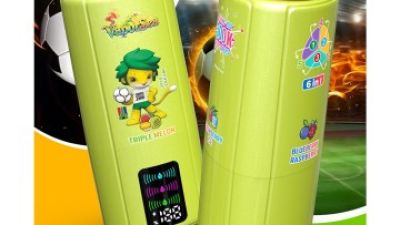
Vaporsea 300K Puffs 6-in-1 Disposable Vape: Features, Flavors, and Buying Guide

The 300K Puffs 6-in-1 disposable vape is designed for users who value extended operation and variety in one device. Its high-capacity reservoir supports an advertised 300,000 puffs, while the 650mAh rechargeable battery and Type-C charging port help maintain reliable performance between charges. A 0.6Ω triple-mesh coil system is built to produce dense vapor, smooth airflow, and a fuller sub-ohm-style flavor experience.

The six-in-one format offers multiple flavor selections in a single device, making it easier to switch between profiles without carrying several products. Available options may include fruit, beverage, mint, or blended flavor styles, depending on the specific configuration and supplier. Buyers should review the flavor list, cooling level, and ingredient information before ordering, especially when purchasing in bulk.

For retail and wholesale buyers, key considerations include verified capacity, charging performance, packaging quality, batch consistency, and dependable supplier support. Confirm whether the listed puff count is an estimated maximum, check the device’s activation method and airflow design, and ensure the product complies with applicable local regulations. Intended only for legal-age adults in permitted markets, it should be stored responsibly and purchased through authorized channels.

FAQS

What should global wholesale buyers check beyond the unit price?

Check battery protection, charging stability, leak resistance, packaging, documentation, and delivery terms.

How can buyers evaluate a manufacturer before placing a large order?

Request the factory address, production profile, quality records, and batch-control procedures.

What product details should buyers verify through samples?

Test samples from different production batches, not only showroom units.

What documents should wholesale buyers request?

Request test reports, material details, safety data, declarations, and traceable batch information.

Why is packaging an important purchasing feature?

Packaging should include required warnings, batch information, storage guidance, and importer details.

How should buyers evaluate customization requests?

Confirm customization limits for logos, colors, packaging, and device specifications.

How should buyers understand pricing and minimum order quantities?

Request separate prices for devices, pods, packaging, testing, freight, and documentation.

What compliance checks are necessary before importing these products?

Confirm local age controls, labeling rules, packaging duties, recycling requirements, and import documents.

What commercial terms should buyers negotiate before signing?

Clarify lead time, payment stages, inspection rights, spare parts, and replacement procedures.

Conclusion

This guide explains what global wholesale buyers should look for in China Vape Pod Kits, including device structure, pod formats, materials, battery options, and design flexibility. It compares common kit types by usability, durability, portability, refill or replacement systems, and suitability for different market preferences. Key purchasing factors include consistent performance, safety features, reliable manufacturing, quality-control procedures, product testing, documentation, and compliance with the regulations of the destination market.

It also outlines how to assess manufacturers through factory capability, communication, samples, production consistency, and after-sales support. Buyers will learn how pricing is influenced by specifications, order volumes, customization, packaging, and minimum order quantities. Finally, the guide covers practical planning for shipping, branding, packaging approval, spare parts, warranty policies, and clear service agreements, helping wholesale purchasers build a dependable and compliant supply process.

Ethan

Ethan

Ethan is a dedicated marketing professional at Yuanheng E-commerce (Dongguan) Co., Ltd., where he leverages his extensive knowledge of the company's products to enhance brand visibility and engage clients effectively. With a strong background in digital marketing, he continuously updates the......
Previous Why Choose a Vape Pod System for Your Business?