WARNING: This product contains Nicotine. Nicotine is an addictive chemical.
Our products are restricted to adults 21+ only.

Leave Your Message
You know, when you're on the hunt for the best compliant disposable Vape suppliers for 2026, it's tempting to just zero in on price, flavors, or puff counts. But honestly, that's not where it ends. You've got to dig into documented controls, traceable manufacturing, and understand the regulations that vary by market. Just to give you an idea, Grand View Research put the global e-cigarette market at USD 28.17 billion in 2023, and they're seeing steady growth through 2030. Sure, that growth means more suppliers to choose from, but it also brings bigger quality and compliance headaches.
So, a supplier worth their salt should hand over batch records, full ingredient lists, lab test results, and clear specs – you know, the whole package. And it's not enough to take their word for it; independent testing needs to verify things like what's actually in the aerosol, how the battery holds up, whether it leaks, and if the labeling is on point. Also, the FDA has made it clear: any electronic nicotine delivery product has to get proper regulatory approval before it can legally be sold in the US. You know, the European Commission doesn't pull any punches when it comes to the Tobacco Products Directive. I mean, they've got strict rules on everything from packaging to ingredients, plus you've got to handle all those notification duties. And honestly, the devil's in the details – those small specifics really matter.
So, if you're a buyer, you've got to do your homework—check the factory's identity, look into quality certificates, don't skip over recall procedures, and make sure they're on top of age-restricted distribution rules. Now, ISO 9001? That's a solid nod to quality management, but here's the thing: it's not a substitute for getting the product properly authorized in your local market. I feel like that's a distinction that gets missed a lot. And remember, the WHO's been pretty clear that e-cigarettes and such can expose users to some nasty stuff, so when you're vetting suppliers, you've gotta think about consumer safety first, not just the bottom line.
You know, people search for stuff like “vape chargers nicotine free vapers custom vape flavors cheap disposable vape new vape vapes 12000 puffs” – that's quite a mouthful, right? But here's the thing: just because these terms are trending doesn't mean the products are up to snuff. It's not a guarantee of compliance or quality, not by any stretch. So don't read too much into it. You know, when someone makes big claims about capacity, you've got to look at them closely, especially if there are local limits in play. This guide tries to compare suppliers, but not just on their word – we look at evidence, transparency, their testing practices, and how they communicate. Sure, some of our judgments aren't perfect, because the data that suppliers make public is often incomplete. And that's a real problem. So we think that uncertainty should be out in the open, not hidden away.
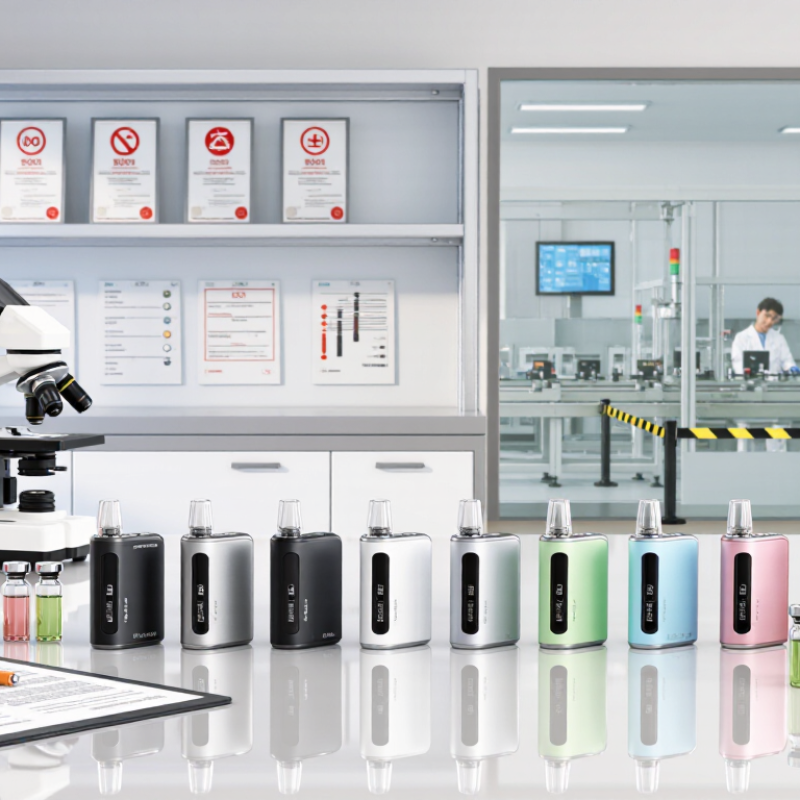
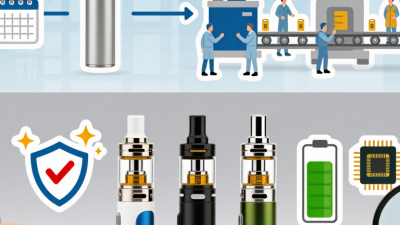
A compliant disposable vape supplier in 2026 must show more than attractive pricing. It should provide current licenses, documented quality controls, and clear market authorization. Each product needs a traceable batch number. Packaging should display required warnings, ingredient details, and age restrictions. Missing paperwork is a serious warning sign.
Independent laboratory testing should cover liquid composition, emissions, and contaminant limits. Battery safety also deserves close attention. Suppliers should share cell specifications, charging protections, transport documents, and failure-test records. Search terms such as “best electronic cigarette battery” can sound useful, but technical evidence matters more. A responsible supplier explains test methods without hiding behind marketing language.
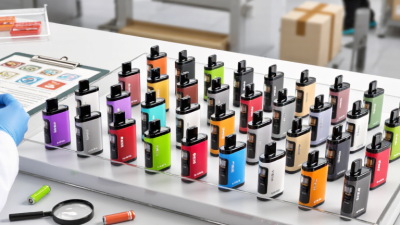
Experience helps during factory audits. Check whether staff inspect seals, airflow, labeling, and carton counts before shipment. Ask how complaints are recorded and how affected batches are isolated. For a custom disposable vape, approve artwork only after regulatory review. Keywords like beste vaporizer, best small vapers, and wholesale vape pod pen may attract buyers, but they do not prove compliance. Some suppliers look excellent online and perform poorly under inspection. That gap matters. Environmental handling should also be documented, including battery collection and waste procedures where required. Supplier records can still contain gaps, so buyers should verify dates, test laboratories, and destination-country rules before placing an order.
A 65,000-puff disposable vape is designed for users who want extended sessions without frequently replacing their device. Its rechargeable 650mAh battery supports continued use, while the compact format offers a practical option for travel, daily routines, or occasional vaping. Since actual puff counts can vary according to draw length and frequency, buyers should view the advertised capacity as an estimate rather than a guaranteed number.
Flavor performance is supported by a 0.6Ω mesh coil, which helps produce a smooth draw, clearer taste, and dense vapor. With 17 flavor selections available, users can choose between fruit-inspired, cool, sweet, or blended profiles according to their preferences. The adjustable airflow system also allows the draw to be customized, from a more open inhale with greater vapor production to a tighter feel with increased resistance.
Before purchasing, check the listed nicotine strength, ingredient information, battery specifications, and charging instructions. It is also worth confirming that the product is sealed, authentic, and sold through a reputable retailer. Buyers should consider whether the size, flavor range, airflow control, and rechargeable design match their habits, while storing the device away from heat and out of reach of children and pets.
The supplier should provide current licenses, market authorization, test reports, and traceable batch records. Missing paperwork is concerning.
Compare the model number, manufacturer, production site, batch code, and intended market. Check every date carefully. An old report proves little.
Testing should examine liquid composition, emissions, contaminants, battery safety, electrical performance, and packaging controls. The report should identify the exact product sample.
Contact the laboratory through its official website. Verify accreditation, report numbers, sample descriptions, and inspection dates. A PDF alone proves little.
Ask for cell specifications, charging protections, transport documents, and failure-test records. The supplier should explain overheating and damaged-unit procedures. Battery details matter.
Check warnings, ingredients, instructions, age restrictions, language requirements, and child-resistant features. Inspect seals and labels on delivered units, not only catalog images.
Ask whether staff inspect seals, airflow, labels, carton counts, and batch codes before shipment. Request complaint logs and recall procedures. Records may still contain gaps.
The supplier should explain battery collection, electronic-waste handling, storage, and disposal procedures required in the destination market. Rules differ widely.
Confirm destination-country rules, verify certificates, test samples independently, and keep a complete audit trail. Do not rely on one certificate. My checks can still miss details.
Choosing the best compliant Disposable Vape supplier in 2026 requires more than comparing prices or product designs. A reliable supplier should demonstrate conformity with applicable laws in each target market, maintain transparent manufacturing practices, and provide complete records for product testing, ingredient control, battery safety, emissions, and quality management. Buyers should verify that certificates and laboratory reports are current, traceable to specific product batches, and issued by qualified independent facilities.
A thorough evaluation should also cover the supplier’s production capacity, quality-control procedures, supply-chain transparency, packaging, labeling, age-related warnings, recycling information, and shipping documentation. Clear communication and consistent recordkeeping are essential for reducing compliance risks and avoiding delays. Before signing an agreement, buyers should compare suppliers according to product safety, documentation quality, audit readiness, delivery reliability, and after-sales support. Selecting a supplier that prioritizes lawful operations, responsible manufacturing, and ongoing regulatory monitoring can help ensure stable, transparent, and compliant business cooperation.